When considering the longevity of steel buildings, a crucial question arises: how long do steel buildings last? This inquiry is essential for architects, builders, and property owners alike. Steel structures have gained popularity for their durability and low maintenance needs. Yet, the actual lifespan can vary based on multiple factors, including environmental conditions, quality of materials, and design.
Many steel buildings have been known to last over 50 years, showcasing their resilience. However, this longevity depends heavily on proper installation and ongoing maintenance. Regular inspections can prevent minor issues from escalating into significant problems. Corrosion, rust, and damage from severe weather can impact a steel building’s lifespan.
Ultimately, understanding how long steel buildings last helps in making informed investment decisions. Enhancing durability through thoughtful design can yield long-term benefits. While steel buildings are generally reliable, their future hinges on attention to care and the surrounding environment. Emphasizing quality and maintenance can lead to extended lifespans, making this an important consideration for anyone in the construction industry.
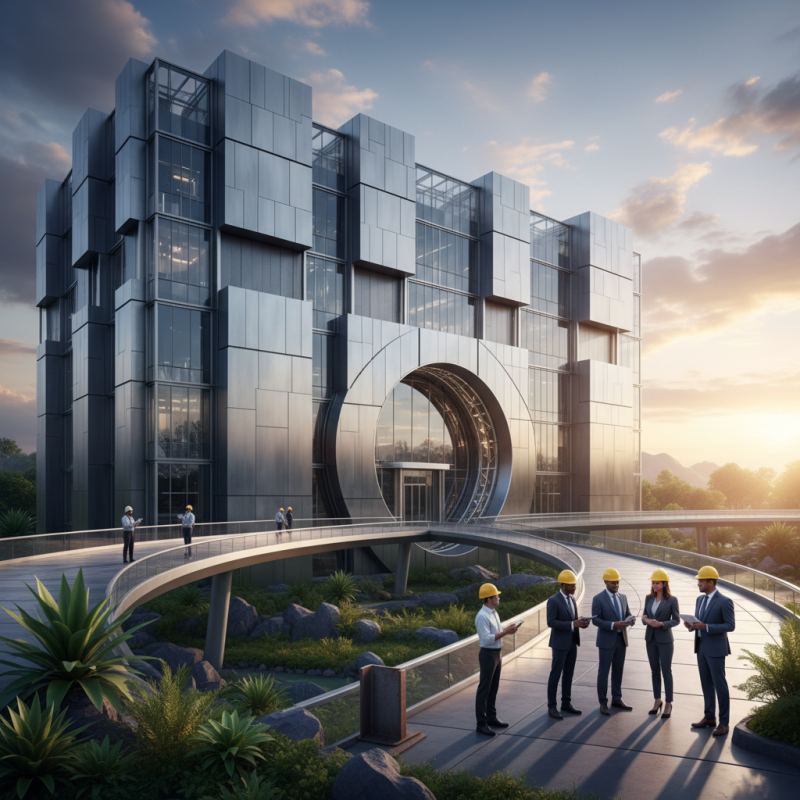
Factors Affecting the Longevity of Steel Buildings
The longevity of steel buildings depends on several factors. These structures can last for decades, sometimes up to a century. However, their lifespan is influenced by environmental conditions. Areas with high humidity or salt exposure may accelerate corrosion. Regular inspections and maintenance are crucial in extending their life.
Proper design and quality of materials play vital roles. Well-engineered buildings often withstand natural disasters better. Special coatings can protect against rust and wear. Construction practices contribute too. If done poorly, issues might arise later. Poor drainage around the foundation can lead to serious problems.
Another influencing factor is usage. Steel buildings designed for heavy loads often face more stress. Over time, this can impact structural integrity. Moreover, the owner's commitment to maintenance is essential. Neglecting repairs can lead to significant deterioration. Awareness of these factors can help maximize the lifespan of steel structures.
Average Lifespan of Steel Structures Compared to Other Materials
Steel structures are renowned for their impressive longevity. On average, they can last 40 to 60 years, depending on design and maintenance. This durability makes them ideal for various applications. In stark contrast, wood structures typically last about 20 to 30 years. Concrete buildings have a similar lifespan to steel, but may require more frequent repairs.
Maintenance plays a critical role in the lifespan of steel buildings. Regular inspections can identify corrosion or rust early. If neglected, these issues can lead to serious structural problems. This can shorten the building's life significantly. Besides, climatic conditions can affect performance. Steel exposed to harsh environments without proper coating may deteriorate faster.
Ultimately, the choice of material influences longevity. Steel stands out due to its strength and resilience. However, the upfront costs and potential for rust mean that careful planning is essential. By understanding the factors affecting lifespan, owners can make informed decisions. This ensures their investment lasts as long as possible while considering the challenges involved.
Maintenance Practices to Extend Steel Building Durability
Steel buildings are known for their durability, but proper maintenance is crucial to maximizing their longevity. Regular inspections can help identify issues before they escalate. Look for rust, loose connections, or signs of wear and tear. A study by the Steel Construction Institute noted that neglecting maintenance can reduce a steel building's lifespan by up to 30%.
Applying protective coatings is essential in maintaining steel integrity. Galvanization, for instance, can prevent corrosion. In regions with harsh weather, applying additional sealants can provide even more protection. According to industry reports, buildings that undergo regular maintenance can last upwards of 50 years, while those that don’t may deteriorate in just a couple of decades.
Maintaining proper drainage around a steel building is also vital. Water accumulation can lead to structural damage over time. Regularly cleaning gutters and ensuring proper landscaping can mitigate these risks. Furthermore, it's essential to keep records of maintenance performed. This documentation not only tracks the building's condition but can also be invaluable for future repairs or renovations.
2026 Best Steel Building Longevity - How Long Do They Last?
| Category |
Expected Lifespan (Years) |
Maintenance Frequency |
Common Issues |
Durability Practices |
| Residential Steel Buildings |
50-75 |
Annual |
Rust, Corrosion |
Regular Cleaning, Coating |
| Commercial Steel Buildings |
40-60 |
Semi-Annual |
Structural Damage, Rust |
Protective Sealants, Inspections |
| Industrial Steel Buildings |
30-50 |
Quarterly |
Mechanical Failure, Wear |
Regular Lubrication, Reinforcement |
| Agricultural Steel Buildings |
25-40 |
Bi-Annual |
Pest Infestation, Rot |
Pest Control, Ventilation |
Impact of Environmental Conditions on Steel Structure Lifespan
When considering steel building longevity, environmental conditions play a crucial role. Steel structures face various challenges, including moisture, temperature fluctuations, and exposure to corrosive elements. Each of these factors can significantly impact the lifespan of a building.
Moisture is a primary concern. Steel is susceptible to rust when exposed to high humidity levels. Regular maintenance, such as applying protective coatings, can mitigate this issue. However, not all buildings receive proper upkeep. In extreme climates, temperature changes can lead to expansion and contraction, stressing the steel. This cycle can create fractures over time, demanding careful monitoring.
Pollution and chemical exposure also affect steel. In urban areas, pollution levels can accelerate corrosion processes, particularly if the building is not adequately protected. Buildings near the coast face salt exposure, which is highly corrosive. It's vital to evaluate these conditions during the design phase.
Architects and engineers must account for local environments to enhance durability. Effective planning is essential, yet it often gets overlooked. This oversight can lead to premature failure or costly repairs down the line.
Technological Advancements Enhancing Steel Building Longevity
Technological advancements are significantly enhancing the longevity of steel buildings. Over the years, innovations in coatings and materials have emerged. Modern steel buildings benefit from advanced anti-corrosive treatments. These treatments extend the lifespan by preventing rust and deterioration. Furthermore, insulation technologies are becoming more sophisticated. Enhanced insulation not only improves energy efficiency but also protects steel from extreme temperatures.
Smart building technology is another game-changer. Sensors can monitor structural integrity in real-time. This allows for timely maintenance and repairs, which can prevent major issues down the line. With this technology, building owners can proactively address weaknesses. Transparency in these processes instills confidence for users and investors alike. However, the implementation can come with challenges. Not all buildings are equipped for such upgrades.
Additionally, while technological advancements promise durability, costs can be a concern. Investing in new technology requires careful planning and budgeting. Sustainable materials may not always be the cheapest option upfront. Thus, stakeholders must weigh long-term benefits against initial expenditures. Ultimately, the interplay between technology and longevity continues to evolve.
FAQS
: Several factors affect lifespan, including environmental conditions, design, and maintenance.
High humidity can accelerate corrosion, impacting structural integrity over time.
Inspections help identify issues early, preventing more severe damage and extending the building's lifespan.
Coatings can prevent rust and corrosion, especially in harsh weather conditions, enhancing durability.
Neglecting maintenance may reduce a building's lifespan by up to 30%, leading to serious deterioration.
Buildings designed for heavy loads face more stress, which can affect their structural integrity over time.
Water buildup around foundations can cause significant structural issues, so proper landscaping is essential.
Keeping records of inspections and repairs helps track the building's condition for future needs.
Regularly check for rust, loose connections, and wear, and apply protective measures as needed.
Yes, with proper design and care, steel buildings can last for decades, sometimes even a century.
Conclusion
The longevity of steel buildings is influenced by various factors, including construction quality and materials used. Generally, steel structures have an impressive lifespan, often outlasting traditional buildings made from wood or concrete. Research indicates that when properly maintained, steel buildings can last for several decades, with many exceeding 50 years.
To answer the common question, "how long do steel buildings last," it is essential to consider maintenance practices such as regular inspections and protective coatings, which can significantly enhance durability. Additionally, environmental conditions like humidity, temperature variations, and exposure to corrosive elements can impact the lifespan of these structures. Technological advancements in steel production and treatment continue to improve resistance to these elements, ensuring that steel buildings remain a durable and reliable option for various applications.

 PYO Homes