When considering construction options, many buyers ask: what are the advantages of steel structure buildings? Steel structures offer a range of benefits that appeal to various stakeholders. They provide unmatched durability and strength, ensuring long-lasting performance. This durability translates to reduced maintenance costs, making steel a financially wise choice.
Additionally, steel buildings are highly versatile. They can be easily customized to meet specific design needs. Whether for warehouses, offices, or residential spaces, steel adapts well to different architectural styles. This flexibility allows buyers to maximize their investment. Moreover, steel structures can be erected quickly. Faster construction timelines mean that projects can move forward without unnecessary delays.
Importantly, steel is also an eco-friendly material. It is recyclable and often made from recycled content. This aspect can attract environmentally conscious buyers. Yet, some may overlook the initial investment required for steel structures. While they are often more expensive upfront, the long-term savings and benefits often outweigh these costs. Therefore, understanding the real value of steel buildings is crucial for informed decision-making.
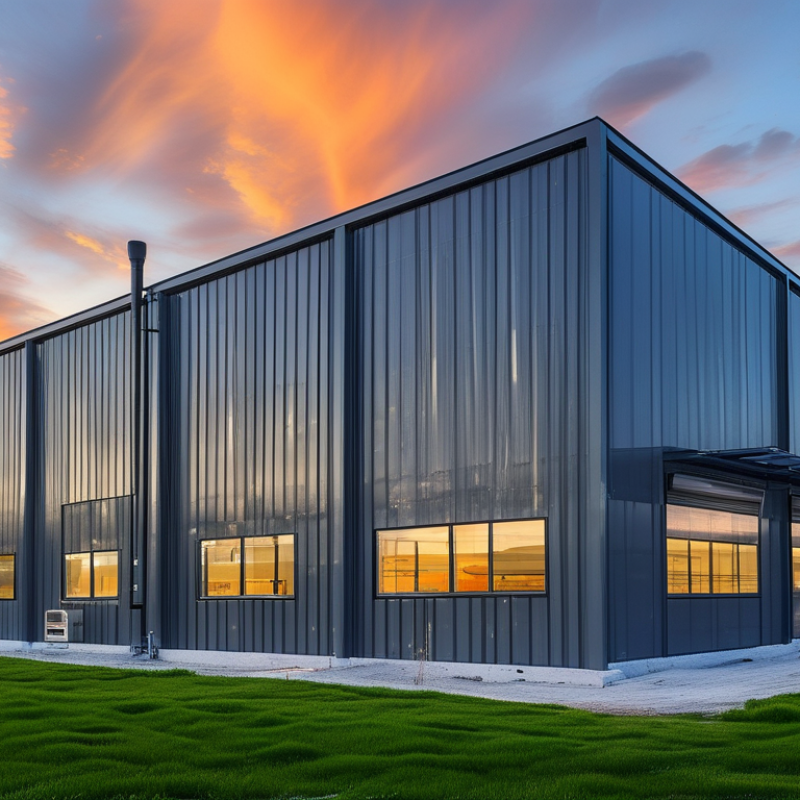
Steel structure buildings have gained significant traction in recent years, showcasing superior strength and versatility. With their ability to withstand harsh weather conditions, these buildings offer not just durability but also safety for occupants. The modern design possibilities allow for large open spaces, making them ideal for various applications, from warehouses to residential homes.
An increasing number of buyers are attracted to the efficiency of steel structures. They require less maintenance, which can lead to cost savings over time. Steel is recyclable, addressing growing environmental concerns. However, potential buyers should also consider initial construction costs, which can be higher compared to traditional materials. This factor may necessitate careful financial planning.
Despite many benefits, not all steel buildings meet high-quality standards. Buyers should conduct thorough assessments of suppliers to ensure reliability. It’s important to verify the structural integrity and compliance with local regulations. Investing in steel structures may require a steep learning curve, but the long-term value often outweighs the challenges. This evolving market continues to reshape the landscape of construction, offering exciting opportunities.
Steel structures are increasingly popular for their cost efficiency in construction. According to recent studies, steel can be up to 30% cheaper than traditional materials like wood and concrete. This difference stems from several factors, including the lower labor costs and faster construction times associated with steel buildings. The modular nature of steel enables quicker assembly, which can significantly reduce overall project timelines.
Using steel provides long-term savings. Structural steel is more durable and requires less maintenance than traditional materials. This durability leads to a lower lifetime cost. A report from the American Institute of Steel Construction indicates that steel structures have an expected lifespan of over 50 years. This longevity is crucial for buyers looking to avoid frequent repairs or replacements.
However, buyers should consider initial investment costs. Although steel can be more affordable in the long run, the upfront cost might be higher in some regions. Local market conditions play a significant role in pricing. Steel prices can fluctuate based on supply and demand. Buyers could face uncertainty when planning budgets. Ultimately, understanding these factors is essential for making informed decisions in steel construction projects.
Steel structure buildings offer
remarkable durability and integrity, making them a popular choice. In environments with
extreme weather, such as hurricanes or heavy snow, steel stands out. Research shows that
steel structures can withstand forces
up to 50% higher than traditional materials.
This resilience translates to fewer repairs and lower maintenance costs.
Corrosive environments present another challenge for building materials. However, modern steel
alloys, when coated properly, exhibit exceptional resistance against rust and degradation.
According to the American Institute of Steel Construction,
steel's lifespan can exceed 50 years,
significantly outpacing wood or concrete. This longevity allows buyers to focus on
long-term benefits rather than immediate concerns.
While the advantages are clear, it’s essential to consider the energy costs associated with
steel production. The initial carbon footprint is higher than some alternatives, prompting
ongoing discussions in the industry. Nevertheless, advancements in recycling processes mitigate
this impact. Steel can be recycled repeatedly without losing integrity. Buyers need to weigh
these factors when choosing their materials.
Steel structure buildings offer significant sustainability and environmental benefits. Steel is highly recyclable, reducing the need for raw materials. Nearly 90% of steel can be reused at the end of a building’s life. This recycling process uses less energy than producing new steel from ore. As a result, steel structures leave a smaller carbon footprint.
Additionally, steel buildings are energy efficient. They often have superior insulation, which helps regulate temperature. This can lead to lower energy consumption for heating and cooling. Incorporating natural daylight through smart design minimizes the need for artificial lighting. These features not only save money but also reduce environmental impact.
While steel has many benefits, challenges remain. The production process can emit greenhouse gases. Each building project must weigh these factors carefully. Choosing the right materials is crucial for truly sustainable construction. Overall, the environmental advantages of steel can outweigh its drawbacks when approached thoughtfully.
Steel structure buildings offer remarkable flexibility and design versatility that appeal to many buyers. Their lightweight nature allows for creative architectural solutions, accommodating various styles from industrial to modern aesthetics. According to a report by the American Institute of Steel Construction (AISC), steel structures can reduce construction time by up to 30%. This efficiency not only saves time but also can reduce labor costs.
Moreover, the adaptability of steel structures is impressive. They can easily accommodate changes in design and layout. This is particularly beneficial for businesses anticipating future expansions or modifications. The Steel Construction Institute highlights that steel's inherent strength enables long spans and open spaces without the need for many internal supports. This leads to more usable area, facilitating better functionality.
Despite these advantages, it’s essential to consider potential drawbacks. For instance, while steel offers durability, it can be susceptible to corrosion if not properly treated. This could pose long-term maintenance challenges that buyers must address. Additionally, the initial cost of steel structures can be higher than traditional materials. This financial aspect warrants thoughtful reflection for buyers looking for lasting value.
: Steel offers remarkable durability and structural integrity, especially in extreme weather. It withstands forces up to 50% more than traditional materials.
Properly maintained steel structures can exceed a lifespan of 50 years, outlasting wood and concrete significantly.
Yes, modern steel alloys can resist rust and degradation if they are coated properly, even in corrosive environments.
Steel production has a higher initial carbon footprint. However, recycling advancements help mitigate this impact.
Absolutely! Nearly 90% of steel can be reused at the end of a building's life, requiring less energy for recycling than new production.
Steel structures often have superior insulation and can incorporate natural daylight, leading to lower heating and cooling energy consumption.
Yes, the production process can emit greenhouse gases. Each project must evaluate these emissions against the benefits of using steel.
Buyers should weigh durability, maintenance costs, and environmental impact when selecting their materials to ensure a thoughtful choice.
Steel structure buildings are rapidly gaining popularity due to their numerous benefits for buyers. One of the key advantages of steel structure buildings is their cost efficiency compared to traditional materials. They offer long-term savings through reduced maintenance costs and faster construction times. Furthermore, steel's remarkable durability and structural integrity make it suitable for various environments, ensuring longevity and resilience against harsh weather conditions.
Additionally, steel structures contribute to sustainability in construction by being recyclable and requiring less energy to produce. This aligns with modern environmental concerns, making them an attractive option for eco-conscious buyers. Finally, the flexibility and design versatility offered by steel allow for innovative architectural solutions, adapting to various functional needs. In summary, when considering what are the advantages of steel structure buildings, one can find a perfect blend of economy, durability, sustainability, and design flexibility.

PYO Homes