What Certifications Are Required for Steel Buildings?

Time:2026-06-13 Author:Aria
0%

In the construction industry, understanding what certifications are required for steel buildings is vital. Experts in structural engineering highlight the importance of compliance. One such expert, Dr. Marcus Lee, states, “Certifications ensure safety and quality in steel structures, guiding builders through regulatory complexities.”

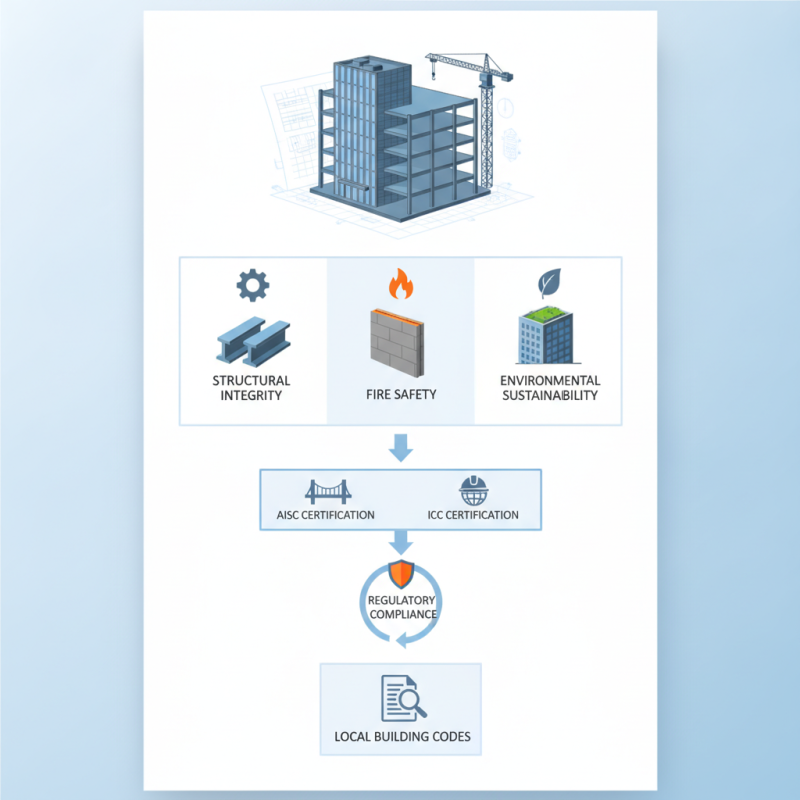
Steel buildings require various certifications to meet safety standards and building codes. These certifications may include those from organizations like the American Institute of Steel Construction (AISC) and the International Code Council (ICC). Each certification serves a specific purpose, addressing structural integrity, fire safety, and environmental sustainability.

However, navigating these requirements can be challenging. Many professionals find themselves overwhelmed by the vast array of certifications available. Additionally, some may overlook specific local regulations, leading to costly mistakes. Therefore, staying informed about what certifications are required for steel buildings is crucial for any construction project.
What Certifications Are Required for Steel Buildings?

Overview of Steel Building Certifications

Steel buildings require specific certifications to ensure safety and compliance. These certifications vary based on location and intended use. Understanding these requirements is crucial for builders and inspectors alike.

One key certification is the American Institute of Steel Construction (AISC) certification. It verifies that the steel fabricator meets high-quality standards in design and construction. Another important one is ANSI/AISC 360, which outlines the design specifications for steel structures. Adhering to these guidelines helps avoid potential structural failures.

Moreover, local building codes play a significant role. They dictate specific certifications necessary for compliance. Builders often face challenges in navigating these varied regulations. Keeping updated on local requirements is essential for successful project completion. Engaging with structural engineers can assist in identifying the right certifications needed.

Key Regulatory Bodies Involved in Steel Building Standards

In the realm of steel buildings, several key regulatory bodies shape the standards and certifications necessary for compliance. The American Institute of Steel Construction (AISC) plays a pivotal role in establishing guidelines. Their standards ensure that structures are safe and durable. The International Code Council (ICC) also contributes by developing codes that promote uniformity and safety across states.

The American Society for Testing and Materials (ASTM) sets specifications for materials used in construction. Their standards cover various aspects of steel, ensuring quality and performance. These organizations provide frameworks that inform engineers and builders throughout the construction process. Adhering to their guidelines can significantly impact project outcomes.

Tip: Always stay updated on the latest standards. Regulations can change, and missing a detail could lead to costly errors. Engaging with professional networks can provide insights into industry trends and new requirements.

Another thought to consider: not all projects may strictly require compliance certification. However, pursuing these certifications can enhance trust with clients and stakeholders. It’s vital to weigh the benefits against the investment in time and resources. Remember, a commitment to quality can define a successful project.

Required Certifications for Structural Integrity in Steel Construction

In the realm of steel construction, ensuring structural integrity is paramount. Certifications play a critical role in this process. They verify that the materials and construction methods meet strict safety standards. Typically, certified professionals assess these components. They evaluate not just the quality of steel but also how it behaves under stress.

When seeking certifications, focus on the relevant codes. The American Institute of Steel Construction (AISC) offers guidelines that are key. Compliance with these standards helps ensure safety. It's essential to hire experienced personnel who are familiar with these requirements. Without expert insight, important factors can be overlooked.

Tips for navigating certification processes include keeping detailed records of all inspections. This documentation is invaluable during audits. Regular training for your team on code updates is also beneficial. Knowledge gaps can lead to errors in compliance. Always be open to feedback on your processes, as this promotes improvement. This willingness to adapt is crucial in maintaining high standards in steel construction.

Additional Safety Certifications for Steel Building Projects

When it comes to steel buildings, safety certifications play a crucial role. These certifications ensure the structure's integrity and compliance with safety standards. The American Institute of Steel Construction (AISC) reports that certified fabricators follow stringent guidelines. This enhances the reliability of steel structures in various applications.

Beyond basic certification, additional safety certifications are often mandated. The Occupational Safety and Health Administration (OSHA) emphasizes safety training for workers involved in steel construction. Compliance with OSHA standards is essential. A recent survey indicated that projects adhering to these safety measures saw a 30% reduction in workplace accidents. This statistic highlights the importance of proper safety protocols.

Moreover, other certifications like LEED (Leadership in Energy and Environmental Design) can be necessary for green building projects. Achieving LEED certification requires adherence to specific environmental guidelines. In the long run, sustainability measures lead to lower energy costs and increased marketability. However, navigating the certification process can be complex. Many firms struggle with keeping up to date. This often leads to missed opportunities for funding and incentives.

What Certifications Are Required for Steel Buildings? - Additional Safety Certifications for Steel Building Projects

Certification Purpose Issued By Validity Period
AISC Certification Quality assurance for steel fabricators American Institute of Steel Construction 3 years
AWS Certification Welder qualification and quality control American Welding Society Variable depending on certification
OSHA Compliance Workplace safety regulations Occupational Safety and Health Administration Ongoing, requires periodic audits
LEED Certification Sustainable building practices U.S. Green Building Council Ongoing, requires renewal
ISO 9001 Certification Quality management systems International Organization for Standardization 3 years

Environmental Certifications Relevant to Steel Buildings

Environmental certifications are essential in the construction of steel buildings. These certifications ensure that structures are built sustainably, minimizing their impact on the environment. Several recognized certifications focus on sustainability practices, energy efficiency, and responsible sourcing.

One notable certification is LEED (Leadership in Energy and Environmental Design). This system promotes energy efficiency and sustainable building practices. Another important certification is the ISO 14001, which sets standards for effective environmental management systems. It helps organizations improve their environmental performance and comply with regulatory requirements.

However, achieving these certifications can be challenging. Many companies struggle to keep up with the stringent requirements. It's easy to overlook vital aspects of sustainability in the rush to complete projects. This complexity calls for continuous education and awareness in the industry. Environmental certifications are not just checkboxes; they reflect a commitment to healthier buildings and communities.

FAQS

: What is the role of certifications in steel construction?

: Certifications verify that materials and methods meet safety standards. They ensure structural integrity.

Why is it important to hire experienced professionals for certifications?

Experienced personnel understand relevant codes. They prevent overlooked factors that affect safety.

How can documentation help during audits?

Keeping detailed records of inspections is invaluable. It provides evidence of compliance with safety standards.

What training is important for teams in steel construction?

Regular training on code updates is essential. Knowledge gaps can lead to compliance errors.

How do additional safety certifications impact projects?

They enhance structural reliability and compliance. Adhering to safety measures reduces workplace accidents significantly.

What is LEED certification and its benefits?

LEED certification focuses on environmental guidelines. It leads to lower energy costs and improved marketability.

How can firms struggle with the certification process?

Many firms find it complex to stay updated. This can result in missed funding opportunities.

What is the significance of feedback in certification processes?

Being open to feedback fosters improvement. It helps maintain high safety standards in projects.

What consequences can arise from neglecting safety standards?

Ignoring safety standards can lead to injuries. This highlights the need for proper compliance measures.

Are there common mistakes made during certification?

Many overlook the importance of ongoing training. This can complicate adherence to safety regulations.

Conclusion

When exploring what certifications are required for steel buildings, it's essential to understand the various standards and regulations governing this industry. The overview of steel building certifications outlines the importance of these credentials in ensuring structural integrity and safety. Key regulatory bodies, such as the American Institute of Steel Construction (AISC) and the International Code Council (ICC), play a significant role in developing and enforcing these standards.

To ensure structural integrity in steel construction, certifications such as the AISC certification for steel fabricators and erectors are vital. Additionally, safety certifications, including those focused on worker safety and health practices, are crucial for steel building projects. Environmental certifications, such as those targeting sustainability in construction, also play a key role in modern steel building practices. Understanding these various certifications is crucial for stakeholders in the steel construction industry to assure quality and compliance.

Aria

Aria

Aria is a dedicated marketing professional with a deep passion for innovative strategies and a keen understanding of our company's product offerings. With a wealth of experience in the industry, Aria excels at crafting engaging content that highlights the unique features and benefits of our......