When considering a steel structure building, many ask, "how much does a steel structure building cost?" The cost can vary significantly based on several factors, including size, design, and location. According to a recent report from the Steel Construction Institute, the average cost for a steel building ranges from $15 to $30 per square foot. This figure includes materials, labor, and other associated expenses.
In addition to the basic costs, there are other considerations. For instance, local labor rates can fluctuate widely. A building in an urban area may incur higher costs than one in a rural setting. Furthermore, design complexities can drive prices up. Reports indicate that intricate designs can add 10% to 20% to the overall budget.
Estimating costs without considering all variables can lead to budget overruns. It is vital to consult with industry professionals for accurate assessments. Proper planning and understanding of the market can yield significant savings. Ultimately, determining the cost of a steel structure building requires thorough research and expert advice.
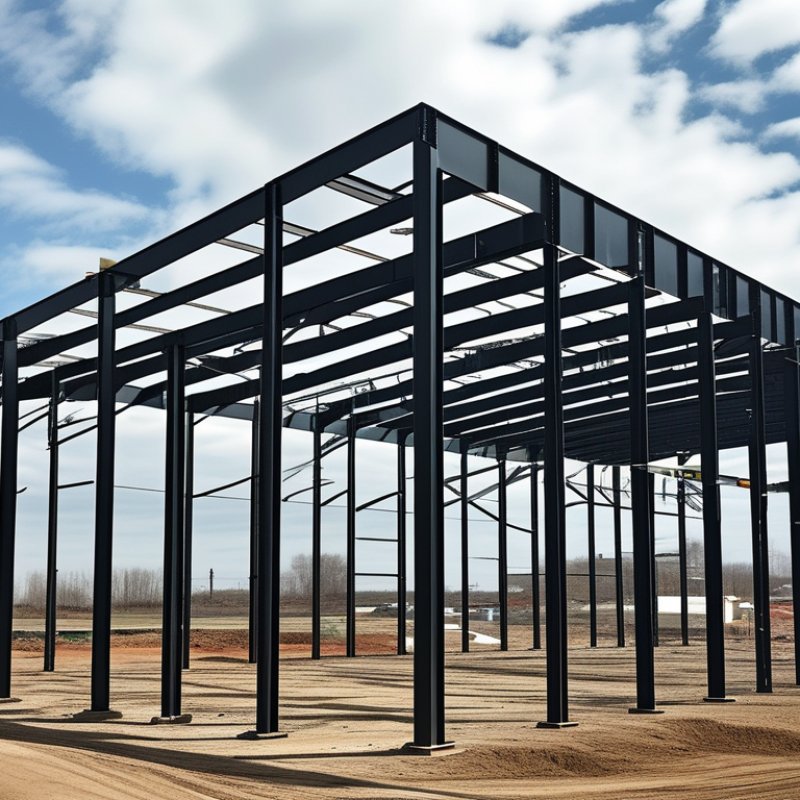
When determining the cost of a steel structure building, several factors come into play. One key element is material costs. According to the Steel Market Development Institute, the price of steel fluctuates with global demand. In recent years, the average price of steel per ton has risen significantly, impacting overall project budgets.
Labor costs also significantly influence pricing. The National Association of Home Builders reports that skilled labor shortages have led to increased wages. This surge can raise expenses, particularly for complex structures that require specialized expertise. Construction timelines may stretch as companies search for qualified workers.
Tips: Always request multiple quotes from contractors. This will help you gauge average labor costs. Monitor steel prices regularly. Use online resources to track market trends.
In contrast, intricate designs can push prices higher. Building codes and site conditions should not be overlooked. Local regulations may necessitate additional materials or processes, further affecting costs.
Tips: Consult with an architect early in the design phase. They can provide insights into cost-effective choices. Consider modular construction for efficiency. This method can reduce time and potentially lower labor costs.
When estimating material costs for steel structures, several factors come into play. The price of steel fluctuates based on market demands and tariffs. Obtaining current quotes from suppliers is essential. This task requires time and diligence. It can be a challenge for those new to construction projects.
Another critical component is assessing the type of steel needed. Structural steel comes in various grades, each with different properties and costs. Understanding these specifics can be tricky. Consulting with a structural engineer can provide clarity. They can help you choose the right materials for durability and safety, even if it means spending more upfront.
Estimating the amount of steel required is not straightforward. Miscalculations can lead to cost overruns. It’s vital to account for waste during cutting and fabrication. This factor is often overlooked but crucial for accurate budgeting. Careful planning ensures that the project stays on track and within budget.
Labor costs play a significant role in the overall expenses of steel construction. Skilled labor is essential for precise installation and assembly of steel structures. Workers must understand the complexities of the materials and methods involved. This expertise can drive up costs, but it enhances safety and quality. Labor wages can vary based on location, project size, and worker experience.
Estimating labor costs requires detailed planning. Project managers must account for the number of workers needed and the duration of the project. Each aspect of labor should be evaluated, from welding to quality inspections. Unexpected delays or accidents can lead to increased costs. Overlooked variables, like site conditions or weather, may also impact labor efficiency.
Choosing the right construction team is crucial. A reputable team can save time and ensure adherence to safety standards. It is important to analyze their past projects and client feedback. However, sometimes a less experienced team may offer lower rates. This can lead to challenges that increase costs in the long run. Proper research and planning help in making informed decisions about labor for steel structure projects.
| Task | Estimated Hours | Hourly Rate ($) | Total Cost ($) |
|---|---|---|---|
| Site Preparation | 40 | 25 | 1000 |
| Foundation Work | 60 | 30 | 1800 |
| Steel Erecting | 80 | 35 | 2800 |
| Welding and Connections | 50 | 32 | 1600 |
| Roof Installation | 35 | 28 | 980 |
| Total Estimate | $ 8,160 |
When estimating expenses for a steel structure project, it’s essential to consider multiple factors beyond the basic materials. Labor costs can fluctuate, depending on the region and the workforce's skill level. Skilled labor tends to be more expensive but often ensures higher quality work. Misestimating this can lead to complications later in the project.
Furthermore, site preparation should not be overlooked. Clearing and leveling the land may involve additional costs. If the site requires special equipment or permits, these expenses can quickly add up. Unexpected delays, like weather conditions, can also impact costs, leading to more labor hours and material waste. It's crucial to anticipate such issues and include a buffer in your budget.
Insurance and compliance with safety regulations present further financial considerations. Non-compliance can halt a project, leading to unexpected costs. Engage with experts to navigate these complexities. Achieving an accurate project budget necessitates thorough research and contingency planning, thinking beyond merely material and labor costs.
Cost-saving strategies are essential when planning a steel structure building. According to industry reports, steel prices fluctuate significantly based on global demand and supply. Using recycled steel can reduce costs by approximately 20%. This not only lowers material expenses but also promotes sustainability, which is increasingly critical for modern construction projects.
Design efficiency can also affect overall costs. Simple designs require less steel and reduce labor costs. A study by the American Institute of Steel Construction highlighted that streamlined designs could save 15% on labor expenses. Choosing prefabricated components may shorten construction time, which translates into savings on labor and overhead costs.
Additionally, proper planning prevents costly modifications later. Engaging with experienced engineers early in the process is vital. They can help identify potential issues before construction begins. Investing time in planning may seem tedious but can lead to significant long-term savings.
: Material costs and labor costs are key factors. Design complexity and site conditions also play a role.
The price of steel changes with global demand. Monitoring steel prices regularly is vital.
Skilled labor shortages have driven up wages, leading to higher construction costs.
Obtain current quotes from suppliers. It's critical to assess the steel grade needed for your project.
Consider site preparation, insurance, and compliance costs. Unexpected delays can also raise expenses.
Hiring skilled labor can ensure better quality work, but it may raise overall costs significantly.
Misestimations can lead to cost overruns, so account for waste during the cutting and fabrication process.
Local regulations can require extra materials or processes, impacting the overall budget.
Include a buffer in your budget for potential delays like weather-related issues.
Yes, consulting an architect or engineer can lead to cost-effective choices and improve project efficiency.
Determining how much does a steel structure building cost involves several key factors. The primary influences include the material costs associated with steel, which can fluctuate based on market conditions, as well as the specific type and quantity of steel required for the project. Labor costs also play a significant role, as skilled labor is essential for the precise assembly and installation of steel structures.
In addition to these core expenses, other costs may arise, such as permits, site preparation, and transportation of materials, which should be factored into the overall budget. To manage expenses effectively, implementing cost-saving strategies, like efficient design planning and choosing the right suppliers, can significantly reduce the total investment needed for a steel building project.
PYO Homes