How Fast Can Steel Structures Be Built for Global Projects?

Time:2026-05-13 Author:Oliver
0%

In the realm of construction, the speed of steel structure building is a hot topic. Industries worldwide seek efficiency in project timelines. Designers and engineers continually push boundaries to figure out how fast can steel structures be constructed. Innovations in technology have revolutionized approaches. Prefabrication and modular techniques can often speed up construction processes.

However, questions remain. Are these methods universally applicable? Do they meet local regulations and safety standards? Each project is unique, presenting challenges that skilled professionals must navigate. Balancing speed and quality is vital. Clients are eager for faster turnaround without compromising safety or structural integrity.

As we explore this topic, let’s consider various factors: materials, labor skillsets, and logistics. Local conditions can also affect construction speed. The quest for rapid construction is ongoing, filled with both achievements and hurdles. Understanding these dynamics is essential for future advancements in steel structure projects.
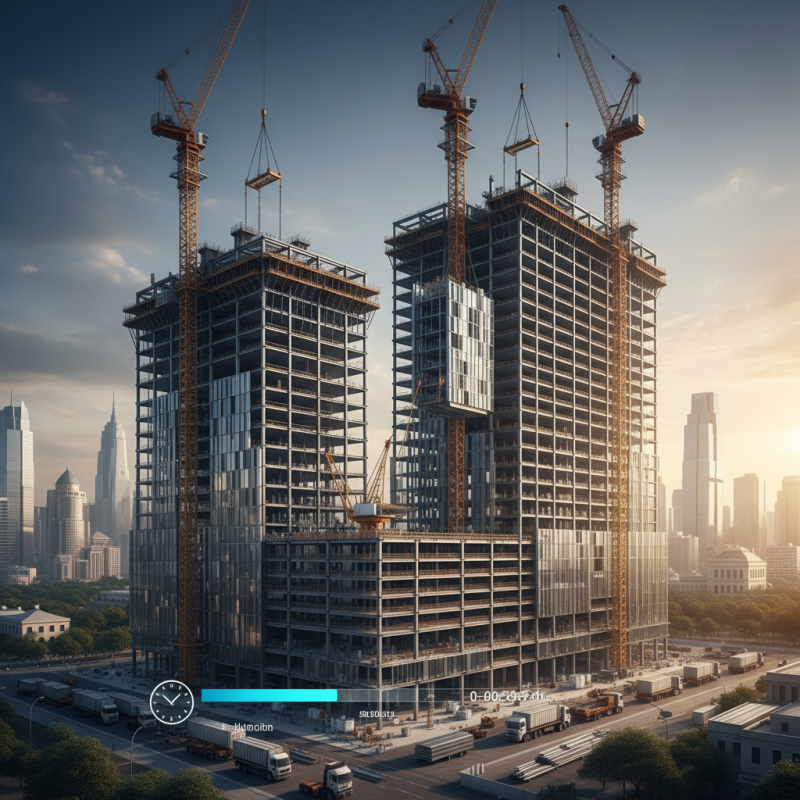
How Fast Can Steel Structures Be Built for Global Projects?

The Evolution of Steel Construction Techniques in Global Projects

The world of steel construction has transformed significantly over the years. Advanced techniques have emerged, enabling quicker project timelines while still ensuring quality. Pre-fabrication plays a critical role in this evolution. Components can be manufactured off-site and assembled quickly at the location. This method reduces the overall construction time considerably. However, this approach may lead to complications in logistics and coordination.

Moreover, innovations like modular construction have gained traction. This technique allows for sections of structures to be built as independent modules. These can be transported and assembled efficiently. It encourages faster project delivery, but may challenge traditional building practices. It's crucial to balance speed and craftsmanship. Not every project can adapt to these new methods seamlessly.

Sustainability is another area where steel construction is evolving. In recent years, there is a growing emphasis on using recycled materials. Still, this shift requires a significant mindset change in the industry. Many professionals face hurdles in embracing this new direction. As the field continues to change, ongoing reflection on these practices will be necessary for future success.

Factors Influencing the Speed of Steel Structure Fabrication

The speed of steel structure fabrication hinges on several crucial factors. Project planning plays a pivotal role. A well-defined timeline and scope can accelerate construction. Conversely, vague goals can delay progress. Effective communication among teams is essential. Miscommunication often leads to errors and rework. This slows down the entire process.

Material availability is another significant factor. Supply chain disruptions can stall projects. Geographical location can complicate logistics. Access to quality steel is vital. Shortages result in delays and increased costs. Skilled labor is equally important. A lack of trained professionals can hinder fabrication. Continuous training and skill development are necessary. Many projects face this challenge but overlook it.

Technological advancements have revolutionized steel construction. Automation and computer-aided design enhance speed and precision. However, reliance on technology requires careful consideration. Not all teams adapt quickly to new tools. Balancing tradition and innovation is key. Each project is unique and presents its own challenges. Understanding these nuances can lead to better outcomes in fabrication speed.

Steel Structure Fabrication Speed Comparison by Region

This chart illustrates the average number of days required for steel structure fabrication across different regions. Asia shows the fastest average completion time, while Africa tends to take the longest, reflecting variations in local manufacturing capabilities and logistical factors.

Innovative Technologies Accelerating Steel Structure Assembly

Innovative technologies are revolutionizing the assembly process of steel structures. The focus on efficiency means projects can now see significant reductions in construction time. A report from the International Association for Bridge and Structural Engineers indicates that modular construction techniques can cut assembly time by up to 30%. These methods allow prefabricated components to be constructed off-site and delivered ready for assembly.

Robotics is also playing a crucial role in this evolution. Advanced robotic systems can perform tasks such as welding and inspection with high precision. According to research, these robots increase task speed by up to 50% compared to manual methods. This speed comes with challenges; ensuring proper quality control is paramount. Mistakes can lead to costly delays.

Another noteworthy advancement is the use of Building Information Modeling (BIM). This technology allows for detailed visualization of steel structures before construction starts. A study by McKinsey & Company shows that using BIM can enhance collaboration and reduce rework by 20%. However, the adoption rate of BIM varies widely across regions. Not all teams are fully trained to leverage these digital tools. Balancing speed and quality remains critical in steel structure assembly.

Comparative Analysis of Project Timelines in Different Regions

In the fast-paced world of construction, project timelines can vary significantly across different regions. Countries with advanced technologies and skilled labor often achieve faster completion rates. For instance, efficiency in regions like East Asia can result in shorter timelines. In contrast, projects in developing areas may face delays due to limited resources and expertise.

Weather conditions also play a role. Harsh climates can slow down construction activities. Additionally, regulatory hurdles may extend timelines. In places with complex permitting processes, projects can see significant lags. This inconsistency raises questions about best practices and optimal approaches.

Cultural aspects contribute to these differences as well. In areas where collaboration is prioritized, steel structures can be erected swiftly. Yet, in regions resistant to change, slow adoption of new methods can occur. Understanding these factors is crucial in fostering a more efficient global construction landscape. Each project offers lessons that can enhance future endeavors through reflection and adaptation.

Case Studies of Rapid Steel Construction in Notable Global Projects

Rapid steel construction has transformed the architecture landscape globally. Case studies show that major projects benefit from this approach. Fast-built steel structures increase efficiency and reduce costs. In one instance, a stadium was completed in just a few months. This impressive feat was achieved through prefabricated steel components that simplified on-site assembly. Such methods are not only time-efficient but also enhance safety.

Another notable project involved a high-rise office building. Utilizing modular construction, teams installed entire sections of the structure in mere weeks. This method allowed for real-time adjustments during the build, a crucial factor in preventing delays. However, this rapid pace often raises concerns about quality and oversight. It is essential to have rigorous quality control to maintain safety standards.

While rapid construction offers clear benefits, it also presents challenges. Each project requires careful planning and coordination. Missteps can lead to costly delays and rework. Ensuring that all teams are aligned is vital. As we explore more global projects, understanding these complexities is crucial for future success. The balance between speed and quality remains a conversation worth having in the industry.

How Fast Can Steel Structures Be Built for Global Projects?

Project Name Location Construction Time (Months) Total Area (sqm) Height (meters)
Sky Tower Auckland, New Zealand 12 5000 328
The Shard London, UK 27 69,000 310
Burj Khalifa Dubai, UAE 60 309,473 828
Taipei 101 Taipei, Taiwan 5 412,500 508
One World Trade Center New York, USA 8 325,279 541

FAQS

: What are the key advancements in steel construction techniques?

: Steel construction has improved with advanced techniques. Prefabrication and modular construction have emerged to speed up processes.

How does prefabrication benefit construction projects?

Prefabrication allows components to be made off-site. This significantly reduces overall construction time but complicates logistics.

What challenges does modular construction face?

Modular construction encourages fast project delivery. However, it may conflict with traditional practices and is not always easy to adopt.

Why is sustainability important in steel construction?

There is a growing focus on using recycled materials. This shift requires a change in mindset among industry professionals.

How do project timelines vary across different regions?

Projects can be completed faster in advanced regions. In developing areas, limited resources often lead to delays.

What impact do weather conditions have on construction?

Harsh weather can slow construction activities. It's a significant factor in project timelines that should not be overlooked.

How do cultural aspects influence construction speed?

Collaborative cultures can facilitate swift steel structure erection. Resistance to change can slow down the adoption of new methods.

Is there a balance between speed and craftsmanship in construction?

Yes, speed must be balanced with quality. Not all projects can accommodate rapid methods without risking quality.

What is essential for understanding project delays?

Analyzing regulatory hurdles and cultural factors is crucial. Each project can teach valuable lessons for future construction efforts.

How can reflection benefit future construction projects?

Ongoing reflection on practices can enhance efficiency. Learning from past experiences is vital for successful future projects.

Conclusion

The article "How Fast Can Steel Structures Be Built for Global Projects?" explores the rapid advancements in steel construction techniques that have transformed project timelines worldwide. It delves into various factors that influence the speed of steel structure fabrication, including material innovations and labor efficiency. Innovative technologies, such as prefabrication and modular construction, are highlighted as key drivers that significantly enhance the speed of assembly.

Furthermore, a comparative analysis of project timelines across different regions reveals diverse approaches to rapid steel construction. Through several case studies, the article underscores notable global projects that exemplify how fast steel structures can be constructed, showcasing the potential for timely project delivery while maintaining high standards of quality and safety.

Oliver

Oliver

Oliver is a seasoned marketing professional with a wealth of expertise in driving brand awareness and engagement. With a deep understanding of our company's product offerings, he consistently delivers high-quality content that enriches our professional blog. His insights not only shed light on......