In the world of construction, the question of "how to improve durability of steel structures" is crucial. Expert Dr. John Anderson, a leading structural engineer, emphasizes, "Durability starts with better materials and design considerations." Steel structures face numerous challenges, including corrosion and fatigue. Addressing these issues early can enhance longevity.
Innovative coatings and corrosion-resistant alloys are vital in modern construction. They can protect against environmental wear. Regular maintenance practices also play a significant role. By inspecting and repairing structures proactively, we can extend their lifespan. However, industry standards often lag behind technological advancements.
Reflecting on past projects reveals that many structures failed due to inadequate durability planning. This serves as a reminder of the importance of integrating durability into initial design phases. As we strive for improved construction practices, we must continuously seek methods to enhance the durability of our steel structures. Only then can we ensure their longevity and reliability in the years to come.
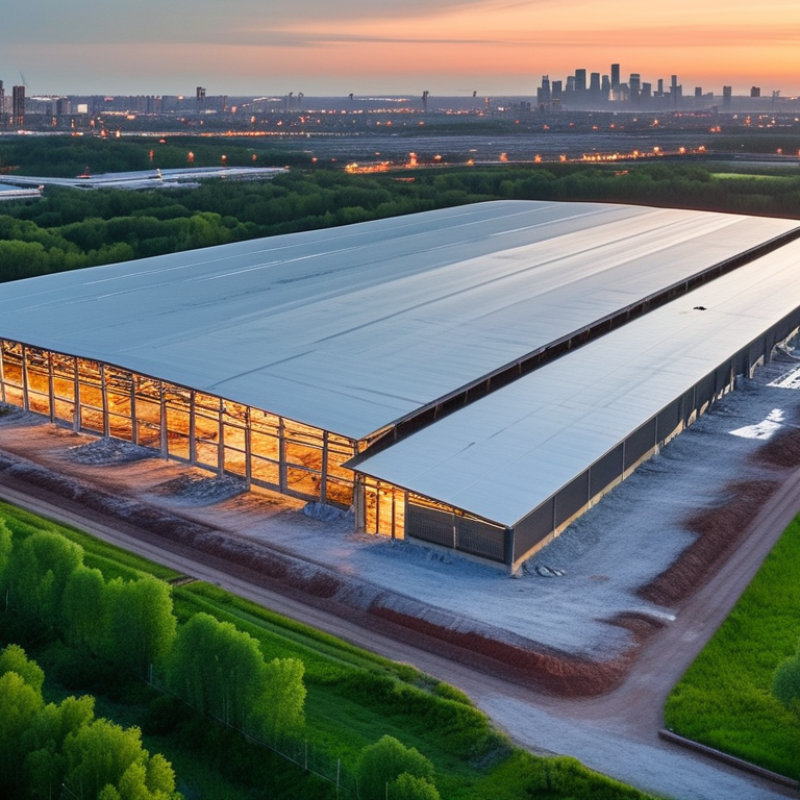
The durability of steel structures hinges on several contributing factors. Climate plays a critical role. For example, exposure to moisture can lead to rust. High humidity environments require additional protective measures. These may include using corrosion-resistant coatings or regularly applying protective sealants.
Another crucial factor is the quality of materials used. High-quality steel can withstand environmental stress better than inferior alternatives. Design also matters. Structures should be engineered to accommodate potential loads and environmental conditions. Inadequate design can lead to premature failure.
Maintenance routines are often overlooked. Regular inspections and timely repairs can extend the life of steel structures. It's easy to ignore minor issues, but they can escalate. Reflecting on these aspects can yield insights for better durability. Implementing improvements may require thoughtful investment and planning.
Steel structures face numerous challenges that can lead to degradation and damage. Corrosion is a significant factor. It occurs when steel reacts with moisture and other elements in the environment. This interaction leads to rust, which weakens the structure. Regular inspections can help identify early signs of corrosion. Protective coatings and treatments are essential to combat this issue.
Another common cause of damage is fatigue. Over time, repeated stress can create small cracks in the steel. These cracks may not be visible at first. However, they can expand and cause structural failure. Using high-quality materials and adhering to design specifications can reduce the risk of fatigue.
Environmental factors also play a role in steel structure degradation. Extreme temperatures, humidity, and pollution can accelerate wear and tear. Areas near coastlines are particularly vulnerable to salt exposure. This salt can increase the corrosion rate significantly. Addressing these environmental concerns with proper design and maintenance is crucial for enhancing longevity. Regular assessments and proactive measures are vital for sustaining steel structures over time.
Corrosion is a major challenge for steel structures. According to the National Association of Corrosion Engineers, corrosion costs the U.S. economy approximately $276 billion each year. Implementing effective corrosion resistance techniques is essential for enhancing the durability and longevity of steel construction.
One effective technique is the application of protective coatings. Epoxy and polyurethane coatings provide a barrier against moisture and chemicals, significantly reducing the risk of corrosion. Studies have shown that properly coated steel can last up to 50% longer than uncoated steel in harsh environments. Additionally, cathodic protection methods, which involve the use of sacrificial anodes or impressed current systems, can further extend the lifespan of steel structures by preventing electrochemical reactions that cause rust.
Monitoring and maintenance are equally important. Regular inspections can help identify early signs of corrosion. According to the American Society of Civil Engineers, nearly 20% of metal structures experience significant corrosion damage that could have been prevented with timely maintenance. Investing in innovative corrosion detection technologies can offer cost-effective solutions to maintain structural integrity over time. Superficially maintaining appearance is not enough; proactive measures may determine long-term success.
Regular maintenance and inspection are vital for ensuring the longevity of steel structures. These practices help detect potential issues before they escalate into larger problems. Early identification can save costs and enhance safety. Inspections should be performed routinely, focusing on high-stress areas and joints. Trained professionals are essential for accurate assessments.
Tips for effective inspections include using drones for hard-to-reach areas. This technology minimizes safety risks for workers. Also, documenting findings meticulously helps track the condition over time. Structural health monitoring systems can provide real-time data, alerting teams to any abnormal activities.
Corrosion is a common challenge for steel structures. Regularly inspect for signs of rust, especially in coastal or industrial environments. Implement protective coatings to extend the life of the steel. Sometimes, overlooked areas can lead to significant damage. Encourage a culture of responsibility among maintenance teams. Every small detail counts when it comes to structural integrity.
Innovative materials and technologies are reshaping the way we think about steel structures.
Advanced coatings, for instance, are pivotal in enhancing steel’s resistance to corrosion.
These protective layers can significantly prolong the lifespan of steel, ensuring that structures remain robust over time.
Integrating self-healing materials can address wear and tear, allowing the structure to mend itself.
This reduces maintenance costs and downtime.
Moreover, the incorporation of smart technologies plays a crucial role.
Sensors can monitor structural integrity continuously, providing real-time data on stress and corrosion levels.
This proactive approach helps identify potential issues before they become significant.
However, the reliance on technology raises questions about cost-effectiveness and long-term sustainability.
While innovations exist, not all may fit every application or budget.
Sustainable practices are also gaining traction. Using recycled steel reduces environmental impact and promotes longevity.
However, this approach may require adjustments in fabrication processes and design standards.
Balancing innovation with practicality is essential. Through thoughtful application of these materials and technologies,
the durability of steel structures can be improved, paving the way for more resilient infrastructure.
: Corrosion is a major cause. It happens when steel reacts with moisture and elements in the environment.
Protective coatings, like epoxy, create barriers against moisture, reducing corrosion risk significantly. Regular inspections help detect early signs of corrosion.
Fatigue is caused by repeated stress creating small cracks that may expand and lead to structural failure over time.
Extreme temperatures, humidity, and pollution accelerate wear. Coastal areas are especially vulnerable due to salt exposure.
Advanced coatings and self-healing materials can enhance resistance to corrosion and reduce maintenance costs, but practicality matters.
Smart sensors monitor structural integrity, providing real-time data on stress and corrosion levels to catch potential issues early.
Nearly 20% of metal structures have significant corrosion that could be prevented with timely maintenance.
No, superficial maintenance is insufficient. Proactive measures are key for long-term success and structural integrity.
Using recycled steel reduces environmental impact, but may require changes in fabrication processes and design standards.
Not every innovative solution fits every application or budget. Balancing innovation with practical considerations is essential.
To address how to improve durability of steel structures, it is essential to first understand the various factors that contribute to their longevity. Key causes of steel degradation include corrosion, fatigue, and environmental exposures, which can lead to significant damage over time. By implementing effective techniques for corrosion resistance, such as protective coatings and cathodic protection, the lifespan of these structures can be significantly extended.
Regular maintenance and inspection are also vital best practices that help identify early signs of wear and ensure timely repairs, thereby preventing further deterioration. Additionally, advancements in innovative materials and technologies present new opportunities to enhance the overall durability of steel structures. By combining these strategies, engineers and architects can effectively improve the durability of steel structures, ensuring they remain safe and functional for many years.

PYO Homes