10 Reasons Steel Structures Are Safe in Extreme Weather?

Time:2026-04-29 Author:Sienna
0%

When exploring whether steel structures are safe in extreme weather, it is important to consider various factors. Steel has long been recognized for its durability and strength. These properties make it a popular choice in construction, especially in regions prone to harsh conditions.

Structural engineers emphasize that steel's resistance to high winds and heavy snow loads contributes to its safety. The design flexibility allows for structures that can withstand seismic activity. Although no material is entirely immune to failure, steel's performance has been reliable throughout history.

Some might question, are steel structures safe in extreme weather? While challenges exist, ongoing advancements in engineering continuously improve safety standards. Each design should be evaluated on its merits, ensuring that it meets specific environmental needs. Reflecting on past failures can guide future improvements, leading to safer structures.
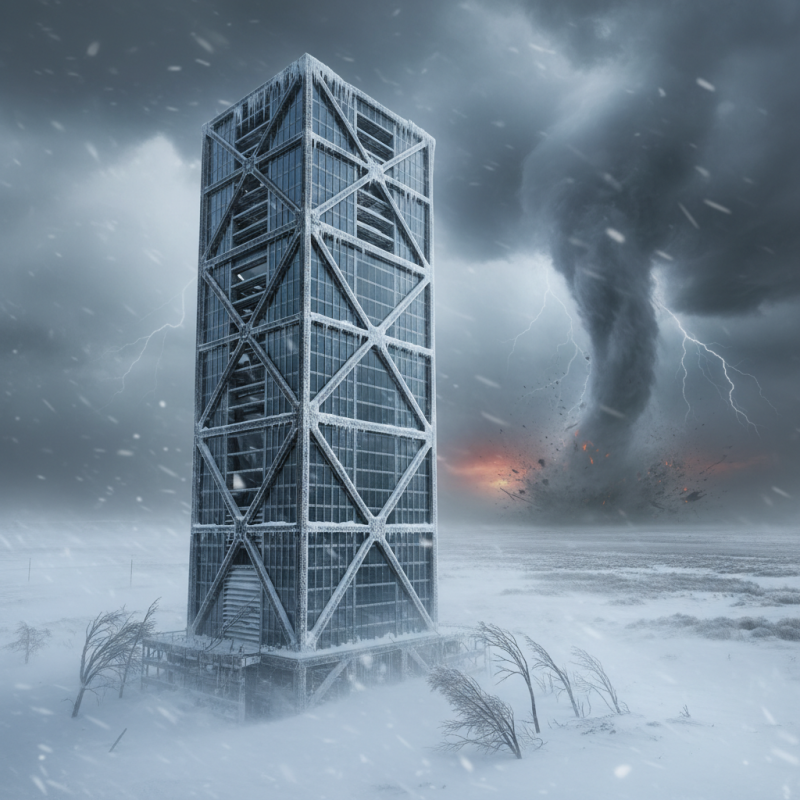
10 Reasons Steel Structures Are Safe in Extreme Weather?

Advantages of Steel Structures in Extreme Weather Conditions

Steel structures have become synonymous with safety and durability, especially in extreme weather conditions. According to a report by the American Institute of Steel Construction, steel can withstand high winds and heavy snowfall better than many other materials. This strength ensures that buildings remain intact during hurricanes or blizzards, significantly reducing the risk of structural failure.

In addition to resilience, steel structures are lightweight. This characteristic allows for easier and safer construction. Lower weight means less stress on foundations, which is crucial in areas prone to earthquakes. Moreover, steel does not warp or twist in heat, making it a stable choice even in fluctuating temperatures.

A study by the University of Cambridge found that steel structures can retain their shape under greater temperature variations, providing an edge in unpredictable climates.

Tips: Regular inspections of steel structures can identify potential weaknesses. Even small flaws can become serious issues during extreme weather. Understanding your building’s specific needs ensures enhanced safety and longevity. Remember, while steel is strong, it requires appropriate care and maintenance to uphold its reputation for reliability.

High Durability and Resistance to Corrosion in Harsh Environments

Steel structures stand out for their excellent durability and corrosion resistance, especially in harsh environments. High-quality steel can resist extreme weather conditions, including heavy winds, torrential rains, and freezing temperatures. According to the American Institute of Steel Construction, steel structures can last over 50 years with proper maintenance, making them suitable for various applications.

Corrosion resistance in steel is crucial when exposed to moisture and aggressive elements. Galvanized and stainless steel techniques enhance durability. A study by the National Institute of Standards and Technology highlights that galvanized steel can maintain structural integrity even when subjected to saline environments, such as coastal areas. This capability is significant, as corrosion can compromise the safety of other materials.

However, despite these advantages, challenges remain. Environmental factors can still cause wear over time. Regular inspections and maintenance are essential to prevent long-term damage. Awareness of local environmental conditions can inform design choices. Relying solely on steel’s durability might tempt some. A balanced approach ensures that structures remain safe and functional throughout their lifespan.

Ability to Withstand High Winds and Heavy Snow Loads

Steel structures are renowned for their ability to endure extreme weather, particularly high winds and heavy snow loads. According to the American Institute of Steel Construction, steel can withstand wind speeds of up to 150 mph when designed properly. This makes it an ideal choice for buildings in hurricane-prone areas. The flexibility of steel allows it to sway with high winds rather than break or collapse. This resilience is vital for ensuring safety in adverse conditions.

Heavy snow loads present another challenge. Structural engineers recommend that roofs be designed to bear at least 30 pounds per square foot in snow-laden regions. Steel's strength-to-weight ratio means it can support significant weight without becoming compromised. In some cases, steel frames can hold up to 50% more snow than alternatives like wood or concrete. However, designers must consider the potential for drifting snow. Proper calculations are essential to avoid structural failures.

While steel structures offer impressive safety features, they are not without their limitations. Corrosion can weaken steel over time, especially in coastal areas. Regular inspections and maintenance are crucial for ensuring long-term durability. Engineers must also factor in thermal expansion and contraction due to temperature changes, which can impact structural integrity. Thus, while steel is inherently strong, its effectiveness depends significantly on careful design and ongoing upkeep.

Structural Flexibility and Energy Absorption in Earthquakes

Steel structures are known for their robustness and resilience, especially during extreme weather events. One of the key advantages of steel is its structural flexibility. This flexibility allows buildings to sway rather than break under heavy forces. In earthquakes, this ability to absorb energy is crucial. Steel can bend without losing its strength, helping to prevent catastrophic failures.

It's not only about flexibility. Proper engineering ensures that connections and joints are robust. These elements are designed to withstand shifts and movements. This enhances the overall stability of the structure during seismic activity. Buildings engineered with steel are often put to the test in simulated earthquake conditions. They perform well, showcasing their reliability.

Tips: Ensure that your steel structures include proper bracing systems. This will further enhance their ability to withstand lateral forces. Regular inspections can also help identify potential weaknesses. Small fixes can prevent major issues later. Remember, investing in smart design now can save lives and reduce costs in the future.

Fire Resistance and Thermal Stability of Steel Materials

Steel structures demonstrate exceptional performance during extreme weather, primarily due to their fire resistance and thermal stability. Steel can withstand high temperatures without significant loss of strength. When exposed to flames, it does not burn like wood, nor does it emit toxic fumes. This characteristic makes steel an ideal choice for buildings in areas prone to wildfires or extreme heat conditions.

Thermal stability in steel is also crucial. It maintains its integrity despite fluctuating temperatures. When steel is heated, it expands; however, this expansion is predictable and manageable. Engineers can design structures to accommodate these changes. Conversely, materials like concrete may crack under similar conditions, presenting potential safety hazards. While steel structures are generally reliable, they must be properly maintained. Corrosion and wear over time can compromise their safety in harsh environments. Regular inspections help ensure long-term resilience against these issues. Overall, steel's properties offer significant advantages in extreme weather, but ongoing vigilance is necessary for optimum performance.

10 Reasons Steel Structures Are Safe in Extreme Weather

This chart represents the fire resistance and thermal stability of steel materials under extreme weather conditions, showcasing their performance across various scenarios.

FAQS

: How does steel perform in high winds?

: Steel can withstand wind speeds up to 150 mph if designed properly. This makes it safe for hurricane-prone areas.

What is the snow load capacity of steel structures?

Steel roofs should support at least 30 pounds per square foot in snow-heavy regions. They can often handle more than wood or concrete.

Why is flexibility important in steel structures during storms?

Steel's flexibility allows it to sway with high winds. This prevents breaking or collapse, ensuring safety in adverse conditions.

What are the maintenance needs for steel structures?

Regular inspections are essential. Corrosion and thermal changes can weaken steel over time, affecting safety and durability.

Can steel withstand fire?

Yes, steel has excellent fire resistance. It does not burn or emit toxic fumes, making it suitable for areas prone to wildfires.

What happens to steel when temperatures fluctuate?

Steel expands when heated, but this is predictable. Engineers can design structures to manage these changes effectively.

Are there any limitations to using steel?

Yes, corrosion in coastal areas can weaken steel. Ongoing maintenance and inspections are crucial for long-term structural integrity.

How does steel compare to concrete in extreme conditions?

Steel maintains integrity under high temperatures better than concrete, which may crack. However, both need regular maintenance.

Why is design important for steel structures?

Proper calculations for loads and thermal effects are vital. Design impacts the structure's performance and safety in harsh environments.

What role does ongoing maintenance play in steel construction?

Regular upkeep helps prevent deterioration. Ensuring steel's performance requires vigilance against corrosion and wear over time.

Conclusion

Steel structures have evolved as a reliable option for construction in regions that experience extreme weather conditions. One of the primary reasons are steel structures safe in extreme weather is their high durability and resistance to corrosion, making them well-suited for harsh environments. Additionally, they are designed to withstand high winds and heavy snow loads, ensuring stability and safety even in the most challenging climates.

Furthermore, the structural flexibility of steel allows these constructions to absorb energy during earthquakes, significantly reducing the risk of collapse. The fire resistance and thermal stability of steel materials also contribute to their overall safety. Collectively, these advantages make steel structures not only a practical choice but also a secure solution for building in areas prone to severe weather events.

Sienna

Sienna

Sienna is a skilled marketing professional with a deep expertise in our company’s core products and services. With a passion for innovation and detail, she plays a pivotal role in crafting insightful blog posts that not only highlight the unique features of our offerings but also provide valuable......