Reducing cost in steel construction starts long before fabrication. It begins with clearer decisions about span, grid, connections, tolerances, and procurement. The World Steel Association reports that construction consumes more than half of global steel demand. Small design changes can therefore influence material volume, transport weight, erection time, and site risk.
“Design decisions made early have the greatest impact on a project’s final cost,” says Charles J. Kibert, a construction management scholar and author of Sustainable Construction. His point is simple, but often ignored. Late revisions are expensive. A changed column spacing can trigger new drawings, connection details, shop work, and delivery schedules.
Industry data supports this concern. McKinsey has reported that large construction projects frequently exceed budgets by more than 30 percent. The Dodge Construction Network also identifies material prices, labor shortages, and project complexity as continuing cost pressures. These reports are not steel-specific. Still, they reveal the same weakness: poor coordination becomes expensive quickly.
This guide explains how to reduce costs in steel construction projects through practical control points. It examines value engineering, standardization, connection design, steel-grade selection, prefabrication, logistics, and waste reduction. AISC guidance and worldsteel lifecycle information provide useful technical context.
No estimate is perfect.
A lower purchase price may create higher erection costs. A lighter frame may require more complex connections. Prefabrication can reduce site labor, but only when drawings are accurate and revisions are controlled. The honest approach is not chasing the cheapest option. It is comparing total installed cost, schedule exposure, durability, and carbon impact before steel reaches the factory floor.
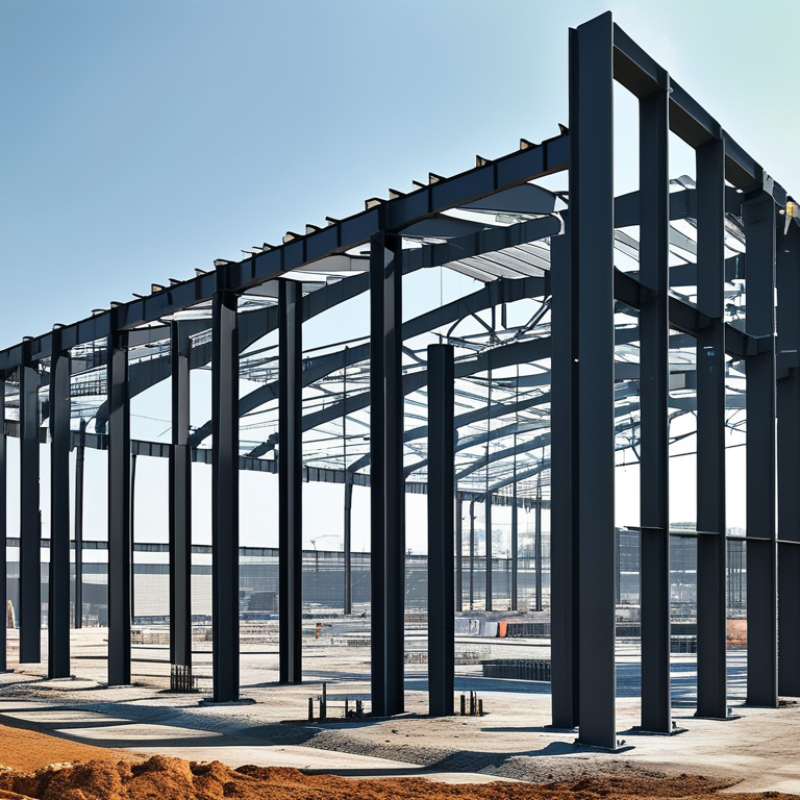
How to Reduce Costs in Steel Construction Projects
Project Scope, Cost Drivers, and Budget Baselines
A reliable steel budget starts with a clearly measured project scope. Define spans, floor loads, connection types, fire protection, coatings, and erection access. Ambiguity creates expensive revisions later. Keep it measurable. During one commercial project, our first estimate missed temporary bracing and night-shift lifting. That gap mattered. The revised scope included drawings, fabrication tolerances, site storage, crane time, testing, and waste allowances.
Material weight is only one cost driver. Steel grade, section availability, connection complexity, shop detailing, transport distance, and installation sequence can change the final price. Labour productivity also depends on site congestion and weather exposure. A lighter frame may require more complicated connections, reducing the expected saving. This trade-off needs engineering review, not assumptions based on tonnage alone.
Build the budget baseline from a quantity schedule, current unit rates, supplier quotations, labour hours, equipment costs, and documented exclusions. Add separate allowances for design development, market escalation, and unforeseen ground or access conditions. Record every assumption with an owner and review date. A baseline is not a guess. It is a controlled reference. However, early rates remain imperfect, especially before drawings reach construction detail. We should challenge them at each design milestone, compare committed costs with forecasts, and approve scope changes before they reach the workshop.
| Cost Category | Typical Share of Direct Project Cost | Primary Cost Drivers | Cost-Control Opportunity | Recommended Budget Baseline | Potential Cost Impact |
|---|---|---|---|---|---|
| Project Scope and Early Planning | |||||
| Structural system selection | Influences most major cost categories | Span lengths, column grid, floor loads, building height, lateral-load system, and future expansion requirements | Compare framing alternatives during concept design; avoid overdesign by aligning member sizes with verified loads and applicable codes | Set a design basis with confirmed occupancy, loads, spans, fire rating, serviceability criteria, and construction method | High |
| Project definition and scope control | Not a standalone material cost | Incomplete requirements, late changes, unclear inclusions, and interface gaps between steel, concrete, façade, and mechanical trades | Use a written scope matrix, responsibility matrix, design deliverables list, and change-control procedure | Freeze the basis of estimate before procurement and identify exclusions, allowances, and owner-supplied items | High |
| Design coordination and constructability | Varies by project complexity | Clashes, congested connections, difficult erection sequences, tolerance issues, and late fabrication-model revisions | Coordinate structural, architectural, and MEP models before fabrication; review connections and erection access early | Include model coordination, shop-drawing review, connection design, and approved-for-fabrication milestones | High |
| Major Steel Construction Cost Drivers | |||||
| Structural steel material | Approximately 20–35% of total installed steel-frame cost | Steel weight, section sizes, grade, plate thickness, market prices, mill availability, and material wastage | Optimize the framing grid, standardize sections, minimize unnecessary plate thickness, and reduce offcuts through nesting | Budget by estimated steel tonnage multiplied by a current, project-specific supply rate; track tonnage changes at each design stage | High |
| Fabrication | Approximately 20–30% of total installed steel-frame cost | Cutting, drilling, welding, fit-up, shop complexity, tolerances, coating preparation, and production volume | Use repeatable details, reduce custom components, consolidate piece marks, and issue complete fabrication information | Separate material, shop labor, consumables, quality control, and shop overhead in the estimate | High |
| Connections and detailing | Often 5–15% of fabrication-related cost | Number of connections, weld length, bolt quantity, moment connections, stiffeners, gusset plates, and seismic requirements | Prefer simple, repeatable, accessible connections where permitted; use standardized connection families and early connection design | Carry a separate connection allowance rather than estimating only by steel tonnage | High |
| Surface treatment and fire protection | Approximately 5–20% of installed steel-frame cost | Corrosion category, blast-cleaning level, paint system, galvanizing, intumescent coating, encasement, and required fire-resistance period | Specify protection based on exposure and code requirements; avoid applying high-cost systems where lower-cost compliant systems are suitable | Define the protection system, preparation standard, dry-film thickness, fire rating, and inspection requirements before tendering | Medium to High |
| Transportation and logistics | Approximately 2–8% of installed steel-frame cost | Distance, load size, route restrictions, delivery sequence, temporary storage, handling, and permit requirements | Optimize shipping lengths, sequence deliveries by erection zones, and confirm site access before finalizing piece sizes | Include freight, permits, unloading, storage, rehandling, and delivery-risk allowances separately | Medium |
| Erection and temporary works | Approximately 15–30% of total installed steel-frame cost | Site labor rates, crane capacity, building height, access, wind restrictions, bolting and welding requirements, temporary bracing, and sequence | Design for safe erection, reduce field welding, provide stable erection bays, and coordinate crane access with the site logistics plan | Estimate labor hours, crane type and duration, access equipment, temporary works, mobilization, and weather allowances | High |
| Foundations and interfaces | Project-specific; strongly affected by steel reactions | Column loads, base reactions, anchor-bolt layout, soil conditions, foundation type, and coordination with concrete works | Coordinate reactions and base details early; avoid unnecessary column loads and late anchor-bolt changes | Link the steel estimate to the latest geotechnical information, foundation design, and verified reaction schedule | Medium to High |
| Budget Baseline and Cost-Reduction Controls | |||||
| Quantity baseline | Measured in tonnes, pieces, connection counts, and protected area | Design development, member substitutions, scope growth, fabrication waste, and unmeasured secondary steel | Maintain a live quantity log with revision dates and compare design quantities against the approved baseline | Track primary steel, secondary steel, connection materials, bolts, coatings, fire protection, and temporary works separately | High |
| Unit-rate baseline | Use current project-specific rates | Regional labor, material market conditions, currency, energy, freight, escalation, and procurement timing | Obtain multiple comparable quotations, normalize exclusions, and update rates at defined design and procurement gates | Document the date, location, currency, inclusions, validity period, escalation assumption, and contingency treatment for every rate | High |
| Contingency and risk allowance | Commonly 5–15% of estimated cost, depending on project maturity and risk | Design uncertainty, price volatility, ground conditions, scope gaps, weather, access restrictions, and schedule risk | Use risk-based allowances instead of applying an unexplained lump sum; reduce contingency as information quality improves | Maintain a risk register with probability, cost exposure, owner, mitigation action, and residual allowance | Medium |
| Schedule and procurement strategy | Indirect but potentially significant | Long-lead sections, procurement timing, expediting, overtime, acceleration, storage, and market volatility | Release long-lead items after design verification, package repetitive work efficiently, and align purchasing with the erection sequence | Include a procurement schedule, quotation validity periods, escalation assumptions, and approved alternates | High |
| Change management | Varies by project; uncontrolled changes can materially increase cost | Late design revisions, client changes, coordination failures, rework, cancelled fabrication, and site instructions | Price every change for material, labor, design, freight, rework, schedule effect, and overhead before approval | Report approved changes, pending changes, potential changes, and remaining contingency separately | High |
| Key performance indicators | Measured throughout design and construction | Steel kg/m², installed cost/m², fabrication hours/tonne, erection hours/tonne, connection cost, rework, and schedule variance | Review trends monthly and investigate variance against the baseline rather than relying only on final cost totals | Set target ranges during concept design and revise them only through documented baseline changes | Medium |
| Planning note: The percentage ranges are broad planning benchmarks for commercial steel-frame projects, not fixed prices. Actual values vary with building type, location, structural system, code requirements, market conditions, procurement route, site access, and project maturity. A defensible budget should be based on measured quantities, current normalized quotations, documented assumptions, and a risk-based contingency. | |||||
It should begin before ordering the first steel member. Link drawings, site access, delivery dates, and installation sequences. A three-week lookahead can expose crane conflicts early. Rainy access problems can leave crews waiting beside unused equipment.
Keep drawings, material lists, and field measurements synchronized. Small differences can trigger cutting changes, delivery delays, or rework. Review crane routes during wet periods. Our schedule assumptions have failed before. That is worth remembering.
Compare total delivered cost, including fabrication tolerances, packaging, transport, storage, and handling. Group compatible members when unloading becomes faster. Larger orders may still create crowded storage areas. Cheap material is not always cheap onsite.
Confirm quantities through an independent review before issuing purchase orders. Check current drawings and field measurements together. Keep a practical contingency for uncertainty. Excess steel can block access and suffer coating damage.
Preassemble safe connections where practical. Mark each member before it reaches the work area. Set daily targets without rewarding unsafe speed. Short toolbox meetings can identify missing bolts and conflicting trades. Preparation helps, though it is not magic.
Track steel tonnage, fabrication hours, welding consumables, crane time, transport, and rework. Separate committed, paid, and forecast costs. A low invoice total may hide future liabilities. Review these figures every week.
Measure installed tonnes per crew, hours per connection, weld approval rates, and schedule variance. Compare results with the baseline. Investigate unusual changes before blaming workers. Poor access or late drawings may explain slower erection. Evidence matters more than instinct.
Maintain a change register and record the reason for every variance. Update labor rates and productivity assumptions after revisions. Monthly earned-value reviews can test spending against completed work. Forecasts remain imperfect. Independent quantity checks strengthen payment reviews.
This guide explains how to reduce costs in steel construction projects through disciplined planning, informed design, and continuous financial control. It begins with defining the project scope, identifying major cost drivers, and establishing a realistic budget baseline. Careful material selection and efficient structural design can reduce steel usage, simplify fabrication, and improve constructability without compromising safety or performance. Early coordination between designers, engineers, suppliers, and contractors also helps prevent costly changes and delays.
The article further examines construction planning, procurement strategies, and labor optimization, emphasizing accurate scheduling, competitive sourcing, and efficient workforce allocation. Quality control and risk management are essential for avoiding rework, defects, and unexpected expenses, while waste reduction can improve both productivity and resource efficiency. Finally, regular cost monitoring, progress reviews, and performance evaluation allow project teams to compare actual results with the budget, respond quickly to variances, and maintain financial control throughout construction.

 PYO Homes