How to Source the Latest Trends in Steel Construction?

Time:2026-10-03 Author:Isabella
0%

How can buyers identify real progress instead of chasing fashionable claims? That question frames our guide to what are the latest trends in steel construction. The answer is not found in glossy brochures alone. It appears in mill certificates, project schedules, connection details, and verified carbon data.

William F. Baker, the structural engineer known for the Burj Khalifa, offers a useful principle: “The best designs are those that are both efficient and elegant.” His observation applies to modern steel sourcing. Efficient design now means lighter members, optimized connections, and less site waste. Elegant design also means practical construction, clear documentation, and dependable performance.

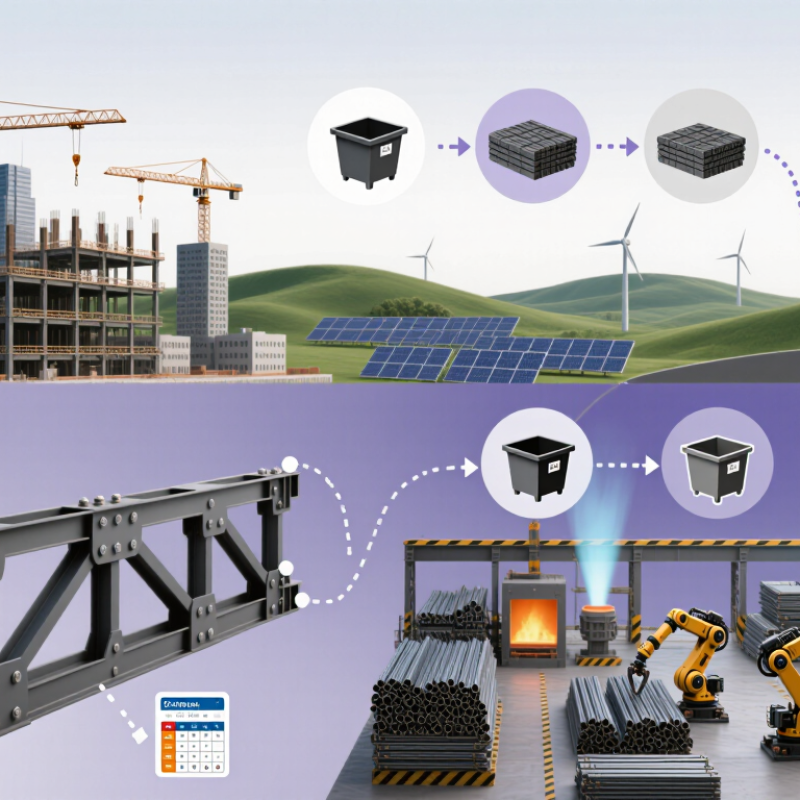
Current sourcing decisions increasingly involve low-carbon steel, electric-arc-furnace production, recycled content, and environmental product declarations. Digital twins and BIM models can expose clashes before steel reaches the site. Modular fabrication and robotic welding may shorten installation time. Circular design is gaining attention too. Components should be easier to dismantle, reuse, or recycle.

Yet not every “green” product is automatically better. A supplier may advertise recycled content without explaining energy sources or transport distance. A digital platform may look advanced but still contain incomplete data. This is where experience matters. Visit fabrication facilities when possible. Compare tolerances, inspection records, coating systems, and delivery performance.

The industry is moving quickly. Sometimes, too quickly. Steel buyers should remain curious, but skeptical. The strongest trend may be better evidence: measurable emissions, transparent traceability, and designs that remain useful decades later.
How to Source the Latest Trends in Steel Construction?

Define the Latest Trends Shaping Steel Construction

Steel construction is shifting from material efficiency toward measurable whole-life performance. The International Energy Agency reports that buildings and construction produce about 37% of global energy-related and process emissions. This pressure is changing project specifications. Designers now compare embodied carbon, recycled content, transport distance, and future reuse. Low-emission steelmaking is gaining attention, although supply remains uneven across regions.

Industrialized construction is another defining trend. The McKinsey Global Institute reports that modular methods can reduce project schedules by 20% to 50% in suitable conditions. Factory fabrication can improve dimensional control and reduce site waste. It also requires early coordination between structural engineers, fabricators, and installers. That coordination is still weak on many projects. The trend sounds simple. It is not.

Digital delivery is becoming practical rather than fashionable. Building information modeling, automated quantity checks, and digital twins help teams detect clashes before steel reaches the site. The National Institute of Building Sciences links better information management with improved cost and schedule decisions. Meanwhile, the World Steel Association’s sustainability guidance emphasizes steel’s recyclability and the importance of responsible material use. Reuse is more demanding than recycling because connections, corrosion, and load history must be verified. I have seen attractive circularity targets fail when records were incomplete. Engineers should test those assumptions early, not decorate them later.

Identify Reliable Sources for Emerging Steel Technologies

How to Source the Latest Trends in Steel Construction?

Reliable sourcing begins with evidence, not attractive project images. Track reports from the World Steel Association, the International Energy Agency, and national standards bodies. The World Steel Association recorded about 1.89 billion tonnes of crude steel production in 2023. This scale shows why small efficiency gains deserve attention.

For emerging technologies, compare technical data with independent field results. Look for research on low-carbon steel, electric arc furnaces, digital fabrication, modular construction, and corrosion-resistant coatings. The IEA estimates that steel production creates around 7% of global energy-related carbon dioxide emissions. Therefore, emissions data should include boundaries, energy sources, and production stages. A supplier claiming “low carbon” may only measure one process. That is a common sourcing mistake.

Ask for test certificates, lifecycle assessments, fire ratings, fatigue data, and installation records. Check whether an accredited laboratory verified the results. Standards from recognized engineering organizations can reveal missing details. However, standards may lag behind new processes. I would not treat compliance as proof of commercial readiness.

Tips: Build a source list with three layers: industry reports, peer-reviewed studies, and completed projects. Visit a fabrication facility when possible. Photograph weld details, traceability labels, and protective systems. Record failures, not only successful demonstrations. Compare five-year maintenance costs, not just purchase prices. Keep one assumption open to challenge. That improves judgment.

Evaluate Materials, Methods, and Sustainability Claims

How to Source the Latest Trends in Steel Construction?

Sourcing current steel trends requires more than scanning glossy project images. Evaluate the material, method, and evidence behind every proposal. High recycled content may look impressive, but electricity sources and transport distances also affect emissions. Request an Environmental Product Declaration with clear boundaries, dates, and verification. Compare strength, corrosion resistance, fire performance, and expected maintenance. A cheaper section can become expensive after repeated coatings or difficult repairs. I have seen teams overlook connection details while focusing on steel grades. That mistake affects both labour and future adaptability.

Tips: Ask suppliers for traceable mill data, test certificates, and a written carbon calculation. Check whether the figures cover production only or the complete project lifecycle. Review sample connections with fabricators before approving the design. Their practical experience often exposes problems that software models miss.

Construction methods deserve equal scrutiny. Modular fabrication, bolted assemblies, and design for disassembly can reduce site waste and improve programme certainty. However, prefabrication is not automatically sustainable. Oversized transport loads, temporary storage, and redesign can erase expected gains. Compare several scenarios using the same functional requirements. Include erection time, equipment use, maintenance, reuse potential, and end-of-life recovery. Independent engineers should challenge unsupported claims. Documentation matters. So does honest uncertainty. My own early assessments have sometimes rewarded recycled content too heavily. A broader lifecycle review usually changes the decision.

How to Source the Latest Trends in Steel Construction?

Evaluating Materials, Methods, and Sustainability Claims

Indicative cradle-to-gate greenhouse-gas intensity by steelmaking route, measured in tonnes of CO₂e per tonne of crude steel. Scrap-based electric arc furnaces and hydrogen-based direct reduction can substantially reduce emissions, but results depend on electricity sources, raw-material quality, scrap availability, and system boundaries.

Benchmark values are representative public lifecycle-assessment ranges synthesized from the World Steel Association Life Cycle Inventory data and the International Energy Agency’s iron and steel technology analysis. Actual project-level EPD values should be checked before making procurement or sustainability claims.

Compare Trends with Project Requirements and Industry Standards

Sourcing the latest trends in steel construction starts with disciplined comparison, not a fashionable product list. A low-carbon section, automated welding cell, or modular frame may look efficient. Yet each option must answer the project’s actual demands. I begin with span lengths, fire rating, coastal exposure, erection access, schedule, and budget. On one industrial project, a lighter frame reduced lifting needs but increased connection complexity. That trade-off was easy to miss.

Project requirements should be tested against current structural codes, material specifications, and local approval procedures. Engineers should verify strength, buckling, fatigue, seismic behavior, fire performance, and corrosion protection. The same trend can perform differently in a warehouse, bridge, or high-rise. I compare supplier data with test reports, mill certificates, welding procedures, and inspection records. Digital models also need practical checks. A perfect model cannot fix inaccurate site measurements.

Industry standards provide a reliable baseline, but they do not replace engineering judgment. When a new coating or high-strength grade claims longer service life, request independent evidence and maintenance assumptions. Check whether local fabricators can produce it consistently. A trend is useful only when workers understand it and inspectors can verify it. I have rejected attractive options when training, spare parts, or repair methods were unclear. That decision may slow procurement. It can prevent expensive redesign later.

Plan the Adoption of Suitable Steel Construction Innovations

Sourcing the latest steel construction trends begins with a project diagnosis, not a technology catalogue. Review load paths, local climate, labor skills, fabrication capacity, and inspection requirements. A coastal warehouse may benefit from corrosion-resistant detailing, while an urban tower may need lighter prefabricated assemblies. Speak with structural engineers, fabricators, site supervisors, and code reviewers before selecting an innovation. Their practical objections often reveal hidden costs.

Use a simple adoption gate covering safety, compliance, constructability, carbon impact, cost, and maintenance. Request test data, installation tolerances, fire performance records, and lifecycle assumptions. Compare the proposed system with a familiar steel solution under identical conditions. Small pilots work well. Build one connection mock-up and inspect bolt access, weld quality, lifting points, and weather protection. Record delays, rework, and worker feedback. These details make decisions more reliable than promotional claims.

Our early pilot was not elegant. A prefabricated frame reduced site welding, but transport limits forced an extra splice. We had underestimated crane access. That mistake changed our planning checklist. Now, teams model delivery routes, temporary bracing, and inspection hold points before ordering materials. Adoption should remain staged: trial, measure, adjust, then expand. Do not force an innovation simply because it is new. A mature plan leaves room to reject it when evidence is weak, budgets tighten, or maintenance crews cannot support it.

FAQS

What should be checked before adopting a new steel construction trend?

Review safety, compliance, constructability, carbon impact, cost, and maintenance needs. Technology alone is not enough.

How can recycled steel claims be evaluated?

Request verified environmental data, traceable mill records, and written carbon calculations. Check electricity sources and transport distances too.

What details should an environmental product declaration include?

It should state boundaries, dates, verification, and lifecycle coverage. Production-only figures may hide later impacts.

Why do connection details matter so much?

Connections affect labour, inspection, repairs, and future adaptation. A strong steel grade cannot fix poor access or awkward assembly.

Is prefabrication always more sustainable?

No. Oversized loads, temporary storage, and redesign can erase expected savings. The assumption needs testing.

Which construction methods may reduce site waste?

Modular fabrication, bolted assemblies, and design for disassembly may reduce waste. Their benefits depend on transport and site conditions.

What should a pilot project test?

Build a connection mock-up. Inspect bolt access, weld quality, lifting points, weather protection, delays, and rework.

How can teams avoid hidden delivery problems?

Model delivery routes, crane access, temporary bracing, and inspection hold points before ordering materials. We underestimated crane access once.

Should every new innovation be adopted after a successful trial?

No. Trial, measure, adjust, then expand. Weak evidence or unsupported maintenance can justify rejecting it.

How should steel options be compared fairly?

Use identical functional requirements and compare erection time, equipment use, maintenance, reuse, and end-of-life recovery. Cheap is not always cheaper.

Conclusion

This guide explains how to answer the question “what are the latest trends in steel construction” by examining the technologies, materials, and practices currently influencing the industry. It focuses on developments such as digital project coordination, prefabrication, advanced connection systems, automated fabrication, improved structural performance, and lower-impact production methods. Rather than accepting innovation claims at face value, readers are encouraged to investigate reliable technical publications, professional organizations, project evidence, and verified performance data.

The article also presents a practical framework for evaluating whether a trend suits a specific project. This includes comparing durability, cost, availability, construction speed, safety, environmental impact, and compliance with relevant standards. By matching emerging solutions with project requirements and conducting a careful risk assessment, construction teams can create a realistic adoption plan. The goal is to select steel construction innovations that deliver measurable value, support responsible resource use, and remain practical throughout design, fabrication, installation, and long-term operation.

Isabella

Isabella

Isabella is a dedicated marketing professional with a sharp focus on driving brand growth and engagement through strategic content creation. With an extensive background in digital marketing, she combines her passion for storytelling with her keen understanding of industry trends to deliver......