Are Steel Buildings Energy Efficient in 2026?

Time:2026-05-22 Author:Sienna
0%

As we look toward 2026, the question arises: are steel buildings energy efficient? With rising energy costs and environmental concerns, the construction industry faces pressure to innovate. Reports indicate that steel structures can offer up to 30% energy savings over traditional building methods. This efficiency is largely due to advanced insulation techniques and the inherent strength of steel, which allows for larger open spaces and better thermal performance.

However, it's essential to note the variability in energy performance across different designs. Many steel buildings still rely on outdated practices, which can hinder efficiency. The environmental impact of steel production also raises questions. While recycled steel is available, manufacturing emissions remain significant.

Experts emphasize the importance of comprehensive energy audits and the integration of renewable technologies. Effective design strategies can further enhance energy efficiency in steel structures. Ultimately, the potential for steel buildings to be energy efficient is promising, yet it requires ongoing innovation and a commitment to sustainability.
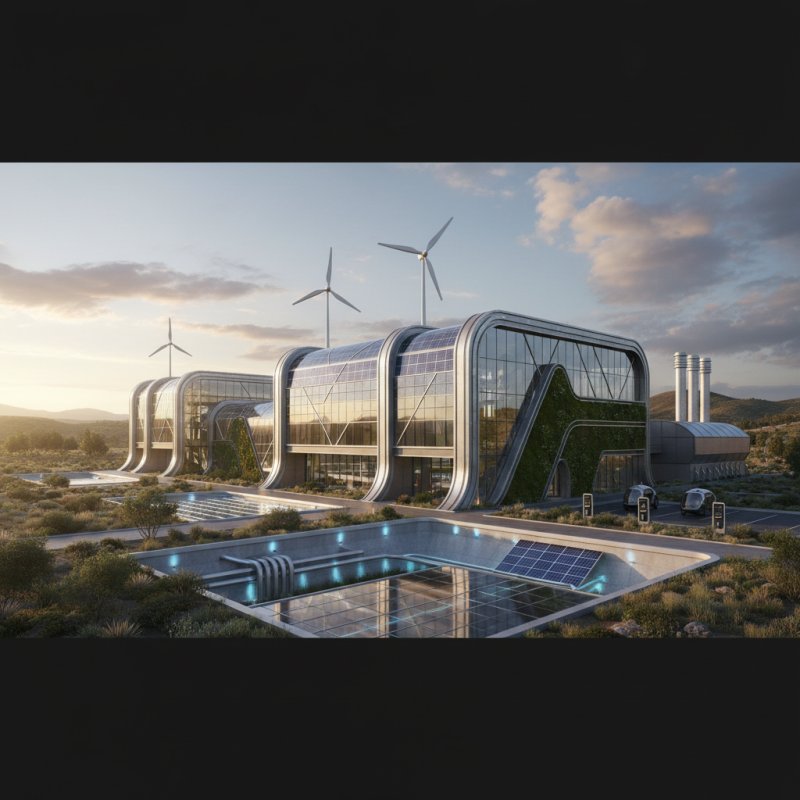
Are Steel Buildings Energy Efficient in 2026?

Advantages of Steel Buildings in Energy Efficiency

Steel buildings are increasingly recognized for their energy efficiency. These structures often feature excellent insulation properties. Steel's thermal performance reduces energy consumption for heating and cooling. This is crucial as energy costs continue to rise. The reflective surfaces of steel can also help manage heat absorption, keeping interiors cooler in warmer months.

Another advantage is the building's design flexibility. Steel allows for larger open spaces without the need for bulky support systems. This design feature can enhance natural light penetration, reducing reliance on artificial lighting. Moreover, many steel buildings incorporate sustainable materials and technologies. Energy-efficient windows and ventilation systems can be seamlessly integrated.

However, there are challenges. Initial costs may be higher compared to traditional materials. Some may argue that the long-term savings do not justify the upfront investment. Additionally, the environmental impact of steel production itself raises questions. Manufactured steel requires significant energy, which can offset some benefits. Careful consideration is essential when evaluating a steel building's overall efficiency.

Are Steel Buildings Energy Efficient in 2026? - Advantages of Steel Buildings in Energy Efficiency

Aspect Steel Buildings Traditional Buildings Energy Efficiency Rating (2026)
Insulation High R-value insulation options Varies widely A+
Lifecycle Carbon Footprint Lower due to recyclability Higher, less sustainable materials B
Heating and Cooling Highly efficient systems available Less efficient due to materials A
Solar Integration Designed for solar panel installation Limited options A+
Durability Long-lasting with low maintenance Less durable, higher maintenance A+

Technological Innovations Enhancing Steel Building Sustainability

In 2026, steel buildings are becoming more energy efficient due to significant technological innovations. The use of advanced insulation materials can reduce energy consumption by up to 40%. These materials enhance thermal performance, allowing buildings to maintain stable temperatures with less energy.

Sustainable design practices are also pivotal. Incorporating solar panels and green roofs has shown to decrease energy costs. According to the U.S. Department of Energy, energy-efficient buildings can reduce operating costs by nearly 30% over their lifespan. This efficiency not only benefits owners but also contributes to a significant reduction in greenhouse gas emissions.

While advancements are promising, challenges remain. Not all innovations are widely adopted, and some methods may be cost-prohibitive for smaller projects. Additionally, the long-term durability of new materials is still under evaluation. Stakeholders must continue to assess the balance between cutting-edge technology and practical application in various environments.

Comparison of Energy Consumption: Steel vs. Traditional Materials

In 2026, energy consumption remains a critical factor in evaluating building materials, especially steel versus traditional options. Steel buildings can offer substantial energy efficiency. According to a report by the U.S. Department of Energy, steel structures can reduce energy needs by up to 30% compared to conventional materials. This efficiency largely stems from the thermal properties of steel, which allow for better insulation and less heat loss.

A recent study from the Construction Industry Institute highlights that steel buildings often utilize advanced technologies. For example, smart framing techniques can optimize energy use. Moreover, steel’s recyclability contributes to overall sustainability. However, it's necessary to acknowledge some concerns. The initial energy costs for steel production are higher than those for wood or concrete. This can lead to debates about the long-term benefits versus short-term impacts.

Data indicates that lighting and HVAC systems in steel buildings operate with greater efficacy. However, some projects may not fully utilize these technologies. This gap suggests a need for better design integration. Striking a balance between initial costs and long-term performance remains a challenge. Energy efficiency is a complex issue, requiring careful consideration of various factors in material selection.

Factors Influencing Energy Efficiency in Steel Structures

Steel buildings are often praised for their strength and durability. Yet, energy efficiency in these structures is influenced by various factors. Insulation quality plays a crucial role. Poor insulation can lead to significant heat loss in winter and excessive heat gain in summer. This can increase energy consumption dramatically.

The design of the building contributes greatly. Orientation and window placement affect natural light utilization and heating needs. Properly designed steel structures can maximize energy use. On the other hand, inadequate design may lead to inefficiencies that could spiral costs upward.

Additionally, advancements in technology are creating smarter solutions. Energy management systems can optimize energy consumption in real-time. However, not every building incorporates these innovative technologies. Some remain stuck in traditional methods, missing opportunities for improvement. The landscape is evolving, but challenges persist in achieving ideal energy efficiency.

Future Trends in Energy Efficiency for Steel Buildings by 2026

As we look toward 2026, the energy efficiency of steel buildings is transforming. Advanced insulation materials and techniques are becoming more common. These innovations allow steel structures to retain heat better in winter and stay cool in summer. Additionally, solar panels are increasingly integrated into steel building designs. This trend not only supports renewable energy use but also reduces operational costs over time.

However, challenges remain. The production of steel generates significant carbon emissions. Efforts to recycle steel are essential for sustainability. Yet, many steel manufacturers face hurdles in implementing greener practices. Energy efficiency is not solely about materials; design plays a crucial role too. Architects and engineers must prioritize natural lighting and air circulation. While strides are being made, achieving true energy efficiency will require ongoing evaluation and adaptation. Each building represents a chance for improvement.

FAQS

: What are the energy efficiency advantages of steel buildings?

: Steel buildings have great insulation properties, reducing heating and cooling energy consumption. This is vital with rising energy costs.

How does steel's reflective surface benefit energy management?

The reflective surfaces help manage heat absorption. This keeps interiors cooler during warm months, enhancing comfort.

What design flexibility do steel buildings offer?

Steel allows for larger open spaces without bulky supports. This feature enhances natural light, reducing reliance on artificial lighting.

Are there environmental concerns related to steel production?

Yes, steel production generates significant carbon emissions. This raises questions about the overall sustainability of steel buildings.

What challenges do steel buildings face in terms of initial costs?

The initial costs of steel buildings might be higher than traditional materials. Some argue that long-term savings may not justify the investment.

What future trends are expected for energy efficiency in steel buildings by 2026?

By 2026, advancements in insulation and the integration of solar panels will enhance energy efficiency in steel buildings.

How important is design in achieving energy efficiency in steel buildings?

Design is crucial. Architects must prioritize natural lighting and air circulation for optimal energy performance.

What are the challenges manufacturers face in adopting greener practices?

Many steel manufacturers struggle with recycling and implementing sustainable methods. This hinders overall energy efficiency improvements.

Conclusion

The article "Are Steel Buildings Energy Efficient in 2026?" explores the various advantages of steel buildings in terms of energy efficiency, highlighting their ability to minimize energy consumption and reduce carbon footprints. Technological innovations play a crucial role in enhancing the sustainability of steel structures, making them increasingly viable options compared to traditional building materials.

By comparing energy consumption metrics, the article illustrates how steel buildings often outperform conventional materials in terms of insulation, thermal mass, and overall energy use. It also addresses factors that influence energy efficiency in steel structures, such as design features and construction practices. Finally, the author discusses future trends expected to shape the energy efficiency of steel buildings by 2026, suggesting that the question "are steel buildings energy efficient" will increasingly receive affirmative answers as technology and methodologies continue to advance.

Sienna

Sienna

Sienna is a skilled marketing professional with a deep expertise in our company’s core products and services. With a passion for innovation and detail, she plays a pivotal role in crafting insightful blog posts that not only highlight the unique features of our offerings but also provide valuable......