Are Steel Buildings Environmentally Friendly for Global Buyers?

Time:2026-05-07 Author:Charlotte
0%

As the world shifts toward sustainability, buyers are increasingly asking: are steel buildings environmentally friendly? This question is crucial in the construction industry. Steel is known for its durability and strength. Yet, its environmental impact must be examined closely.

Steel production is energy-intensive. Significant carbon emissions result from this process. However, steel is also 100% recyclable. This quality can reduce waste in construction. Buyers may wonder about the balance between production and recyclability.

Understanding the lifecycle of steel buildings is important. They often require less maintenance and last longer than other materials. Yet, these benefits can sometimes obscure the initial environmental cost. Buyers must reflect on these factors when making choices. The reputation of steel buildings hinges on this balance. Are steel buildings environmentally friendly? The answer is complex and worth exploring.
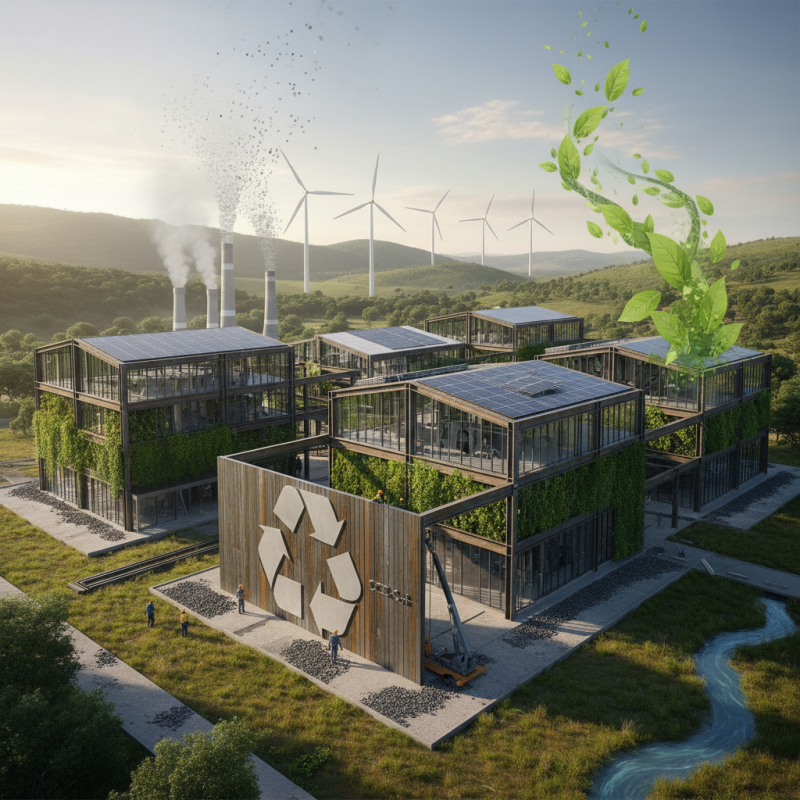
Are Steel Buildings Environmentally Friendly for Global Buyers?

Environmental Impact of Steel Production in Building Construction

Steel buildings present both benefits and challenges in terms of environmental impact. The production of steel is energy-intensive, leading to significant carbon emissions. This process often relies on non-renewable resources, which contributes to environmental degradation. However, steel's longevity and recyclability can mitigate some of these negative effects, making it a complex material in sustainable construction.

One important aspect is the lifecycle analysis of steel. It encompasses extraction, processing, usage, and recycling. While initial production is high in emissions, steel can be reused. Incorporating recycled steel in construction can reduce energy consumption dramatically. This approach minimizes the need for new raw materials, fostering a more sustainable practice in building construction.

Tips: Choose suppliers committed to sustainable practices. Look for steel sourced from recycled materials. Consider the energy footprint of steel production in your project. Opt for design practices that maximize the longevity of your structure. Through these methods, you can influence the environmental footprint of your steelbuilding projects.

Energy Efficiency of Steel Buildings Compared to Traditional Materials

Steel buildings are gaining attention for their energy efficiency. Compared to traditional materials like wood or concrete, steel offers several advantages. It has a high strength-to-weight ratio, allowing for less material usage. This translates to less energy consumed in both production and construction. Moreover, steel structures can be easily insulated, enhancing their overall energy performance.

Moreover, the recyclability of steel cannot be overlooked. It can be repurposed without losing quality, making it a sustainable choice. However, the production of steel does involve significant energy consumption. This creates a trade-off that warrants examination. While steel buildings can save energy over their lifespan, initial manufacturing processes can be less green.

Implementing energy-efficient designs is crucial. Factors like insulation, window placement, and heating systems must be integrated into the planning. A poorly designed steel building can negate its potential efficiency. Thus, continuous reflection on design strategies is necessary for optimal performance. The potential for energy savings in steel structures is significant but must be approached thoughtfully.

Recyclability and Sustainability of Steel in Construction Projects

In recent years, steel has gained attention for its recyclability and sustainability in construction projects. The life cycle of steel is impressive. Most steel products can be recycled infinitely without losing quality. This makes steel an excellent choice for builders who prioritize environmentally friendly materials.

Recyclability is a significant benefit. Steel is often reused in various forms. For example, beams and frames can be dismantled and repurposed in new structures. This process reduces waste and minimizes the carbon footprint associated with new steel production. Furthermore, steel recycling consumes less energy compared to producing new steel from raw materials.

Tips: Consider using reclaimed steel for your projects. Look for locally sourced materials to reduce transportation emissions. Partner with suppliers known for their green initiatives.

Additionally, steel’s durability enhances its sustainability. Steel structures can withstand harsh weather and resist decay. However, some might overlook the initial carbon emissions from production. It’s essential to evaluate the entire lifecycle to get a clearer picture of steel's environmental impact. By understanding these factors, stakeholders in the construction industry can make informed decisions that align with sustainability goals.

Life Cycle Analysis of Steel Buildings: A Global Perspective

The life cycle analysis (LCA) of steel buildings reveals crucial insights into sustainability. From extraction to disposal, every phase affects the environment. Steel is often mined, which consumes energy and generates emissions. However, steel is also highly recyclable, reducing the need for new materials in future projects. Recycled steel requires less energy to process, which is a significant advantage.

Transportation also plays a vital role in LCA. Steel structures can be prefabricated, which minimizes on-site waste and cuts down fuel usage. Yet, transporting heavy steel components can lead to carbon emissions. Balancing these factors is essential for a fair environmental assessment. Local materials and sourcing can further improve the sustainability of steel buildings.

Despite their advantages, steel buildings have drawbacks. The production process can lead to significant carbon footprints. Moreover, if not properly managed, end-of-life steel can end up in landfills. Attention to detail in recycling efforts is necessary to enhance the environmental performance of steel. The global community must consider these aspects to foster a more sustainable approach toward construction.

Innovative Technologies Enhancing the Eco-friendliness of Steel Structures

Steel buildings are increasingly seen as an eco-friendly choice for construction. Innovative technologies lower the environmental impact of steel structures. For instance, the use of advanced recycling processes is a key factor. Reports indicate that around 90% of steel is recyclable. This significantly reduces waste and conserves resources.

Moreover, modern production techniques enhance energy efficiency. Integrating renewable energy sources during manufacturing can cut carbon emissions by over 30%. Some companies implement advanced coatings that improve thermal efficiency, decreasing energy use in buildings. However, challenges remain, such as the energy-intensive nature of steel production. It's essential to weigh these factors carefully.

Additionally, life cycle assessments (LCAs) have shown that while steel structures last long, their environmental footprints vary greatly. Some steel buildings use fewer resources and have lower emissions. Yet, addressing the energy used in transport and manufacturing is vital. As the industry grows, continuous improvements and innovations will play a crucial role in making steel buildings more sustainable.

Eco-Friendliness of Steel Buildings

This chart illustrates the environmental impact of steel buildings compared to traditional materials. The data represents the carbon emissions, recyclability, and energy efficiency of various building options.

FAQS

: What are the main benefits of steel buildings?

: Steel buildings offer high strength and energy efficiency. They use less material and can be easily insulated.

How does the recyclability of steel impact sustainability?

Steel is highly recyclable, allowing repurposing without quality loss. This feature promotes sustainability in construction projects.

What is a significant drawback of steel production?

Steel production is energy-intensive and generates emissions, creating a trade-off with its overall energy savings.

How can design impact the energy efficiency of steel buildings?

Poorly designed buildings can waste energy. Proper insulation and heating systems are critical for optimal efficiency.

What role does transportation play in steel buildings' life cycle?

Transportation of steel components contributes to carbon emissions. Prefabrication helps reduce on-site waste and fuel usage.

Why is life cycle analysis important for steel buildings?

Life cycle analysis evaluates environmental impacts from extraction to disposal, highlighting sustainability concerns throughout the project.

What happens to steel at the end of its life?

If not managed well, end-of-life steel may end up in landfills. Effective recycling is necessary to improve environmental performance.

Can local sourcing of materials aid sustainability?

Yes, using local materials reduces transportation emissions and promotes a more sustainable approach in construction.

Are there any challenges in implementing energy-efficient designs?

Yes, it requires constant reflection and adjustments. Mistakes in design can negate efficiency benefits of steel buildings.

How should the global community approach construction sustainability?

Acknowledging the drawbacks and advantages of steel production is essential. Sustainable practices must be prioritized in construction.

Conclusion

The question of whether steel buildings are environmentally friendly is increasingly important as global buyers assess the sustainability of construction materials. The environmental impact of steel production is a key consideration, as it involves significant energy consumption and emissions. However, when compared to traditional building materials, steel structures often demonstrate superior energy efficiency, which can lead to lower operational costs over time.

Moreover, the recyclability and sustainability of steel make it an appealing choice for modern construction projects. Steel can be recycled multiple times without losing its quality, contributing to a circular economy. Life cycle analysis reveals that, despite the higher initial carbon footprint associated with steel production, the long-term benefits, including energy savings and reduced waste, position steel buildings as a viable option for sustainable development. Innovative technologies further enhance the eco-friendliness of these structures, solidifying the argument that, indeed, steel buildings are environmentally friendly for global buyers.

Charlotte

Charlotte

Charlotte is a seasoned marketing professional with a deep understanding of the company's portfolio and a passion for elevating its presence in the market. With a keen eye for detail and a commitment to excellence, she ensures that our professional blog is regularly updated with insightful articles......