Can Steel Buildings Be Expanded Later for Future Growth?

Time:2026-06-04 Author:Isabella
0%

As businesses grow, the need for adaptability becomes crucial. In many sectors, space requirements can change rapidly. This leads to an important question: can steel buildings be expanded later? Steel structures have gained popularity due to their durability and cost-effectiveness. However, potential owners often wonder about their expansion capabilities. Understanding this aspect can significantly influence real estate investments.

Steel buildings are unique in their design and construction. Their modular nature allows for easier alterations. Many owners have successfully expanded their steel structures to accommodate increasing operational demands. Yet, the process isn't without challenges. Factors such as local regulations and structural integrity must be carefully considered. It’s essential to consult with industry experts to ensure safe expansion.

Considering future growth is not always straightforward. Misjudging space needs can lead to costly adjustments down the line. Business leaders must weigh immediate needs against long-term goals. Adequate planning can prevent regrets later. Ultimately, knowing whether can steel buildings be expanded later involves a mix of foresight and professional guidance.
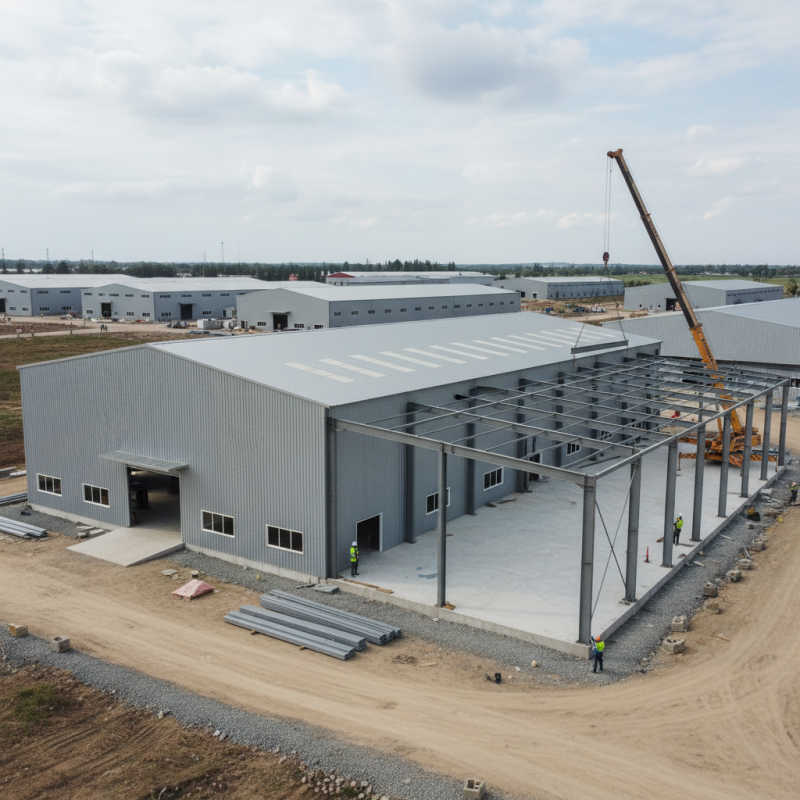
Can Steel Buildings Be Expanded Later for Future Growth?

Advantages of Steel Buildings for Future Expansion

Steel buildings offer unique advantages when considering future expansion. Their design allows for increased modularity, making it easier to add space later. This adaptability can save costs and effort during growth phases. By choosing steel, business owners position themselves for success.

Planning for expansion is crucial. Assess your current layout carefully. Consider potential future needs. Engage with architects experienced in steel construction. They can provide insights on how to maximize your building's potential.

Tip: Always leave room for growth in your initial design. This foresight minimizes disruptions when the time comes to expand. Another tip: review your structural requirements; some materials may not support significant additions later. These steps can safeguard your investments and streamline future growth plans.

Advantages of Steel Buildings for Future Expansion

Key Factors to Consider Before Expanding Steel Structures

When considering the expansion of steel buildings, various key factors emerge. The foundation is crucial. If the initial structure has a robust foundation, future expansion is more feasible. A 2022 report from the American Institute of Steel Construction highlights that over 70% of steel buildings are designed with potential growth in mind. However, many projects fail to account for zoning regulations or space limitations. This creates significant challenges later.

Next, load capacity plays a vital role. As buildings expand, they must support additional weight and equipment. A study conducted by the National Institute of Standards and Technology shows that inadequate load-bearing designs can lead to costly renovations or safety hazards. Building codes should be reviewed to ensure compliance during any expansion process.

Lastly, consider the logistical aspects of expansion. Access to the site and available resources can impact timelines. A construction management report indicated that logistical delays can add up to 20% to project costs. Organizations often overlook the importance of planning for these challenges. Thoughtful planning can mitigate risks and promote smooth growth.

Design Features That Facilitate Expansion of Steel Buildings

Steel buildings offer the flexibility for future expansion, making them a smart choice for growing businesses. Key design features can facilitate this process. One effective feature is the use of modular construction. This approach allows for sections of the building to be added or adjusted with minimal disruption. Additionally, adequate planning of load-bearing walls can support future alterations.

When designing for expansion, consider the building's foundation. A strong, adaptable foundation will make it easier to add floors or wings when needed. Storing useful materials on-site can also streamline future construction tasks. However, it’s crucial to account for potential zoning changes that may hinder expansion.

**Tips:** Ensure that utilities are easily accessible for future enhancements. Regularly review your initial designs to adapt to changing needs. Collaboration with a knowledgeable architect can uncover innovative design strategies that enhance expansion possibilities.

Common Methods for Expanding Existing Steel Buildings

Expanding existing steel buildings can be a practical solution for future growth. Steel structures offer flexibility, which is essential in the ever-changing business landscape. Common methods include adding new sections to the building. These new sections can align well with the existing design. This allows for seamless integration and maintains structural integrity.

Another effective method is vertical expansion. Constructing additional floors can significantly increase usable space. It's crucial to assess the building's foundation and framework before proceeding. Engineers must ensure that the existing structure can support this extra weight. Retrofitting requires expertise, as improper execution could lead to safety issues.

Modular expansions are also popular. They involve creating prefabricated sections that can be attached later. This method speeds up construction and reduces labor costs. However, project management skills are necessary to coordinate multiple phases. Delays can arise if not managed properly. Overall, planning and design should prioritize future needs. Considering potential growth at the initial stages is wise, but adjustments may still be required later on.

Case Studies of Successful Steel Building Expansions

When considering the future of steel buildings, expansion can be a viable option. Many companies have successfully adapted their structures to meet growth demands. From factories to warehouses, these case studies reveal how well-planned expansions can optimize space and resources.

One example includes a logistics firm that expanded its steel structure by adding an additional wing. This design not only increased capacity but also facilitated smoother operations. The incorporation of similar steel frames ensured compatibility and structural integrity. Such expansions often require minimal disruption to the existing operations.

Tips: Assess your current layout carefully. Design for future needs, allowing flexibility in your plans. Consult with structural engineers to ensure any expansion meets safety standards and efficiency goals. This foresight can save costs and headaches in the long run.

Another case involved a recreational facility that utilized modular designs to expand. Adding new sections allowed for various activities without major renovations. This approach provides a unique solution that meets community needs. Regular evaluations of space usage can guide strategic expansions.

Tips: Keep an eye on community trends. Adjust your expansions accordingly to attract more users. Planning for these changes can create a more sustainable and relevant facility.

Can Steel Buildings Be Expanded Later for Future Growth? - Case Studies of Successful Steel Building Expansions

Case Study Initial Size (sq ft) Expanded Size (sq ft) Expansion Date Reason for Expansion Cost of Expansion ($)
Case Study 1 10,000 15,000 2020 Increased demand 200,000
Case Study 2 8,000 12,000 2021 New product line 150,000
Case Study 3 20,000 30,000 2022 Market expansion 300,000
Case Study 4 15,000 22,500 2023 Operational efficiency 250,000

FAQS

: What is a crucial factor in expanding steel structures?

: The foundation is crucial. A robust foundation supports future expansion effectively.

How do zoning regulations affect expansion?

Many projects overlook zoning regulations. This can create significant challenges during the expansion process.

Why is load capacity important in building expansion?

Buildings must support additional weight. Inadequate designs can lead to costly renovations or safety hazards.

What does proper expansion planning involve?

It involves assessing logistical aspects. Access to the site can significantly impact timelines and costs.

What is a common method of expanding steel buildings?

Adding new sections aligns with existing designs. This method maintains structural integrity and functionality.

How does vertical expansion increase usable space?

Constructing additional floors can significantly increase space. The foundation must be assessed for support.

What is modular expansion?

It creates prefabricated sections for later attachment. This method speeds up construction but needs careful management.

What can happen if expansion is not managed properly?

Delays may arise during the construction process. Proper project management skills are essential to prevent this.

Why should future needs be prioritized in expansion design?

Considering future growth early can save time. Adjustments might be needed later if planning is insufficient.

What expertise is required for retrofitting during expansion?

Retrofitting requires engineering expertise. Improper execution can lead to safety issues and costly mistakes.

Conclusion

The question of "can steel buildings be expanded later" is increasingly relevant in today’s rapidly changing business environment. Steel buildings offer several advantages for future growth, including their inherent strength, durability, and flexibility in design. Before embarking on an expansion, certain key factors must be evaluated, such as the existing structure's load-bearing capacity, site constraints, and compliance with local regulations.

Design features that facilitate expansion, such as modular components and pre-engineered systems, play a critical role in ensuring that extensions can be seamlessly integrated. Common methods for expanding existing steel buildings include adding new wings, increasing vertical height, or retrofitting existing spaces. Case studies of successful expansions highlight the versatility and effectiveness of steel structures in accommodating business growth, making them an attractive option for long-term planning.

Isabella

Isabella

Isabella is a dedicated marketing professional with a sharp focus on driving brand growth and engagement through strategic content creation. With an extensive background in digital marketing, she combines her passion for storytelling with her keen understanding of industry trends to deliver......