When considering warehouse solutions, one crucial question arises: are steel buildings suitable for warehouses? Steel structures offer numerous advantages. They are known for their durability, cost-effectiveness, and swift construction timelines. These features can enhance operational efficiency for businesses.
However, not all steel buildings are created equal. Factors such as design flexibility and insulation must be considered. For specific warehouse activities, a standard design may not suffice. Customization could lead to increased costs and time delays. Thus, while the benefits are prominent, challenges may also arise.
Potential buyers should conduct thorough research. Understanding local regulations and building codes is essential. Consulting with experienced professionals can provide valuable insights. This approach can help prevent costly mistakes down the line. By weighing the pros and cons, businesses can make informed decisions regarding steel warehouses.
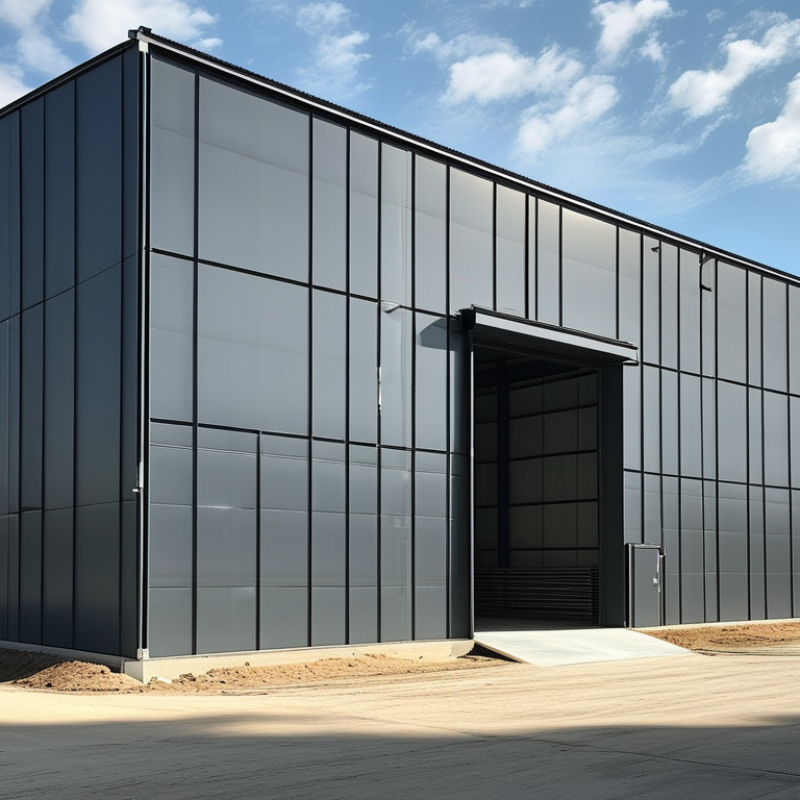
Steel buildings have gained popularity in warehouse solutions due to their unique benefits. One significant advantage is their durability. Steel structures can withstand harsh weather conditions and heavy loads. This makes them ideal for storage and distribution purposes. Unlike traditional materials, steel does not warp, crack, or split easily. This longevity means less maintenance cost.
Moreover, steel buildings offer flexibility in design. They can be customized to accommodate various storage needs. Expansive interiors provide ample space for shelves and equipment. Consequently, this can improve operational efficiency. The open space allows for easy movement of large items. However, careful planning is necessary to maximize this space.
Cost efficiency is another critical factor. Steel is often more affordable than wood or concrete when comparing long-term investment costs. While the initial expense may be higher, the low maintenance and longevity of steel buildings make them worthwhile. Yet, some might argue about their aesthetic appeal compared to other materials. Balancing functionality and appearance can be challenging. Overall, steel buildings provide significant benefits that warrant consideration.
Steel buildings offer unique advantages compared to traditional materials. They are lightweight yet strong. This allows for larger open spaces without the need for excessive supports. In warehouses, this feature means you can maximize storage and optimize workflow. Steel's durability is another critical benefit. It withstands extreme weather and requires less maintenance over time.
Traditional materials like wood and masonry can be less reliable. They are often susceptible to pests, rot, and mold. This can incur additional costs for warehouse owners. Wood also requires regular treatments to ensure longevity. On the other hand, steel buildings have a longer lifespan and can handle varying loads. They often result in lower total costs over time.
Installation speed is another point worth considering. Steel structures can be erected quickly, saving both time and labor costs. However, sourcing steel locally can be a challenge in some areas. Transportation costs may offset some advantages. It's essential to evaluate these factors based on specific project needs. Each material has its drawbacks and benefits, making careful consideration crucial.
| Criteria | Steel Buildings | Traditional Materials |
|---|---|---|
| Initial Cost | Moderate | High |
| Construction Speed | Fast | Slow |
| Durability | High | Moderate |
| Maintenance | Low | High |
| Energy Efficiency | Good | Fair |
| Flexibility in Design | High | Limited |
| Resale Value | High | Moderate |
When considering steel buildings for warehouse solutions, several key design factors come into play. Steel structures are known for their durability and cost-effectiveness. According to a recent report from the Steel Construction Institute, steel buildings can reduce construction time by up to 30%. This efficiency is crucial for operations that rely on quick turnaround times.
One important consideration is the building's layout. Open floor plans allow for more flexible storage options. However, this kind of design requires careful planning of load-bearing walls. Additionally, the actual height of the warehouse must be evaluated. A report by the American Institute of Steel Construction highlights that taller structures can significantly increase storage capacity but may demand more complex engineering solutions.
Temperature control is another vital aspect, especially for sensitive goods. Inadequate insulation can lead to losses. Studies show that proper insulation can reduce energy costs by 20-40%. While steel offers strength and longevity, balancing these factors with environmental considerations is essential for modern warehouse design. Reflecting on these factors can lead to more informed decisions in building design, ultimately impacting operational efficiency.
Steel buildings have gained popularity in warehouse construction due to their cost-effectiveness. According to a report by the Steel Construction Institute, using steel can reduce long-term construction costs by up to 15% compared to traditional materials. This is primarily because steel structures often require less maintenance over time, translating into lower operational costs. The durability and longevity of steel also contribute to saving funds in the long run, making it an attractive option for warehouse solutions.
Moreover, steel buildings typically have faster construction times. A study by the American Institute of Steel Construction highlighted that steel structures can be erected 30% faster than concrete alternatives. This swift construction reduces labor costs and allows businesses to start operations quickly. However, the initial investment for steel buildings can be higher. It's crucial for businesses to consider their financing options and the total cost of ownership. Evaluating these factors thoroughly can help teams decide if steel is the right choice for their specific warehouse needs.
The sustainability of steel warehouses has garnered significant attention. With the global construction sector accounting for nearly 39% of carbon emissions, creating eco-friendly solutions is vital. Steel buildings often outperform traditional materials in energy efficiency and recyclability. According to the World Steel Association, about 85% of a steel structure can be recycled at the end of its life cycle.
When examining the environmental impact, it is crucial to consider resource consumption. Producing steel requires substantial energy, but advances in technology are minimizing this footprint. Innovations in electric arc furnace technology yield a reduction in carbon emissions by up to 75%. This shift acknowledges the industry's responsibility in climate change mitigation. However, steel warehouses can still present challenges, particularly regarding raw material sourcing, which needs further examination.
Another notable point is the thermal efficiency of steel buildings. Proper insulation allows for reduced energy use, leading to lower operational costs. However, not all steel structures prioritize this aspect, which raises questions about long-term sustainability. To address these concerns, more research into efficient designs and materials must occur. This is essential for achieving a balanced ecological footprint in the warehouse sector.
: Steel is lightweight, strong, and allows for larger open spaces. It enables optimization of workflow and maximizes storage.
Steel is more durable and less susceptible to pests and rot. This reduces maintenance costs over time.
Yes, steel structures can be erected 30% faster than traditional materials. This leads to lower labor costs and quicker operations.
Consider the building layout for open floor plans and evaluate the height for better storage capacity.
Yes, inadequate insulation can lead to energy losses. Proper insulation can reduce energy costs by 20-40%.
Locally sourcing steel may be difficult in certain areas. Transportation costs can offset the benefits of using steel.
The initial investment may be higher, so evaluating financing options and total cost of ownership is crucial.
Steel buildings require less maintenance and have a longer lifespan, leading to lower operational costs over time.
While steel has many benefits, sourcing and transportation costs can be a concern that requires careful thought.
Careful planning of load-bearing walls and flexible layouts can enhance storage and workflow, impacting overall efficiency.
Steel buildings are increasingly recognized as a suitable option for warehouse solutions due to their numerous benefits. They offer superior durability, strength, and flexibility compared to traditional building materials, making them ideal for accommodating large open spaces required in warehouse operations. Additionally, steel structures can be designed with various key considerations in mind, such as load-bearing requirements and efficient space utilization, ensuring they meet the specific needs of warehouse functions.
Cost-effectiveness is another significant advantage of steel buildings; they often result in lower construction and maintenance costs over time. Furthermore, with a growing focus on sustainability, steel warehouses have a positive environmental impact due to their recyclability and energy-efficient construction practices. Overall, the question of whether steel buildings are suitable for warehouses can be confidently answered in the affirmative, as they align well with the modern demands of efficiency, functionality, and sustainability in the logistics sector.

PYO Homes