As the demand for durable and sustainable construction rises, global buyers seek efficient solutions. One significant innovation is the steel structure building. Understanding how do steel structure buildings work is essential for anyone interested in construction. These structures offer robustness while maintaining design flexibility.
Steel buildings are engineered for strength and stability. They utilize high-strength steel, reducing the need for excess materials. This efficiency leads to faster construction times and less waste. However, potential buyers must consider local regulations and climatic factors. A thorough investigation into these elements is vital to ensure success.
While steel structures promise many benefits, they are not without challenges. Corrosion and thermal expansion can affect longevity. Addressing these concerns requires careful planning and expertise. Buyers should engage with professionals who possess a deep understanding of these issues. In doing so, they will gain a clearer picture of how do steel structure buildings work and contribute to successful projects.
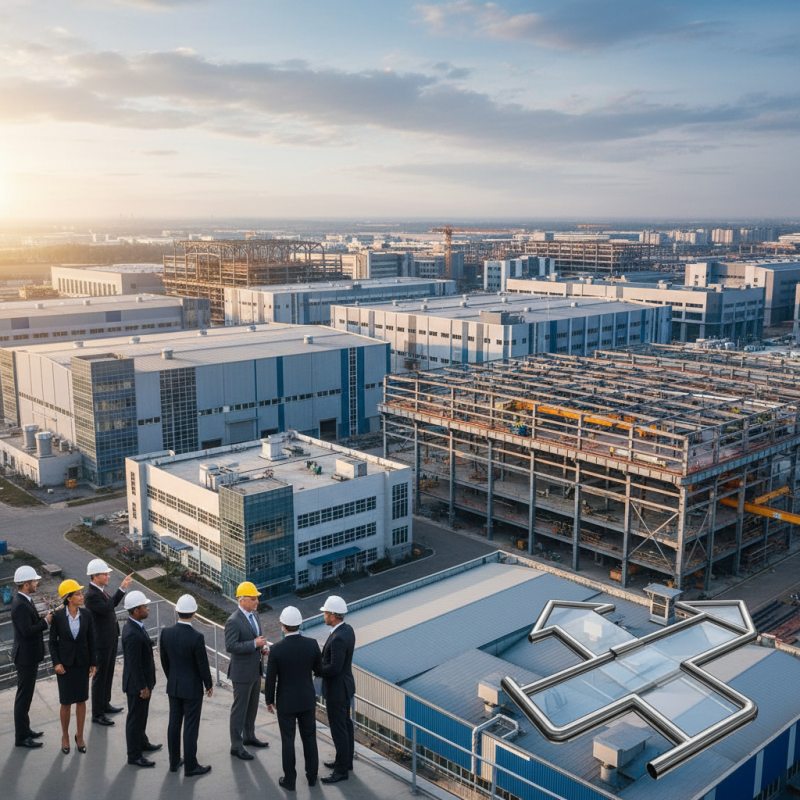
Understanding Steel Structure Buildings: An Overview
Steel structure buildings have gained prominence worldwide due to their durability and efficiency. These structures consist primarily of steel frames, which provide strength while remaining lightweight. This makes them suitable for various applications, from residential complexes to commercial skyscrapers. The flexibility of steel allows for expansive designs. Large open spaces can be created without the need for numerous internal supports.
Understanding steel structure buildings involves recognizing different components. Beams and columns form the skeleton, enabling architects to create unique designs. Steel is not only resistant to weather extremes but also has a high strength-to-weight ratio. These characteristics contribute to the longevity of the building. However, challenges exist, such as steel's susceptibility to corrosion if not treated properly. Regular maintenance is essential to ensure the longevity of these structures.
The design and construction process requires skilled professionals. Expertise in steel fabrication and building codes is crucial. Misunderstandings can lead to mishaps during construction, thus emphasizing the need for qualified engineers. Continuous advancements in engineering techniques also play a pivotal role. While steel structure buildings are efficient, there is still room for improvement in sustainable practices. Balancing innovation with eco-friendly materials poses ongoing challenges for the industry.
Steel Structure Buildings: Global Market Insights
Key Components of Steel Structure Buildings
Steel structure buildings are increasingly popular among global buyers due to their strength and durability. Key components include steel beams, columns, and trusses. These elements provide structural integrity and resilience. According to a recent report by the American Institute of Steel Construction, steel structures can withstand harsh weather conditions and seismic activities, making them suitable for various climates.
The use of steel in construction also promotes sustainability. Steel is recyclable, reducing waste and conserving resources. A study from the World Steel Association states that the energy consumption for producing steel has decreased by 30% in the last three decades. This shift makes steel structures an environmentally friendly choice.
Tip: Consider the project requirements carefully. Choosing the right steel components can significantly impact performance and cost. Collaboration with experienced designers can enhance the effectiveness of your structure.
However, not all steel structures are equal. Some builders skimp on quality materials, leading to long-term issues. Buyers must ensure they engage with reputable contractors to avoid these pitfalls. Quality assurance and rigorous inspections are vital for lasting structures.
Advantages of Steel Structures for Global Buyers
Steel structures offer numerous advantages that appeal to global buyers. Their durability is unmatched, making them suitable for various climates. They resist corrosion and withstand extreme weather. This resilience is crucial for long-term investments. Steel buildings often require less maintenance, leading to cost savings over time.
Another benefit is the speed of construction. Steel components are prefabricated, allowing for quicker assembly on-site. This efficiency can significantly reduce project timelines. Additionally, the design flexibility of steel allows for creative architectural solutions. Steel can support larger spans, facilitating open spaces in commercial buildings.
However, buyers must consider potential challenges. Steel structures can be more expensive initially than traditional materials. Fluctuating steel prices may impact overall project budgets. Additionally, sound insulation can be a concern due to steel's acoustical properties. Addressing these issues early in the design process is essential. Balancing the advantages with potential drawbacks ensures a successful project.
Construction Process of Steel Structure Buildings
The construction process of steel structure buildings involves several key phases. Initially, careful planning and design take place. This step is crucial for ensuring a durable structure. Architectural details must align with engineering requirements. Accurate blueprints guide the steel fabrication and assembly phases.
Steel is preferred for its strength and flexibility. During fabrication, steel components are cut, welded, and prepared in factories. Prefabrication reduces on-site construction time. However, this approach requires precise measurements to avoid fitting issues later. Improper cuts can lead to costly delays and rework, creating a ripple effect on the overall timeline.
Tips: Always choose experienced contractors. They understand steel’s characteristics and can prevent common mistakes. Regular site inspections are essential. This ensures that the construction adheres to the original plans. Communication among the team can minimize errors and enhance efficiency.
Installation comes next, where steel beams are lifted and secured. This requires specialized equipment and safety protocols. Working at heights poses risks, demanding careful handling and team coordination. Inadequate safety measures can lead to accidents or structural failures. Therefore, prioritize safety training for all involved.
Sustainability and Future Trends in Steel Construction
Sustainability is becoming crucial in steel construction. Steel has a long lifespan, but the production process can be energy-intensive. Innovations aim to reduce the carbon footprint. Recycled steel is an option, showing promise in cutting down waste. This shift reflects a growing awareness of environmental impact.
Future trends indicate a push towards more efficient building methods. Modular construction is rising, using pre-fabricated steel components. This method not only saves time but also reduces material waste. Digital technologies, like Building Information Modeling (BIM), enhance design accuracy. However, challenges remain. Issues of supply chain sustainability still need attention.
Another concern is the durability of steel in various environments. Corrosion can pose a problem, requiring regular maintenance. Research is underway to develop more resilient coatings. As the industry evolves, collaboration among architects, engineers, and manufacturers is vital. New partnerships can drive innovation in sustainable practices, setting a foundation for better solutions.
FAQS
: Steel structure buildings are known for their durability and efficiency. They provide strength while being lightweight.
Steel’s high strength-to-weight ratio allows for expansive designs and large open spaces without many internal supports.
Beams and columns form the skeleton of the building, enabling unique architectural designs.
Steel is resistant to weather extremes but can corrode if not properly treated. Regular maintenance is important.
Skilled professionals are essential. Expertise in steel fabrication and understanding building codes is crucial for successful projects.
Their durability and resistance to corrosion make them suitable for various climates. Maintenance needs are lower, which saves costs.
Steel components are prefabricated, allowing for quicker assembly. This can significantly reduce project timelines.
Yes, initial costs can be higher than traditional materials. Sound insulation may also be an issue due to steel's properties.
Conclusion
Steel structure buildings have become increasingly popular among global buyers due to their efficiency, durability, and versatility. These structures work by utilizing a framework of steel columns and beams, providing a strong and reliable support system that can withstand various environmental conditions. Understanding the key components of these buildings, such as steel frames, joists, and connections, is essential for appreciating their functionality.
One of the main advantages of steel structures is their quick construction timeline, which can significantly reduce labor costs and project duration. Additionally, the sustainability of steel as a recyclable material aligns with future trends in construction, making it an attractive option for eco-conscious buyers. As the demand for innovative and sustainable building solutions grows, understanding how do steel structure buildings work will help buyers make informed decisions in a competitive global market.

 PYO Homes