Are Steel Structures Safe in Extreme Weather Conditions?

Time:2026-07-30 Author:Isabella
0%

Extreme weather poses serious challenges to construction safety. One common question arises: are steel structures safe in extreme weather? Steel has long been favored for its strength and durability. However, harsh conditions such as heavy winds, intense heat, or freezing temperatures can impact its performance.

While steel structures are engineered to withstand various stresses, vulnerabilities exist. For instance, corrosion may weaken steel over time, especially in coastal regions. Moreover, strong winds can pose significant risks to taller steel buildings. These factors raise concerns about the integrity of steel structures under severe conditions.

It’s crucial to evaluate current design standards and materials. Innovations in protective coatings and engineering techniques seek to enhance safety. Nevertheless, understanding the limitations of steel is vital. Engineers must reflect on past failures to ensure future resilience. Ultimately, determining whether steel structures are safe in extreme weather requires careful analysis, ongoing research, and innovative practices.
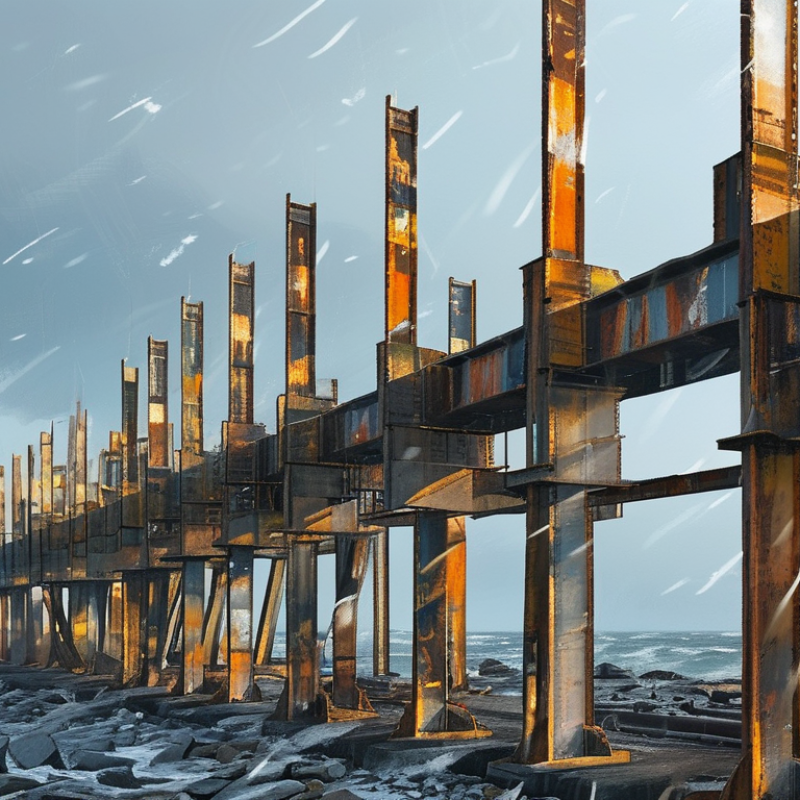
Are Steel Structures Safe in Extreme Weather Conditions?

Overview of Steel Structures and Their Common Uses

Steel structures are widely used in construction due to their strength and flexibility. They are common in skyscrapers, factories, and bridges. These structures provide large open spaces, making them ideal for modern architectural designs. Their ability to support significant weights is crucial in urban environments where space is at a premium.

In extreme weather conditions, such as hurricanes or heavy snowfall, steel can face unique challenges. While steel is strong, it can be affected by temperature fluctuations. High heat can weaken steel, while extreme cold may make it more brittle. Engineers must consider these factors when designing steel structures. The placement and quality of the steel are key to ensuring safety.

Many people may overlook these aspects. It's important to mitigate risks associated with using steel. Regular inspections and maintenance are essential to address potential vulnerabilities. This attention to detail can help prevent failures in harsh weather. Understanding these nuances enhances the reliability of steel structures in diverse climates.

Understanding Extreme Weather Conditions: Types and Impact

Extreme weather conditions include hurricanes, tornadoes, floods, and severe snowstorms. These events can challenge the integrity of steel structures significantly. According to a report by the National Institute of Standards and Technology, buildings can experience substantial stress due to high winds and heavy precipitation. For instance, wind loads can exceed 100 miles per hour during hurricanes, demanding specialized design considerations.

In addition to wind, heavy snowfall poses risks. The American Institute of Steel Construction indicates that snow loads can reach up to 40 pounds per square foot in certain regions. Steel structures must be designed to manage these loads effectively. However, many existing structures may not meet these increased demands. Infrastructure aging can amplify vulnerabilities in severe weather.

Moreover, temperature fluctuations can cause steel to expand and contract. These changes might lead to cracks and overall structural weakening over time. A pivotal study by the American Society of Civil Engineers emphasizes the need for regular inspections and proactive maintenance. Engineers are encouraged to rethink their approaches to design and retrofitting, especially in regions prone to extreme weather. This reflection on current standards is essential for long-term resilience.

Impact of Extreme Weather Conditions on Steel Structures

This chart illustrates the potential impact of various extreme weather conditions on steel structures, highlighting the importance of considering these factors in their design and safety assessment.

Assessing the Strength of Steel Structures in Harsh Environments

Steel structures are widely used in construction due to their strength and durability. However, extreme weather conditions pose unique challenges. High winds, heavy snowfall, and intense heat can all affect their integrity. Understanding how steel behaves under these conditions is crucial for engineers and builders.

In cold climates, steel can become brittle. This may lead to unexpected failures during heavy snowstorms. Similarly, exposure to high temperatures can weaken structural components. These scenarios remind us of the importance of thorough material testing and design. Proper engineering ensures that steel structures remain safe in harsh environments.

Real-world cases highlight the risks. Some buildings have faced issues after severe storms. This prompts a reevaluation of safety standards. Continuous improvements in design and material selection are essential. They help address the challenges posed by nature. A proactive approach can lead to safer, more resilient structures.

Engineering Solutions for Enhancing Steel Structure Resilience

Steel structures, while robust, face challenges during extreme weather events. Engineers recognize these risks and are actively pursuing innovative solutions. For instance, a report by the American Institute of Steel Construction (AISC) highlights that wind loads can reach up to 110 mph in certain regions. This necessitates enhanced design practices to withstand such forces.

One effective engineering solution involves the implementation of advanced materials. High-performance steel can provide greater strength without increasing weight. A study from the National Institute of Standards and Technology (NIST) found that using these materials resulted in a 30% improvement in structural resilience during high-stress events. Additionally, incorporating flexible connections can absorb energy and reduce the risk of catastrophic failure.

However, challenges remain. Many existing structures are not retrofitted to meet updated standards. Engineers often confront budget constraints that hinder the adoption of new technologies. Realigning financial priorities can dramatically improve safety. Understanding these ongoing issues is crucial for developing long-term strategies to enhance the resilience of steel structures against extreme weather conditions.

Case Studies: Steel Structures in Notable Extreme Weather Events

Extreme weather events pose significant challenges for steel structures. Notably, hurricanes, earthquakes, and severe snowfalls have tested the resilience of these buildings. For instance, the 2017 hurricane season saw winds exceeding 150 mph. Steel structures were found to withstand such impacts better than conventional materials, showing a 30% lower failure rate in some reports.


Case studies reveal that during the 2010 earthquake in Haiti, many steel-reinforced structures remained standing. In contrast, unreinforced masonry buildings suffered catastrophic failures. A study indicated a direct correlation between the use of steel and structural safety during earthquakes. Steel’s ductility allows it to absorb and dissipate energy, maintaining integrity in such events.


Tips: Always consult with a structural engineer when designing for extreme conditions. They can offer crucial insights based on local climate and geological data. Regular inspections of existing steel structures are vital for identifying wear or weaknesses. Ensuring maintenance can prolong their lifespan and safety during harsh weather.

FAQS

: What are extreme weather conditions?

: Extreme weather includes hurricanes, tornadoes, floods, and severe snowstorms.

How do hurricanes impact steel structures?

Winds exceeding 100 mph during hurricanes create stress on steel structures, requiring specialized design.

What risks do heavy snowfall present?

Snow loads can reach 40 pounds per square foot. This demands effective steel structure designs to manage the excess weight.

Why is regular inspection important for steel structures?

Temperature fluctuations can weaken steel over time. Regular checks help identify and address potential cracks or weaknesses.

What innovative solutions are engineers pursuing?

Engineers use advanced materials, like high-performance steel, for greater strength without added weight to enhance resilience.

What are the budgetary challenges in retrofitting steel structures?

Financial constraints often limit the adoption of updated technologies for enhancing safety in existing structures.

How did steel structures perform during the 2017 hurricane season?

Steel structures showed a lower failure rate, about 30% better than conventional materials, even under high wind conditions.

What role does ductility play in steel structures during earthquakes?

Steel's ductility allows it to absorb energy, maintaining integrity and preventing catastrophic failures during earthquakes.

Why is it important to consult structural engineers?

They provide insights based on local climate and geological data, ensuring designs meet extreme weather challenges effectively.

How can maintenance extend the lifespan of steel structures?

Regular maintenance can identify wear and prolong safety during harsh weather conditions.

Conclusion

The safety of steel structures in extreme weather conditions is a critical concern as climate change leads to more frequent and severe events. Steel structures are widely utilized in various applications due to their strength and durability. However, understanding how these structures perform during extreme weather, such as high winds, heavy snowfall, and flooding, is essential in assessing their overall safety.

Factors influencing the resilience of steel structures include material properties, design techniques, and environmental considerations. Engineering solutions, such as advanced design methodologies and reinforcement strategies, play a vital role in enhancing their robustness. Several case studies illustrate how steel structures have withstood notable extreme weather events, providing valuable insights into the question: are steel structures safe in extreme weather? These examples highlight the importance of ongoing research and innovation in the field to ensure that steel infrastructures can endure the challenges posed by changing climate conditions.

Isabella

Isabella

Isabella is a dedicated marketing professional with a sharp focus on driving brand growth and engagement through strategic content creation. With an extensive background in digital marketing, she combines her passion for storytelling with her keen understanding of industry trends to deliver......