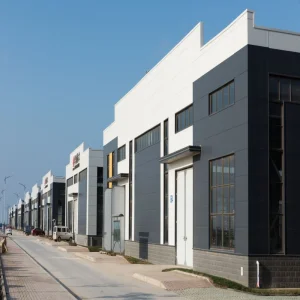
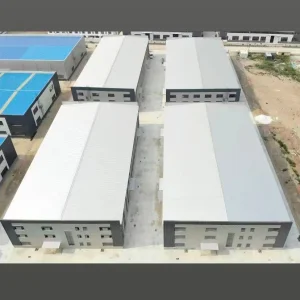
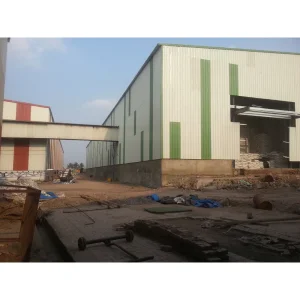
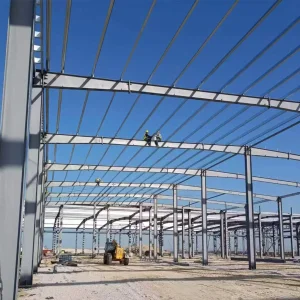
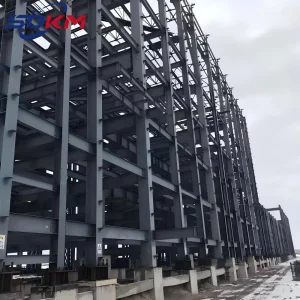
In the wake of global decarbonization targets, Eco-Friendly Steel Buildings have transitioned from a niche architectural trend to a global industrial standard. Steel, being 100% recyclable, offers a Circular Economy model that concrete cannot match. Our comprehensive analysis explores the top manufacturers leading this shift through Pre-Engineered Building (PEB) systems and AI-driven design.
Environmental, Social, and Governance (ESG) criteria are now pivotal for global enterprises. Steel buildings reduce site waste by 60%, improve construction speed by 50%, and utilize high-strength alloys that require less material for greater structural integrity. This section details how the "Top 10" manufacturers integrate these ESG metrics into their core manufacturing processes.
This report provides more than just names. We analyze the Technical Roadmap of high-performance steel, the impact of China Industry 4.0 on global supply chains, and the critical importance of localization and compliance for cross-border infrastructure projects.
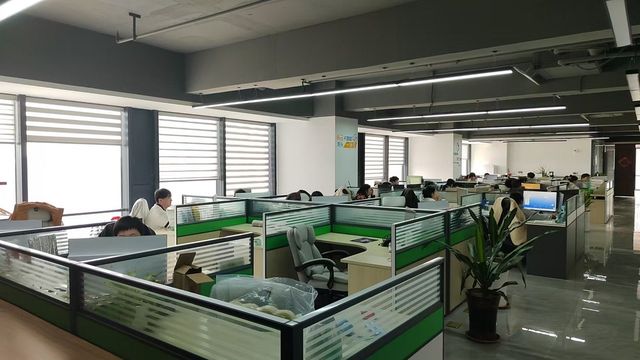
Hangzhou PYO Homes Co., Ltd. stands as a paragon of the modern, technology-oriented enterprise. Positioned as a premier Steel Structure Building Manufacturer and Industrial Plant & Warehouse Construction Solutions provider, the company epitomizes the "Experience" and "Expertise" required in the 2024 market.
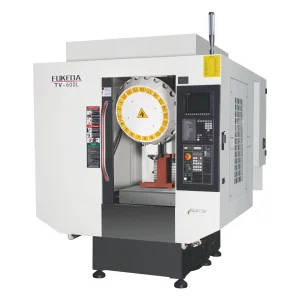
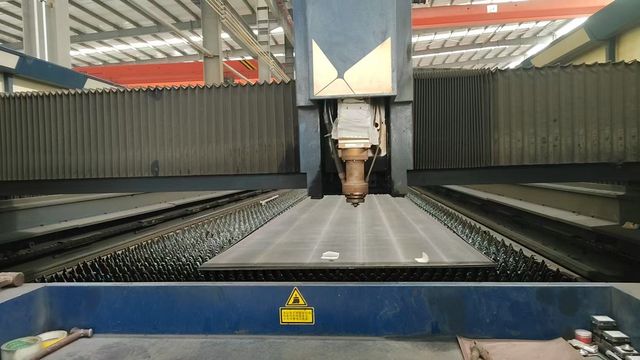
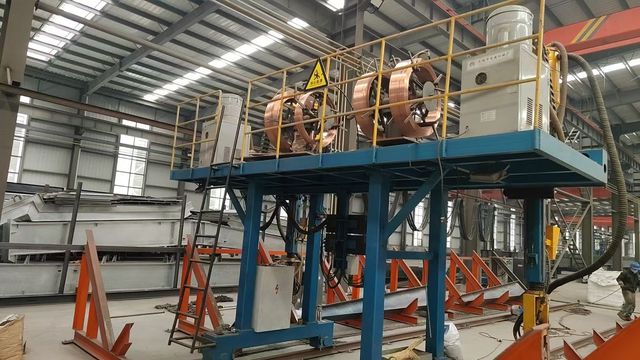
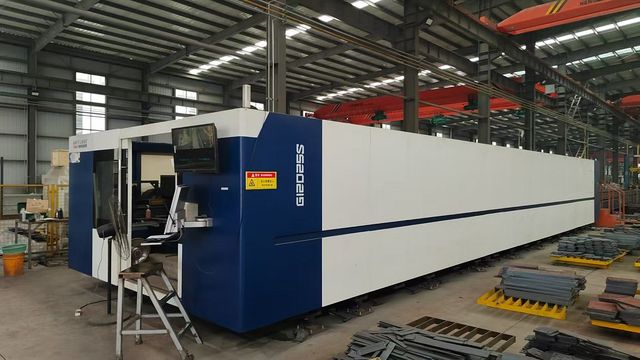
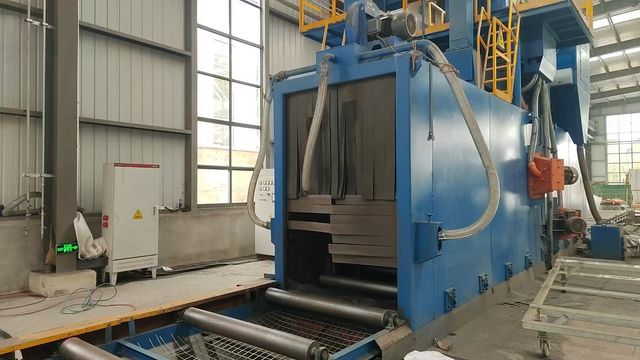
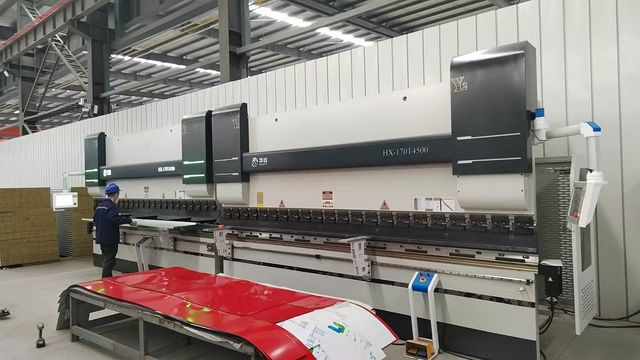
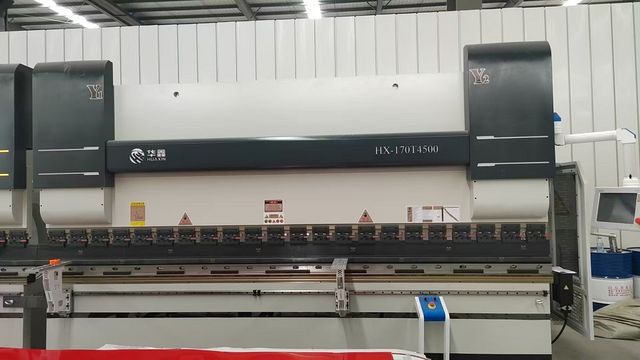
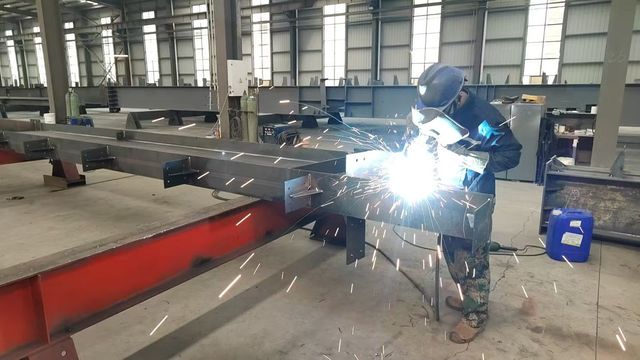
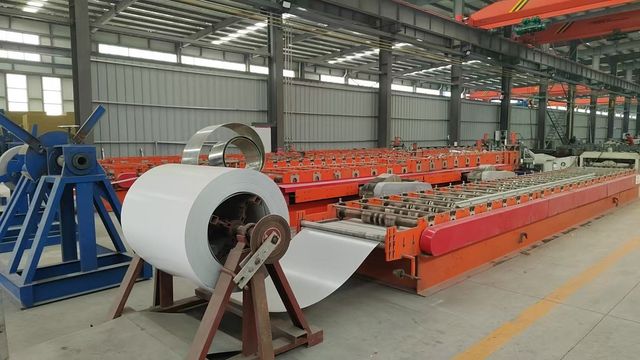
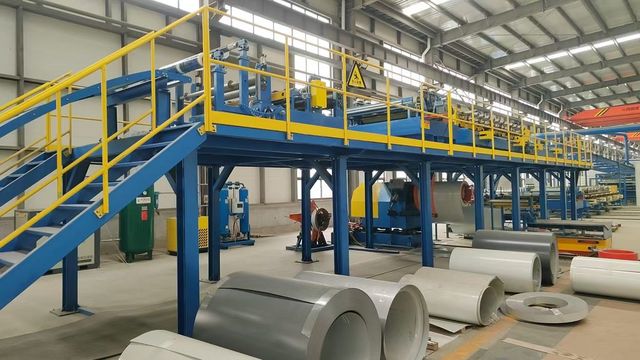
Established in 2011 in Hangzhou, China, PYO Homes began as a regional supplier of light steel framing. By 2016, through relentless innovation, they achieved full-scale engineering capabilities. Today, they leverage CNC cutting, automated welding lines, and precision forming equipment to serve clients across Asia, the Middle East, Africa, and South America.
The future of eco-friendly steel is digital. Building Information Modeling (BIM) allows for "digital twin" simulations that optimize thermal performance and structural loads before a single beam is cast. This prevents over-engineering and reduces the carbon footprint of raw material extraction.
Top manufacturers are shifting toward "Green Steel"—steel produced using hydrogen instead of coking coal. This technical leap is expected to reduce CO2 emissions by up to 95% in the fabrication phase, making steel the cleanest heavy-construction material on earth.
Future designs emphasize modularity. Buildings are no longer static; they are "assemblies" that can be expanded, deconstructed, or repurposed. This longevity is the ultimate form of sustainability.
The dominance of Chinese exporters like PYO Homes is not merely about price—it is about the Industry 4.0 ecosystem. The integration of the Internet of Things (IoT) in the factory floor allows for real-time tracking of every structural component.
| Feature | Traditional Manufacturing | China Industry 4.0 (Eco-Steel) |
|---|---|---|
| Material Efficiency | High scrap rate (15-20%) | Precision nesting (<3% waste) |
| Quality Control | Manual inspection | AI-powered laser scanning & Ultrasonic testing |
| Production Speed | Linear, segmented process | Parallel automated fabrication lines |
| Carbon Tracking | Estimated/None | Blockchain-verified carbon footprint data |
Eco-friendly steel buildings are now solving complex macro-economic challenges:
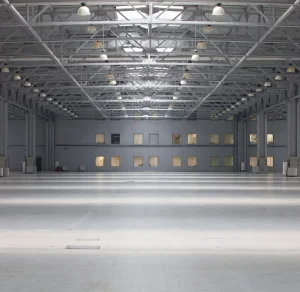
Large-span PEB structures enable automated sorting systems with zero internal column interference, maximizing volumetric efficiency for global logistics giants.
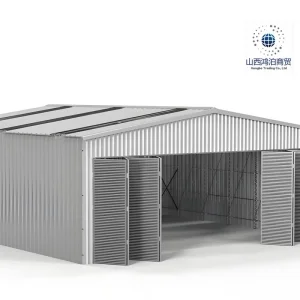
Lightweight corrugated steel structures provide the high-strength-to-weight ratio required for massive aircraft hangars and helicopter pads in remote regions.
Climate-controlled steel storage facilities protect global food supplies from extreme weather events, utilizing insulated sandwich panels for thermal stability.
One of the primary barriers to international procurement is the divergence in building codes. Top-tier exporters distinguish themselves through deep knowledge of:
PYO Homes, for instance, provides Free Design Services that incorporate local geological data to ensure structural safety and rapid permit approval.
When selecting from the Top 10 manufacturers, procurement officers must look beyond the initial quote:
 PYO Homes