In the modern industrial landscape, the demarcation line between permanent structural engineering and temporary systems has dissolved. Rapid infrastructure expansion, complex manufacturing hubs, and time-critical logistics demands require highly durable steel structure temporary structures that install in days but perform reliably for decades. As global supply chains face mounting pressures, procuring structural steel from trusted Chinese partners ensures optimized unit costs, high structural integrity, and conformity to localized building codes.
This whitepaper explores the technological parameters, manufacturing innovations, and regulatory structures that establish China's top steel fabricators as premier global suppliers. By implementing advanced engineering workflows, robust corrosion protection, and strict execution standards, these organizations deliver high-value assets configured for extreme environments.
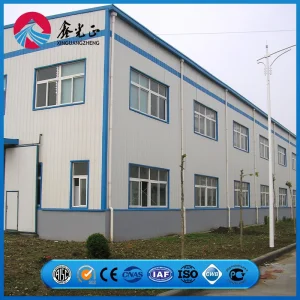
Hangzhou PYO Homes Co., Ltd. is a modern and technology-oriented enterprise specializing in steel structure construction, positioned as a Steel Structure Building Manufacturer | Industrial Plant & Warehouse Construction Solutions provider. The company is dedicated to delivering high-performance, durable, and cost-efficient steel building systems for industrial plants, logistics warehouses, commercial facilities, and infrastructure projects worldwide.
Established in 2011 in Hangzhou, China, PYO Homes began as a regional supplier of light steel framing components. With the rapid growth of industrial construction and demand for faster, more efficient building methods, the company expanded into full-scale steel structure engineering and manufacturing. By 2016, PYO Homes had developed comprehensive capabilities covering design, fabrication, and installation of pre-engineered steel buildings.
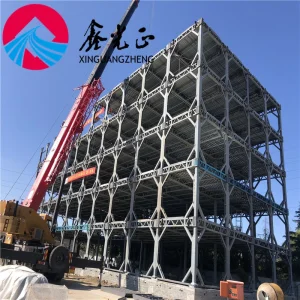
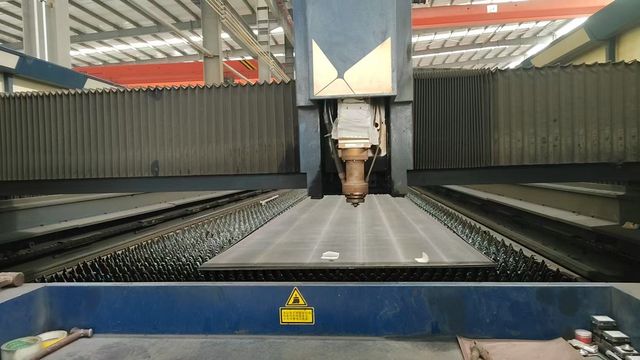
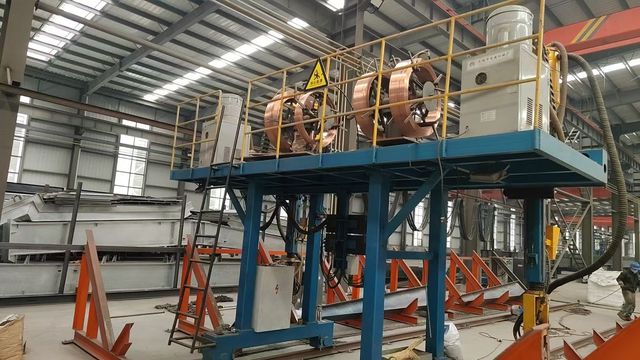
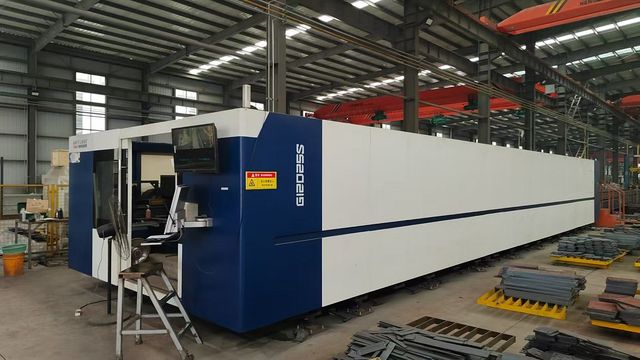
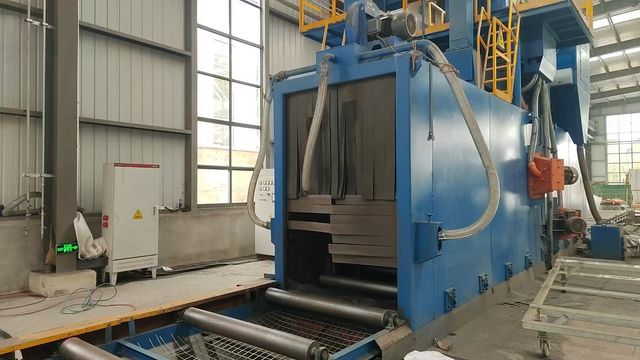
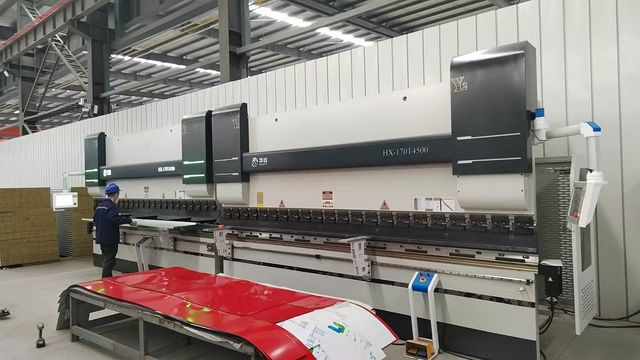
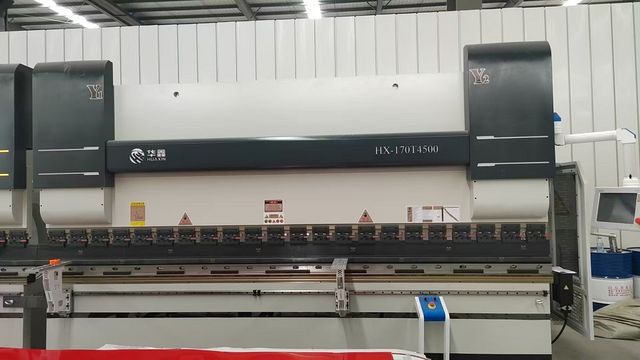
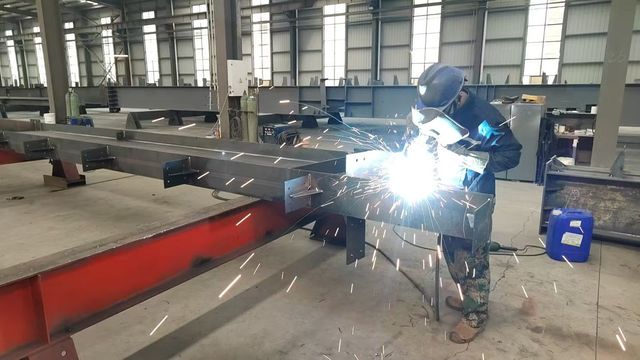
Through continuous investment in advanced machinery such as CNC cutting, automated welding lines, and precision forming equipment, the company ensures strict quality control and high production efficiency. Its product range includes steel frame workshops, large-span warehouses, multi-story industrial plants, and customized structural solutions tailored to client specifications. Today, Hangzhou PYO Homes Co., Ltd. serves clients across Asia, the Middle East, Africa, and South America. With a strong focus on innovation, structural safety, and sustainable construction practices, the company continues to provide reliable steel structure building solutions that meet the evolving needs of global industrial development.
Engineered for durability, modular deployment, and high wind/seismic resistance profiles.
How technological optimization, automated fabrication, and vertical integration drive international competitiveness.
Modern fabrication relies on CNC multi-head cutting, automated H-beam welding, and computer-guided drilling. This setup maintains tolerance profiles to less than 1.5mm, ensuring straightforward installation of structural assemblies at the job site without onsite field modifications.
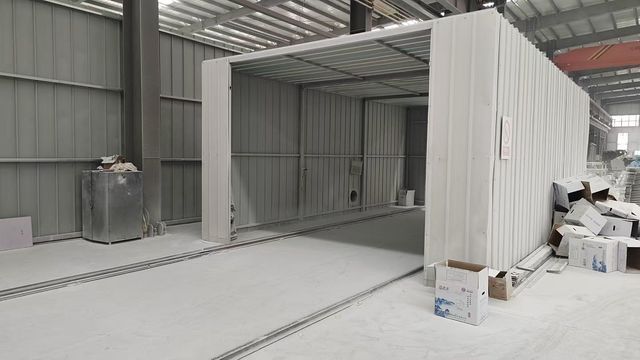
With options ranging from heavy hot-dip galvanization (ASTM A123 / ISO 1461) to multi-layered epoxy primers and weather-resistant polyurethane topcoats, our structures resist corrosion in coastal, high-humidity, and industrial chemical environments.
Custom shipping configurations secure heavy components inside ocean containers, preventing mechanical damage during transit. Detailed packing sheets, matching color codes, and structural markings help local installers unpack and build efficiently.
By working directly with large-scale domestic steel mills, Chinese manufacturers secure consistent access to high-grade Q235B and Q355B structural steel (equivalent to S235JR and S355JR under European norms, or Grade 36 and Grade 50 under ASTM). This direct raw material integration, paired with complete supply chains for secondary components (like sandwich panels, high-strength tension rods, purlins, and window systems), isolates international buyers from raw material volatility and shortens manufacturing lead times compared to regional fabricators.
Optimized pre-engineered systems designed to meet distinct operational, thermal, and spatial demands.
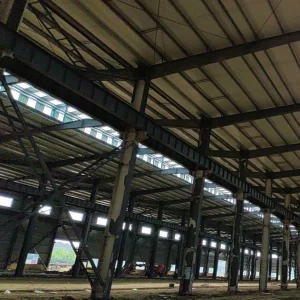
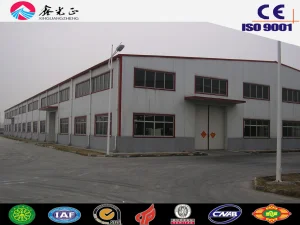
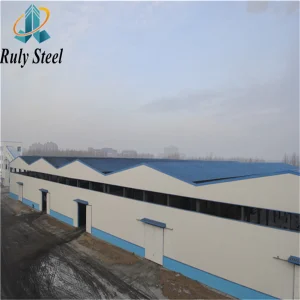
Heavy machinery, metal fabrication, and processing plants require large open bays and crane integration. These designs incorporate solid portal frames, heavy crane runways (5-ton to 50-ton capacities), and robust cross-bracing. Structural details accommodate dynamic load distributions, thermal expansion, and mechanical vibration profiles.
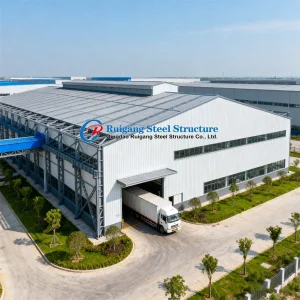
E-commerce growth and cold-chain supply demands require wide-span interior structures. Our portal framing systems achieve clear spans exceeding 48 meters without internal columns, maximizing racking volume and optimizing material handling routes. Integrated insulation systems, such as PIR/PUR sandwich panels, maintain stable interior temperatures.
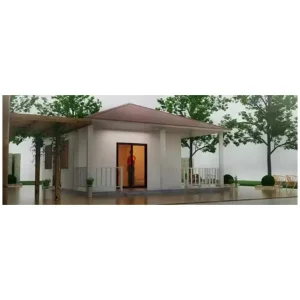
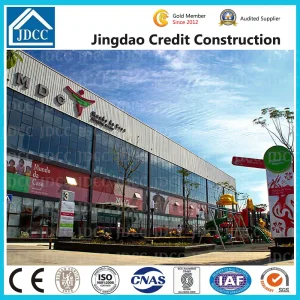
Commercial projects balance utility with aesthetic flexibility. Light gauge steel frames, composite decking systems, and glass facade support systems create open layout plans. Prefabricating these structures speeds up assembly, allowing commercial properties to open and generate revenue sooner.
A key challenge in purchasing structural steel internationally is meeting localized building codes. Working with partners like Hangzhou PYO Homes Co., Ltd. addresses this, as structural components are engineered to comply with regional codes, wind load ratings, and seismic zones.
Welding procedures and structural steel configurations comply with AISC 360 (Specification for Structural Steel Buildings) and AWS D1.1 structural welding requirements. This ensures structural calculations match international engineering standards.
Execution projects destined for the European Economic Area (EEA) align with Eurocode 3 (EN 1993) design parameters and EN 1090-2 (Execution of steel structures and aluminium structures). This includes material traceability verification and CE marking support.
Structures engineered for high seismic risks and extreme wind loads are designed to meet AS/NZS 1170 structural design action requirements and AS 4100 steel structures standards. We verify material grades to ensure compliance under local regulations.
Decarbonization, Digital Twins, and advanced modularity in structural steel fabrication.
Integrating Building Information Modeling (BIM) workflows coordinates structural design, manufacturing detailing, and assembly sequence tracking. Digital Twins simulate performance under live wind loads, seismic events, and structural aging, improving asset management.
Reducing embodied carbon is key to modern structural engineering. Utilizing steel from Electric Arc Furnaces (EAF) powered by renewable energy sources, along with lightweight design optimization, reduces carbon intensity without sacrificing load-bearing capacity.
Future structural designs will feature keyway-locking joint geometries and pre-aligned bolt plates. This simplifies structural expansion or disassembly, allowing temporary buildings to adapt to changing commercial and logistics requirements over time.
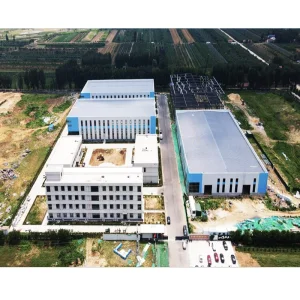
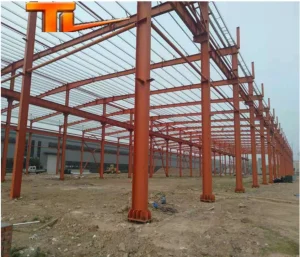
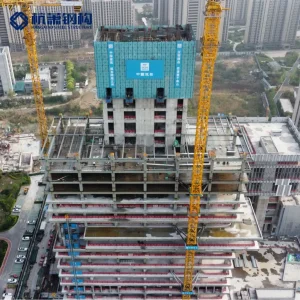
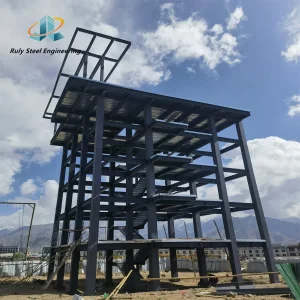
Inside Hangzhou PYO Homes' modern production facilities and finished projects worldwide.
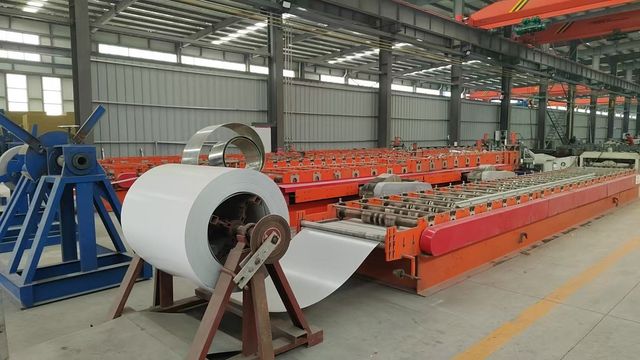
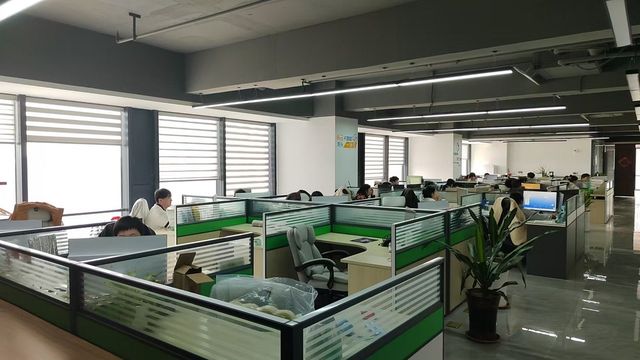
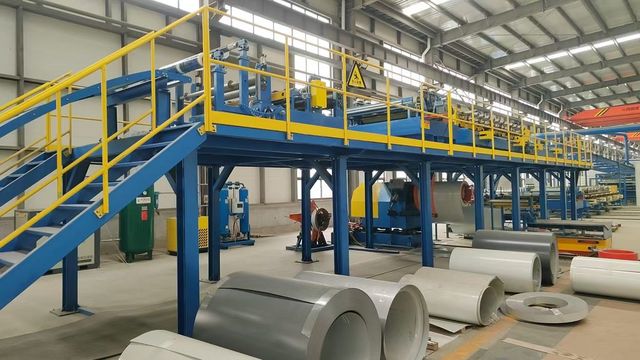
Navigating total cost of ownership (TCO), risk assessment, and quality control loops.
For global businesses, purchasing steel structures from China involves evaluating several factors beyond initial pricing. Managing total cost of ownership (TCO) requires analyzing shipping expenses, assembly efficiency, customs documentation, and long-term durability.
Third-party inspections (SGS, BV) check chemical compositions and verify welding penetration using ultrasonic or radiographic testing.
Mill Test Certificates (MTC) matching EN 10204 3.1 provide verification of chemical and physical material properties.
Comprehensive Tekla models, 3D structural layouts, and marked-up assembly guides support efficient on-site erection.
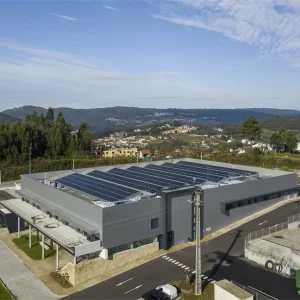
Engineered multi-span structures, custom commercial malls, and specialized processing plants.
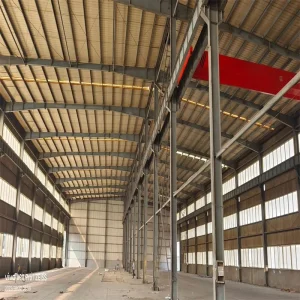
Addressing common questions regarding technical specs, custom designs, logistics, and international compliancy.
 PYO Homes