Product Description
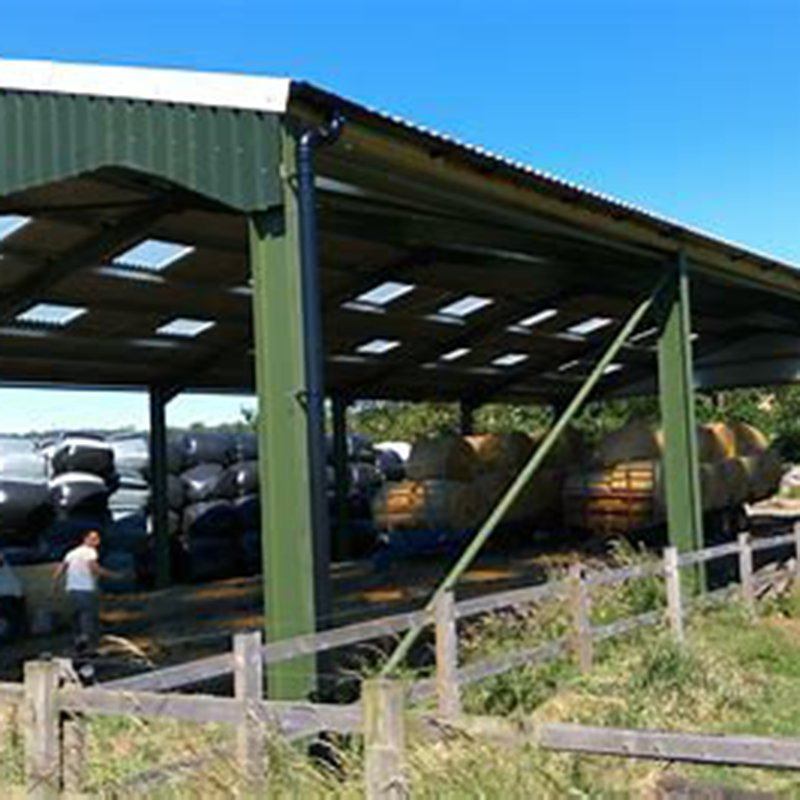
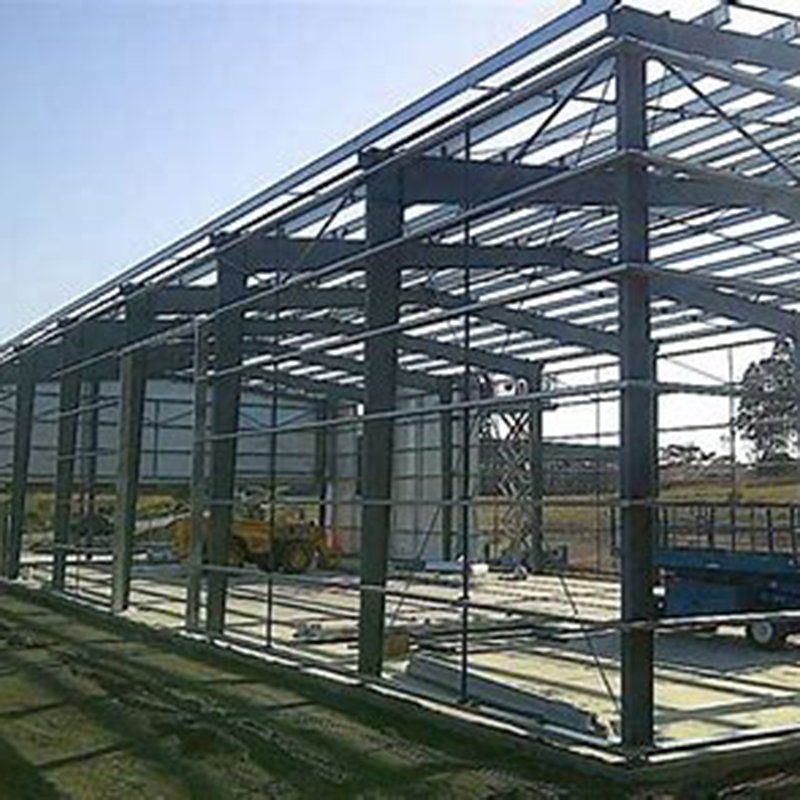
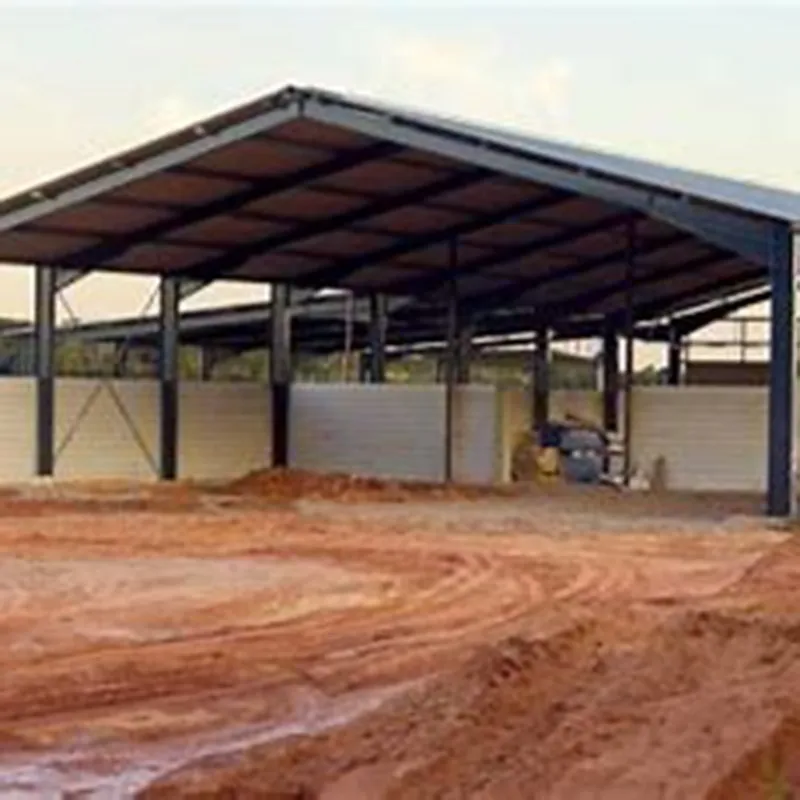
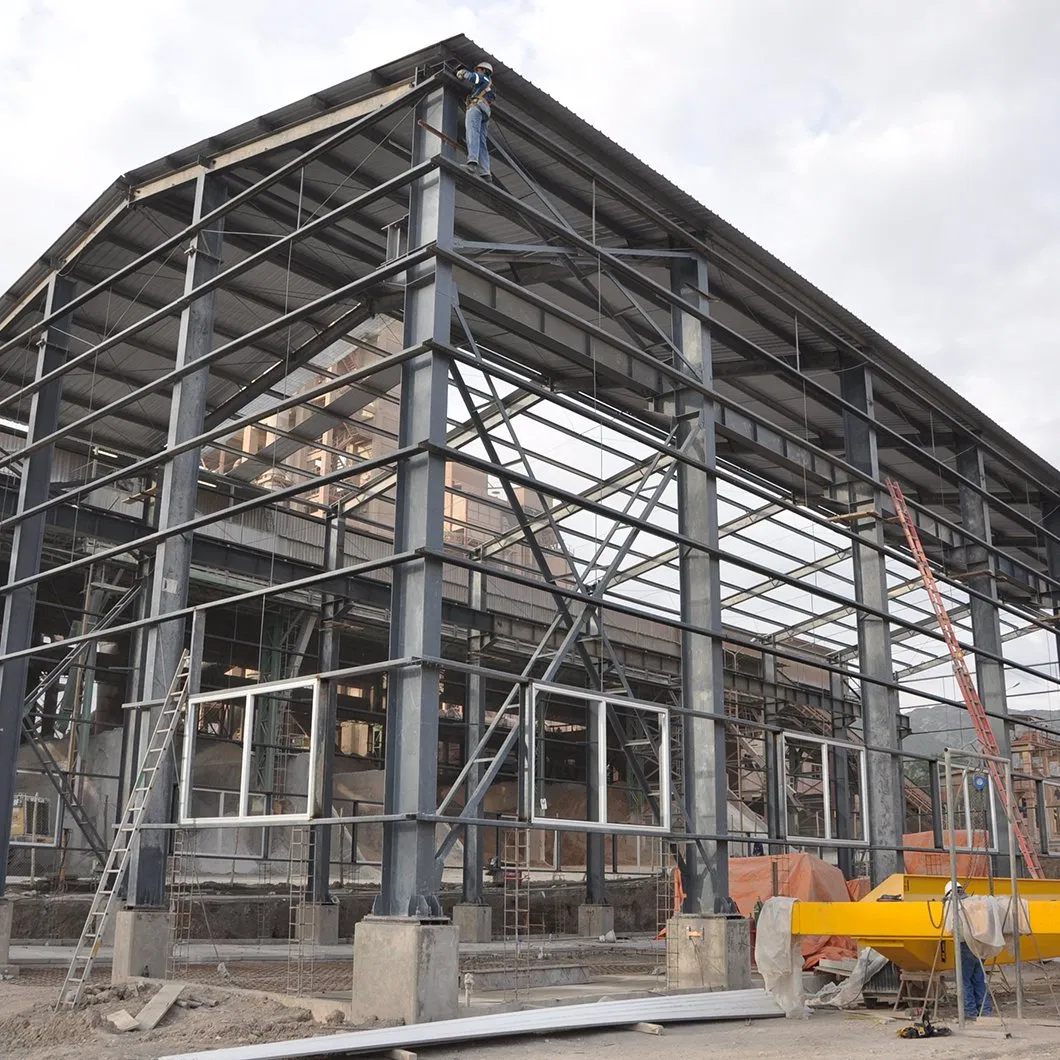
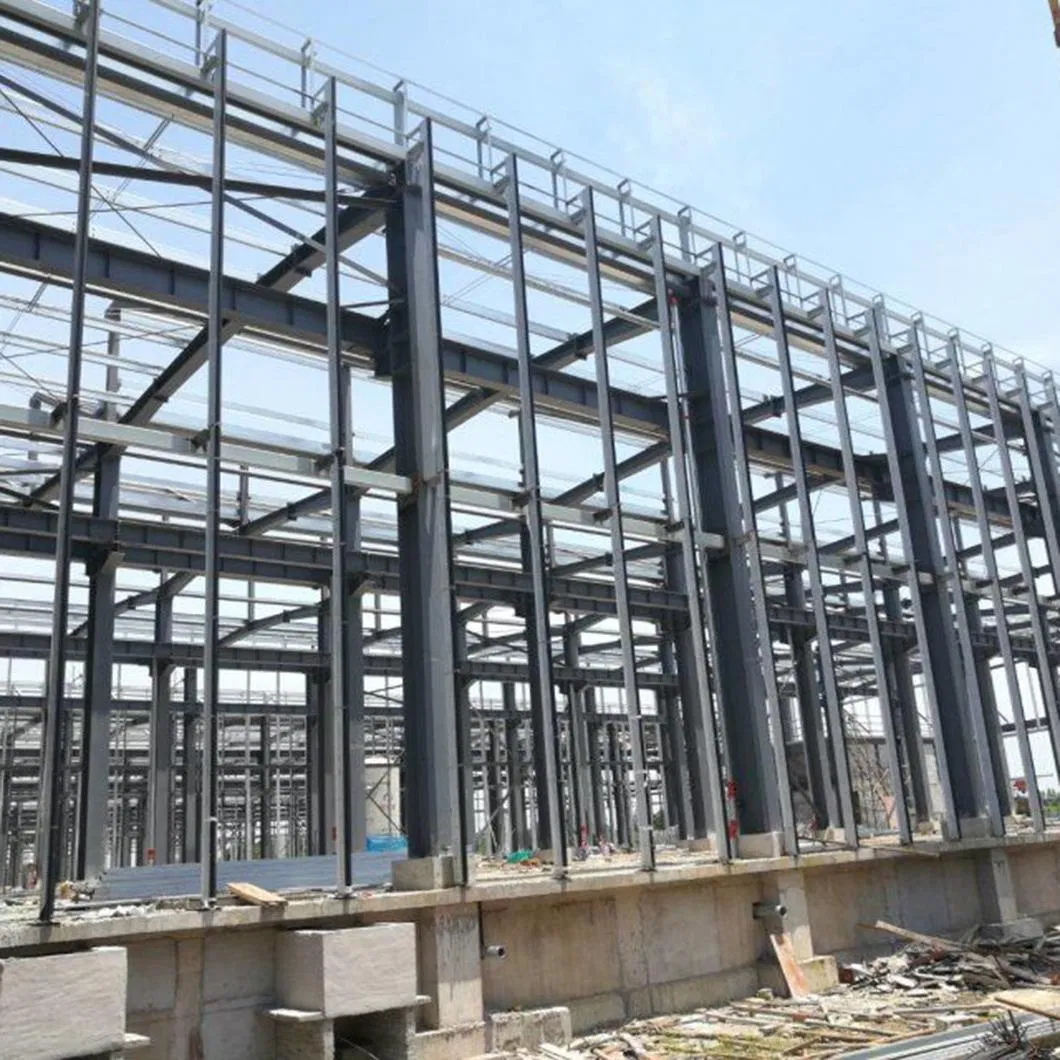
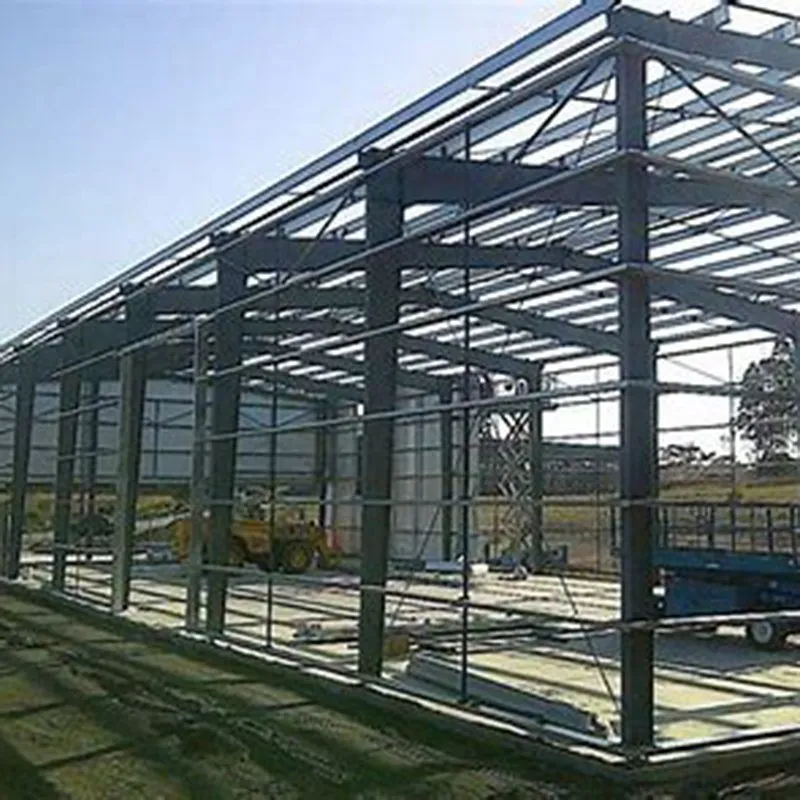
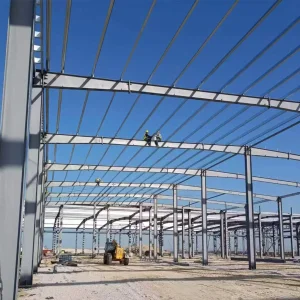
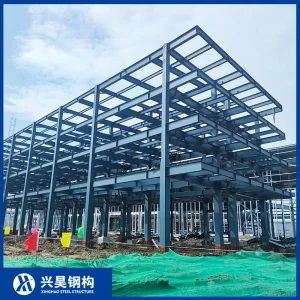
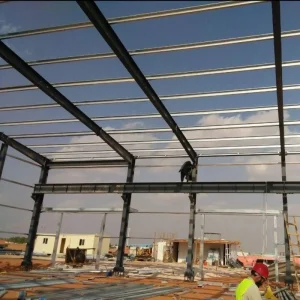
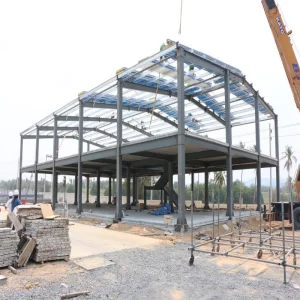
Steel structure is a structure composed of steel materials and is one of the main types of building structures. The structure is mainly composed of steel beams, steel columns, steel trusses and other components made of section steel and steel plates, and adopts rust removal and rust prevention processes such as silanization, pure manganese phosphating, washing and drying, and galvanizing. Welds, bolts or rivets are usually used to connect components or parts.
| No. |
Component |
Specification Details |
| 1 | Main steel structure | H section steel structure |
| 2 | Steel surface treatment | Painting or galvanized |
| 3 | Bracing | Angle steel, belt bar, steel bar, etc. |
| 4 | Wall and roof panel | EPS, rock wool, fiber glass, PU sandwich panel or corrugated steel plate |
| 5 | Bolts | Anchor bolts, intensive bolts, common bolts |
| 6 | Purlin | C section, Z section purlin in different size |
| 7 | Edge cover | Made of color steel plate |
| 8 | Gutter and down pipe | Color steel plate or galvanization plate, PVC down pipe |
| 9 | Crane | Capacity to lift 2 ton to 10 ton |
| 10 | Door | Sliding door, rolling door, lift door, etc. |
| 11 | Window | PVC window, aluminium window, steel window, etc. |
| 12 | Accessories | Nails, sealing glue, gasket, etc. |
Key Features & Characteristics
High material strength and light weight: Suitable for large spans, high heights, and heavy loads due to low density-to-yield strength ratio.
Uniform material and reliability: Excellent seismic performance with internal structures that are close to isotropic homogeneous bodies.
High mechanization: Components are easily manufactured in factories and assembled quickly on site, shortening the construction period.
Superior sealing: Welded structures provide excellent air and water tightness for high-pressure containers and oil pools.
Heat resistance: Performance remains stable below 150°C; insulation is recommended for higher temperatures to maintain structural integrity.
Environmental friendly: Low carbon and green; demolition produces minimal waste as steel is fully recyclable.
Our Advantages
Compared with ordinary reinforced concrete structures, steel structures have the advantages of homogeneity, high strength, fast construction speed, and high recovery rate. Under the same conditions, the weight of steel components is significantly lighter. The ductile failure nature of steel structures provides advance warning signs before damage, enhancing safety.
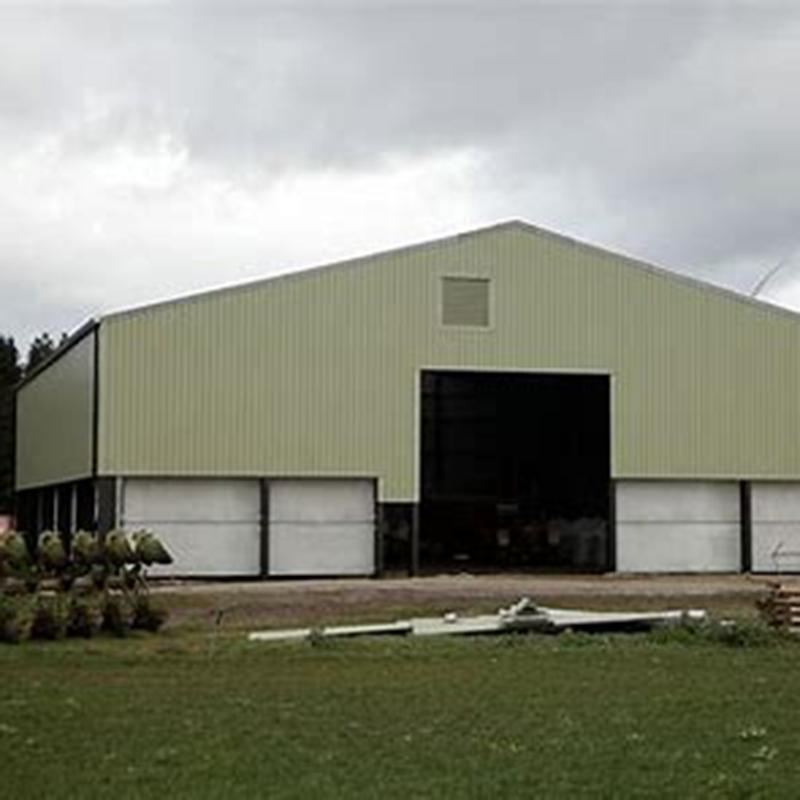
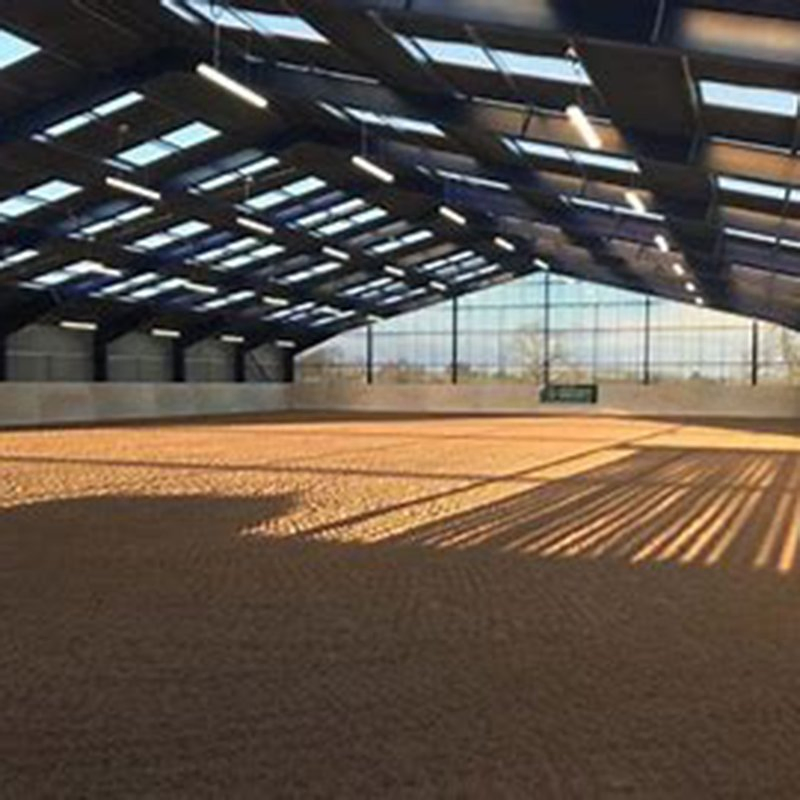
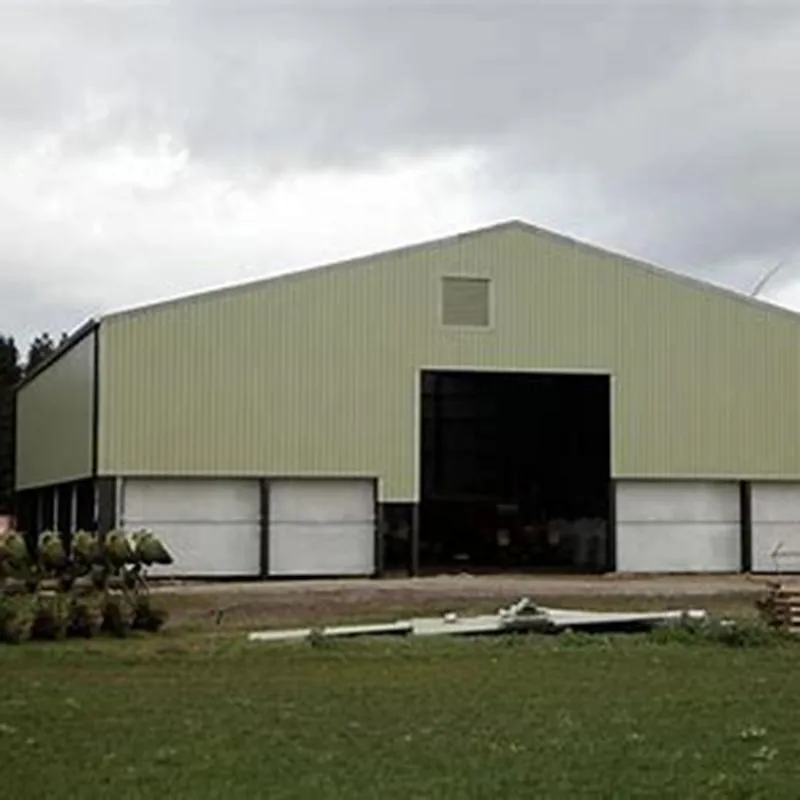
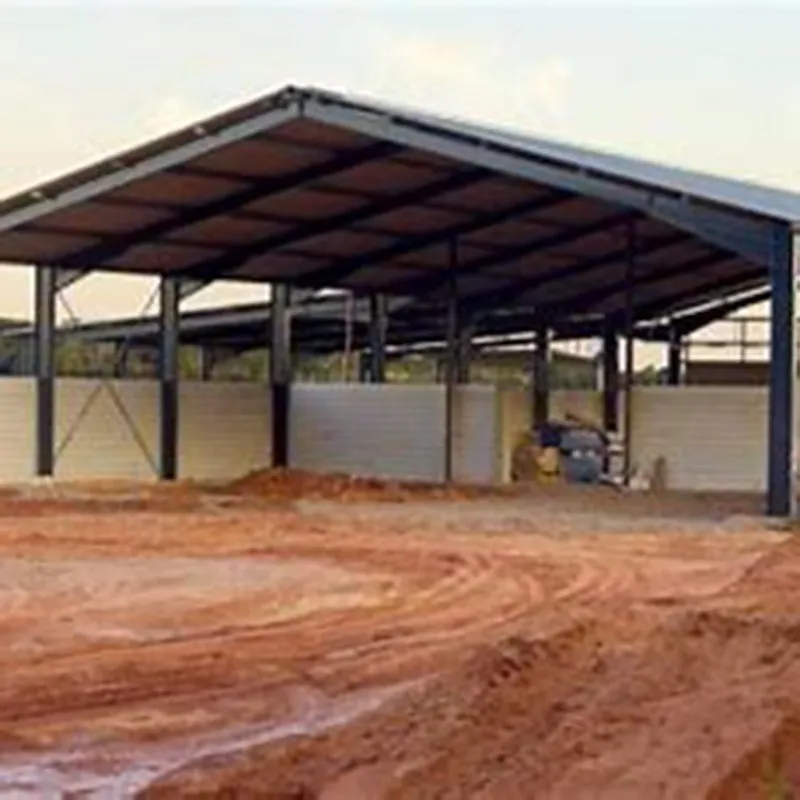
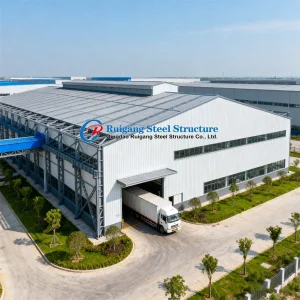
Our workshops offer overall light weight, saving on foundation costs while providing a large span, beautiful appearance, and stable structure. They are widely utilized in industrial plants, cold storages, high-rise office buildings, and residential structures.
Installation Instructions
Prefabrication of steel elements:
The prefabrication and assembly of steel components are carried out on steel platforms according to strict installation sequences. Welding quality is paramount. The distance between splicing flange plate seams and web splicing seams should exceed 200mm. Flange plate splicing length should be at least 2 times the plate width, while web splicing width should be no less than 300mm and length no less than 600mm.
Frequently Asked Questions
What are the primary benefits of choosing steel for construction?
Steel offers high strength-to-weight ratio, rapid construction speed, excellent seismic resistance, and is environmentally friendly as it is 100% recyclable.
How is the steel protected against corrosion?
Common methods include derusting followed by galvanizing or painting. For offshore or wet environments, specialized measures like zinc block anode protection are used.
Is the steel structure fire-resistant?
Steel is heat-resistant but loses strength at high temperatures (around 600°C). In specific cases, refractory materials are applied to improve fire resistance ratings.
What types of buildings are suitable for steel structures?
They are ideal for large-span industrial workshops, warehouses, high-rise buildings, multi-storey parking lots, and bridges.
Does a steel structure building produce construction waste?
No, the demolition of steel structures produces almost no construction waste because the material can be completely recycled and reused.
What connection methods are used in assembly?
Components are typically connected using high-precision welding, high-strength bolts, or rivets depending on the design requirements.
 PYO Homes