PYO Homes
1 / 5
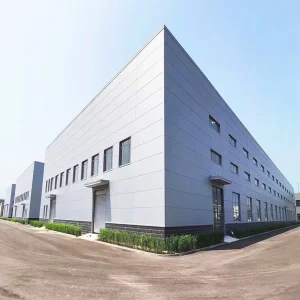
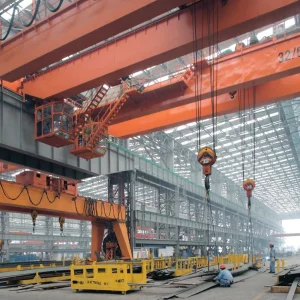
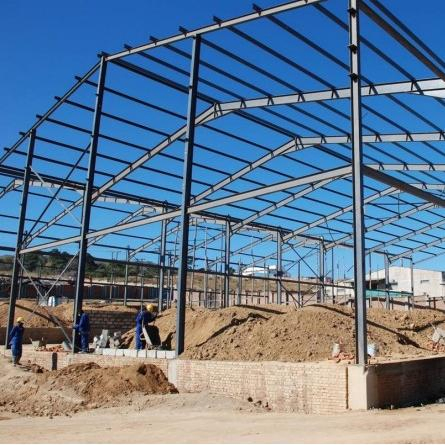
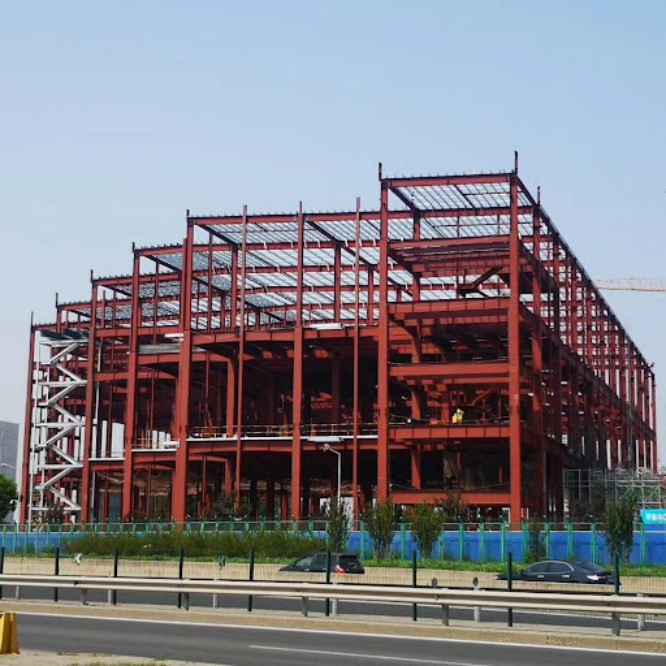
Prefabricated Light Steel Structure Building for Warehouse Design
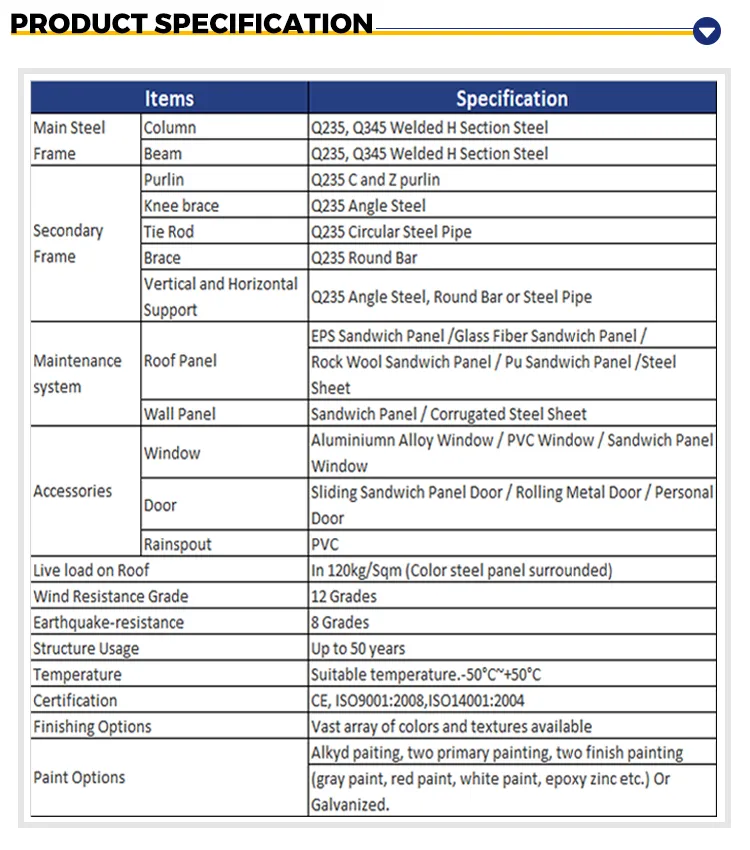
| 1 | Location (Build Site) | _____country, area |
| 2 | Size: Length * Width * Height | _____m * _____m * _____m |
| 3 | Wind Load (Max Speed) | _____km/h |
| 4 | Snow Load (Max Height) | _____kn/m2, _____mm |
| 5 | Anti-earthquake Level | _____level |
| 6 | Usage of the building | Industrial/Storage/Workshop |
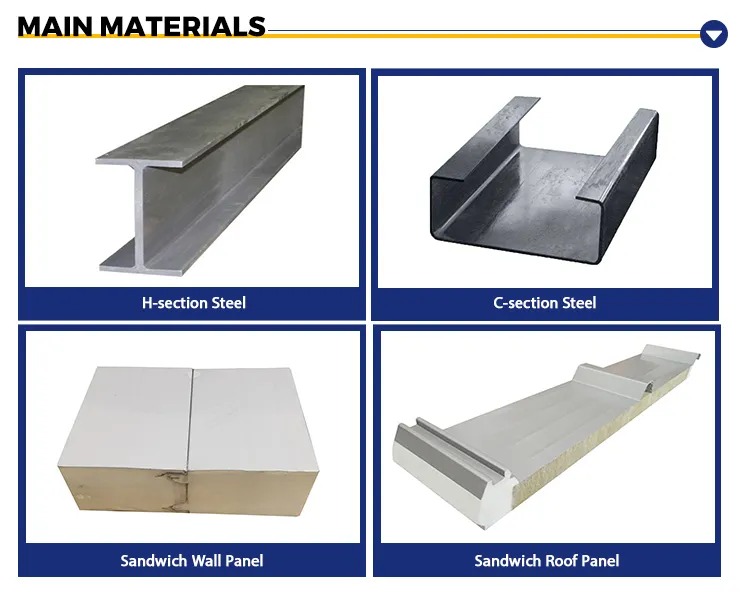
| 7 | Roof and Wall Panels | Sandwich panel (EPS, Fiberglass, Rockwool, PU) or Corrugated steel sheet |
| 8 | Brickwall Needed | If yes, 1.2m or 1.5m high? |
| 9 | Crane Needed | Units, max lifting weight (tons), max lifting height (m) |

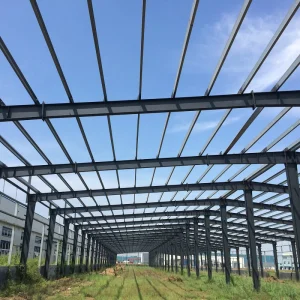
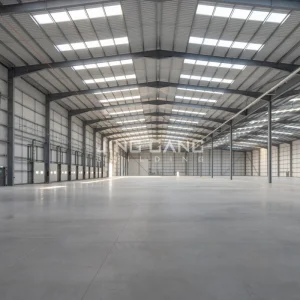
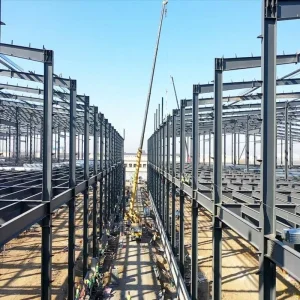
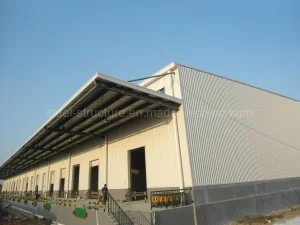
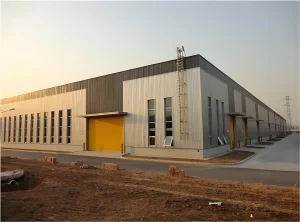
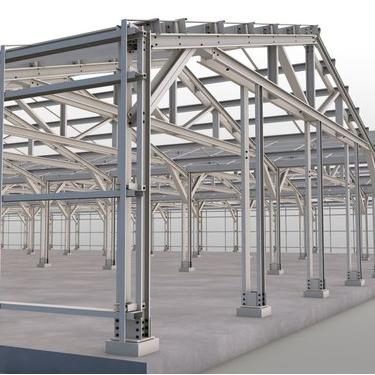
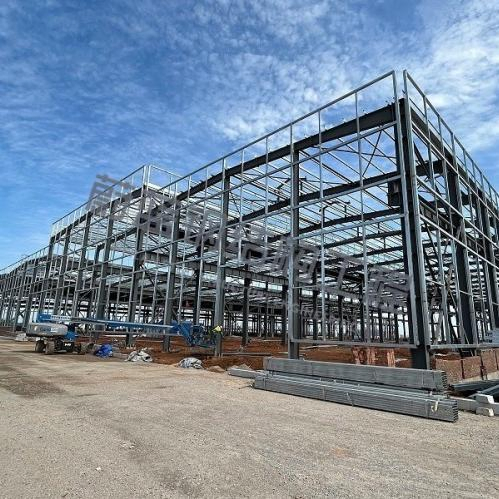
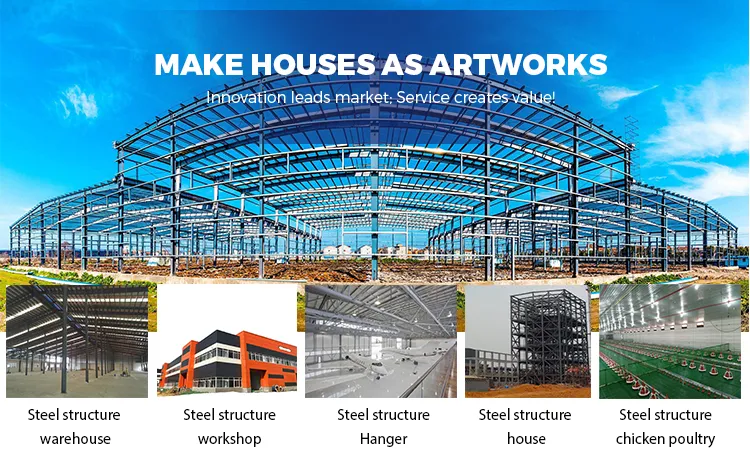
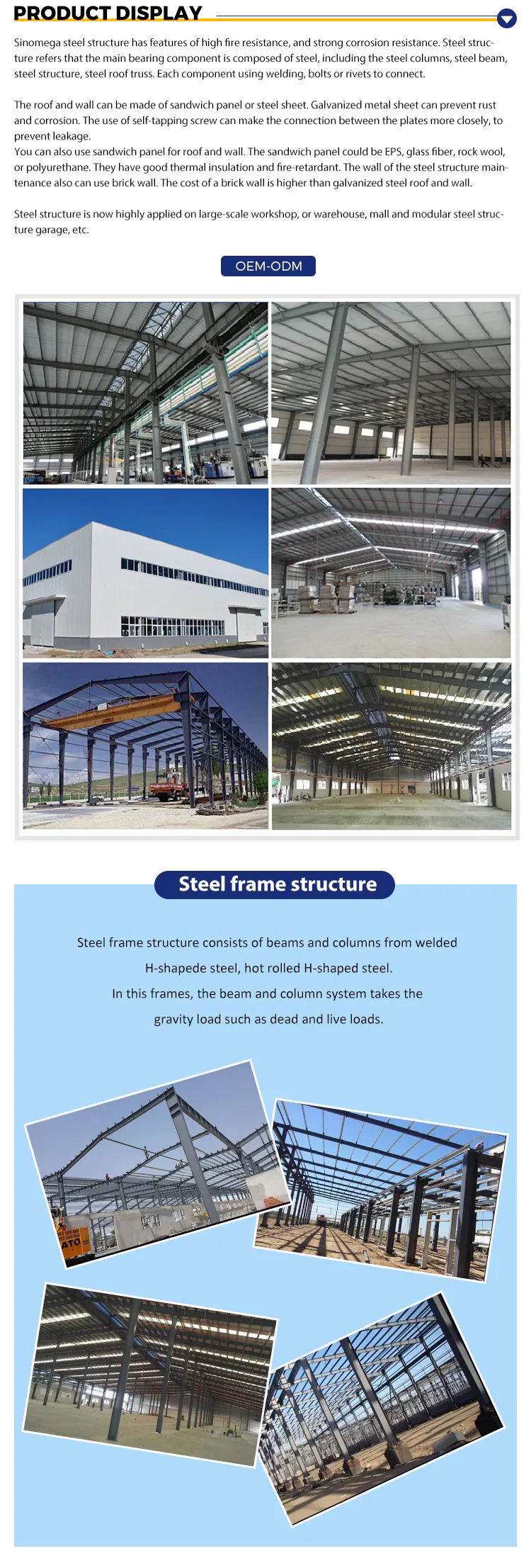
Steel structures represent a pivotal category in modern construction, offering a blend of strength, durability, and adaptability. These frameworks are meticulously crafted in controlled factory environments before being transported to the site for assembly. The adaptability of steel allows for a vast array of designs and finishes.
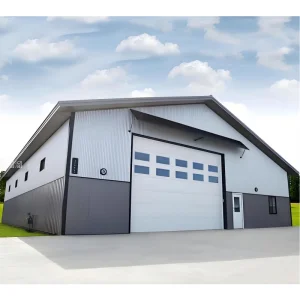
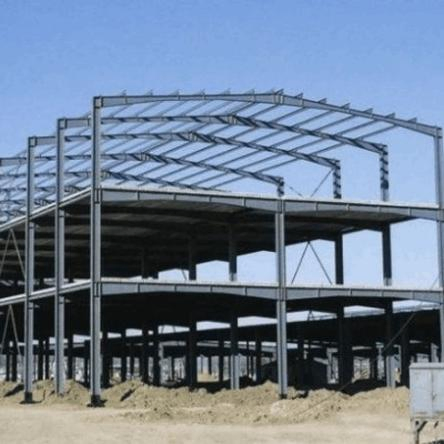
The design of steel structures is a testament to their flexibility. Customers can select from a variety of configurations, including flat, single slope, and arched roofing styles. Customization ensures structures are tailored to specific dimensions and local environmental conditions.
Structures made of steel are equipped with features such as gutters and downpipes for efficient rainwater harvesting. The steel used is often galvanized or coated to enhance its resistance to corrosion, and fire-resistant materials are commonly employed to enhance safety.
Durability is a hallmark of steel structures. Many constructions are designed to be earthquake-resistant, with some capable of withstanding seismic events up to grade 9. Additionally, they are engineered to resist high wind speeds, ensuring stability in adverse weather.
Sustainability is an integral aspect, with many buildings incorporating eco-friendly features. The materials used contribute to longevity and support green initiatives through natural ventilation systems and rainwater collection.