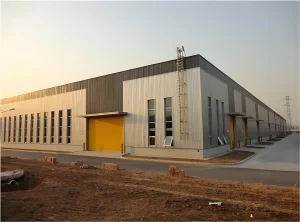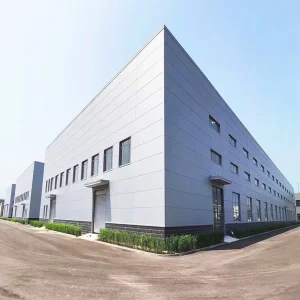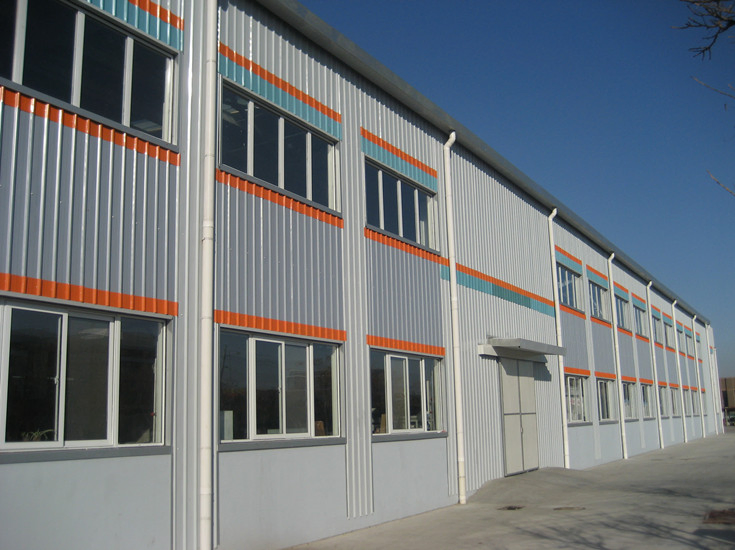
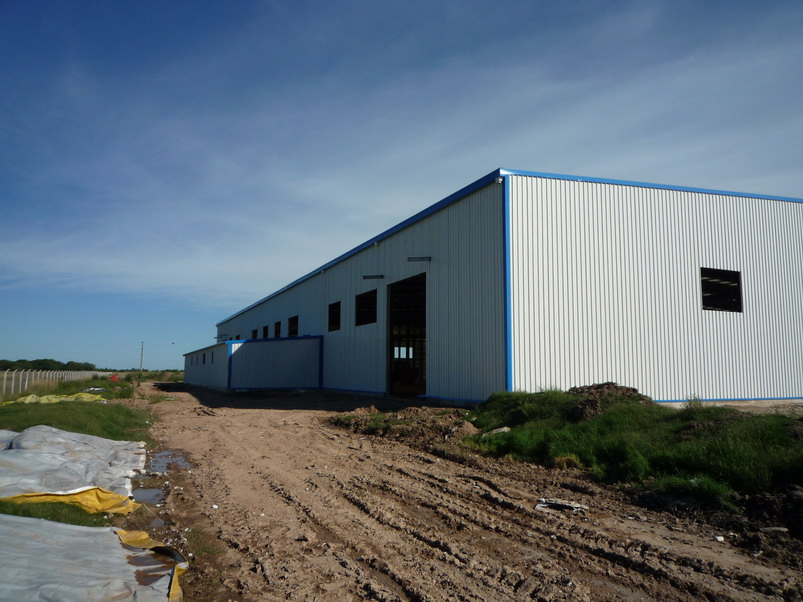
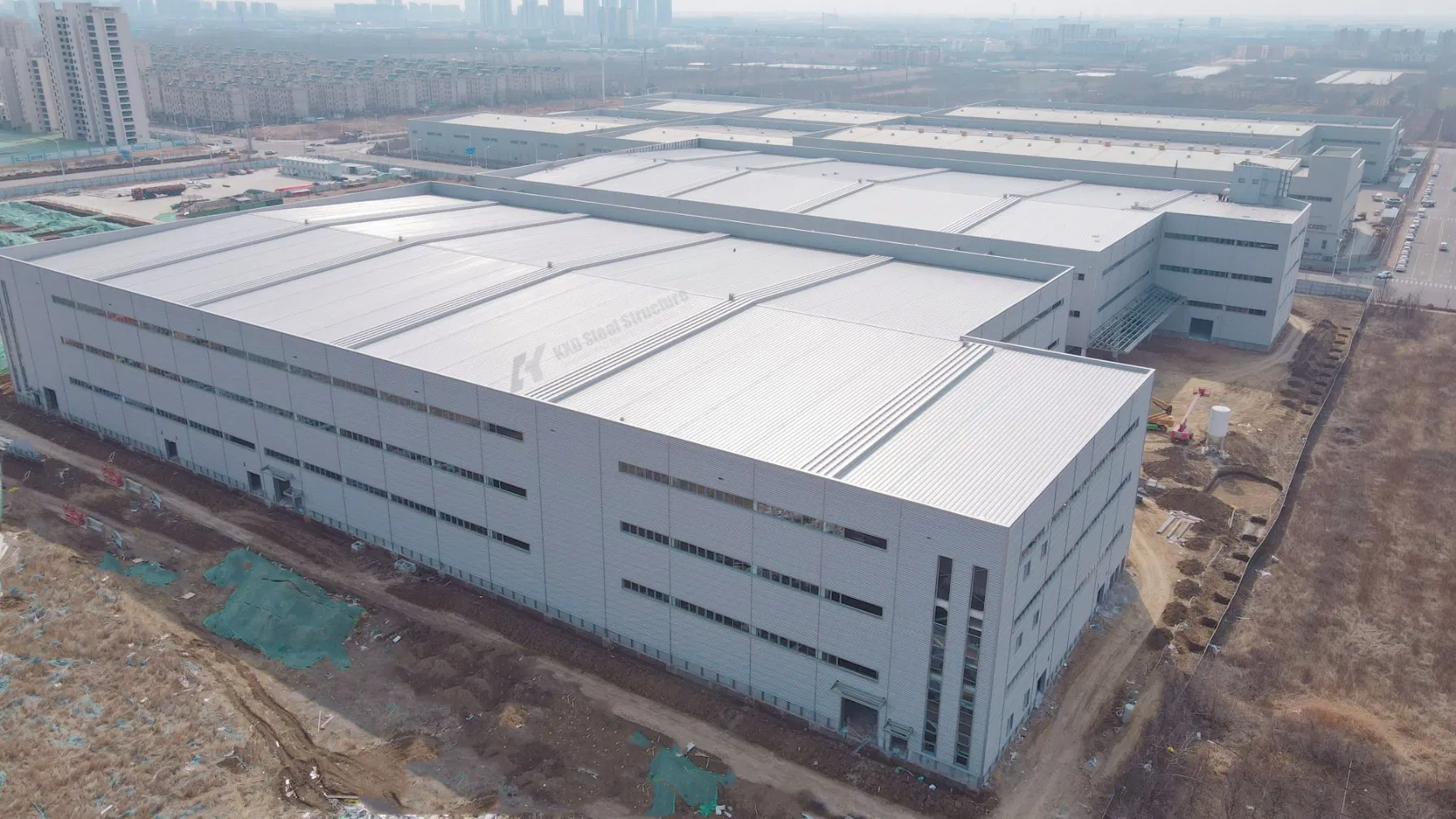
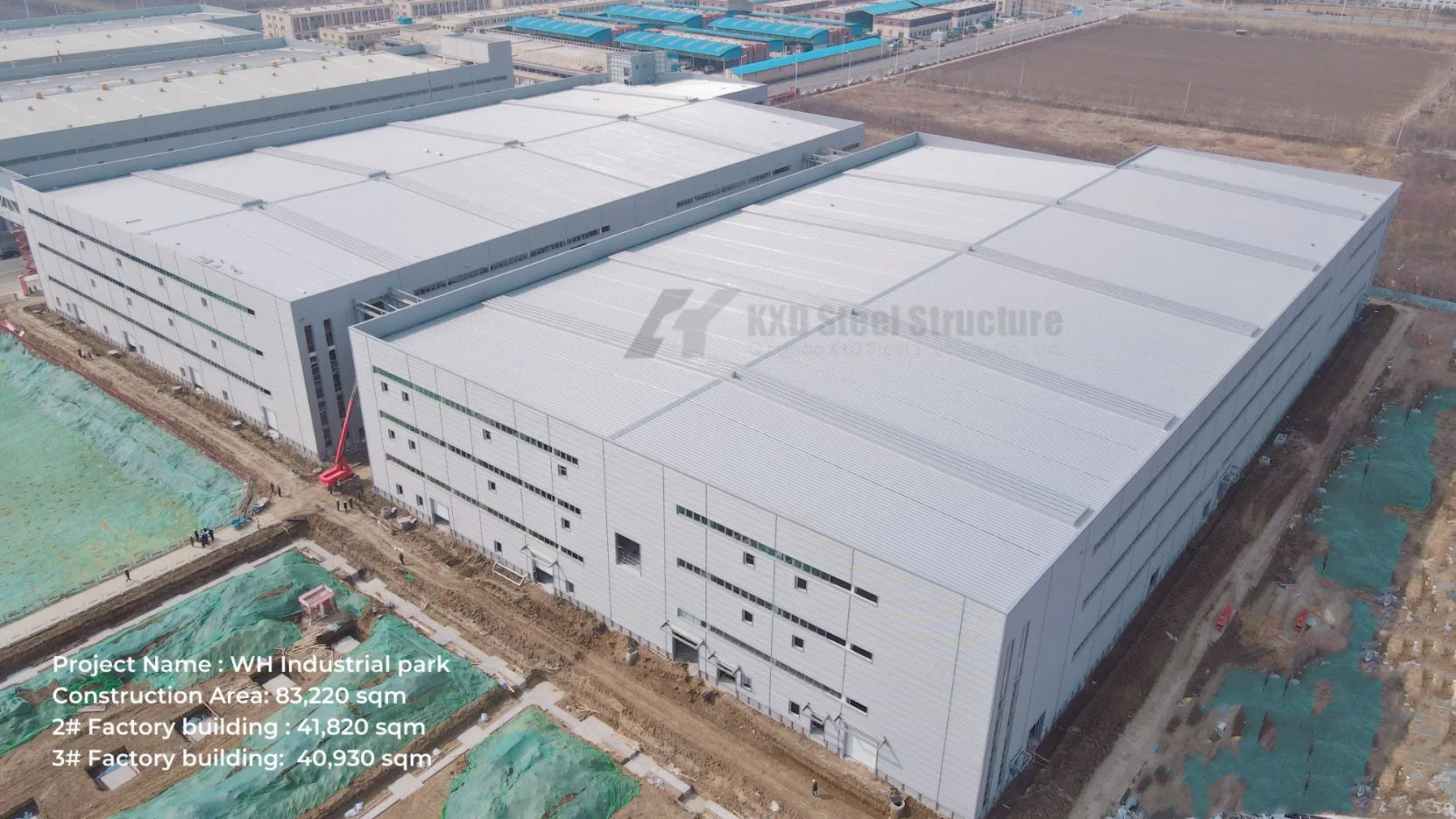
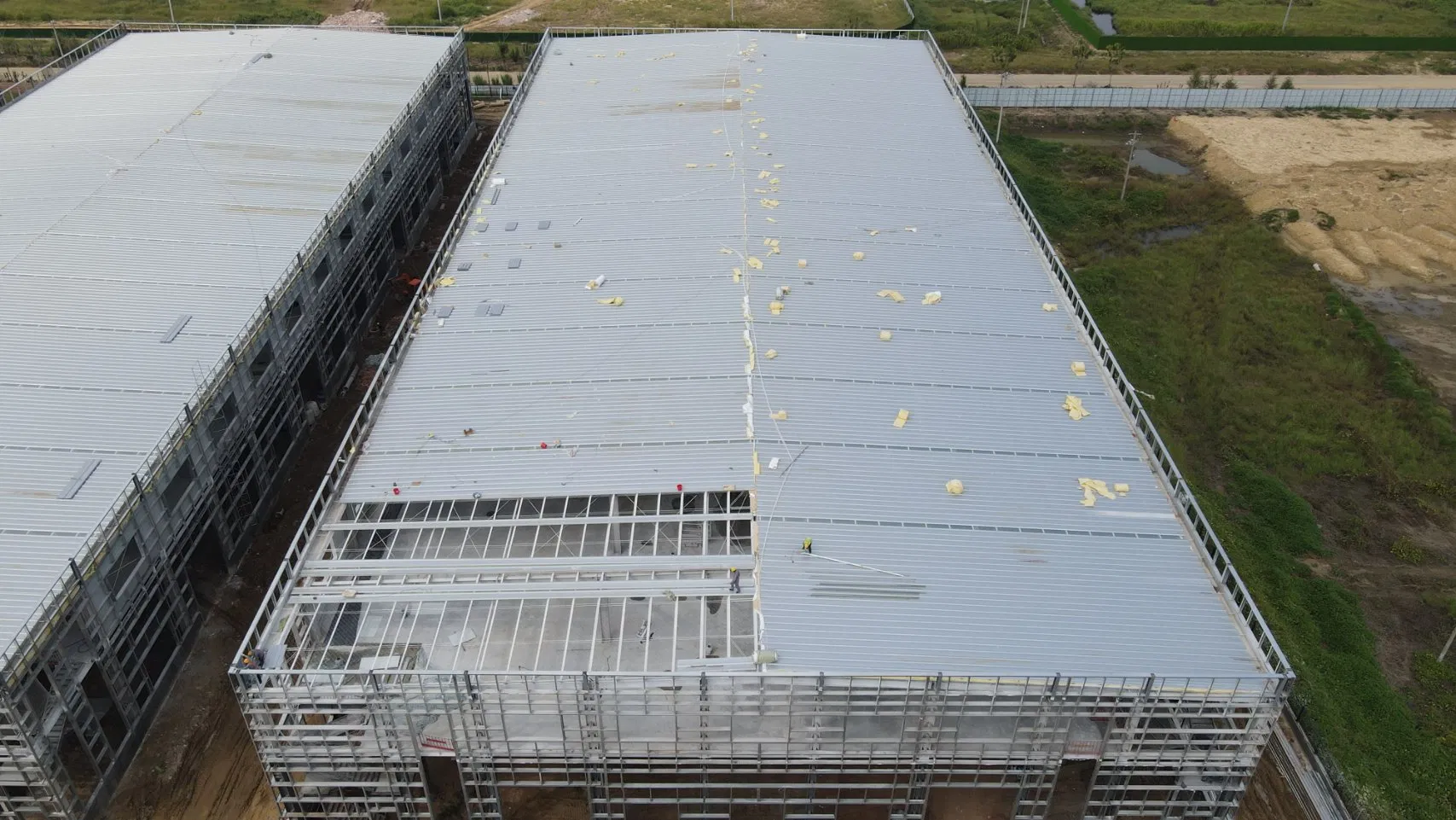
Prefabricated Industrial Steel Frame Structure Factory Building Construction

Customization: Available
Usage: Villa
Size: According to Customers' Requirement

Product Description

Basic Information
Model NO.
KXD-SSB1355
Color Reference
Ral
Engineering Team
20 Members
Quality Control
Daily Inspection
Life Cycle
80 Years
Construction Period
60 Days
Project Management
Turnkey Solution
Material
Steel Structure
Certification
ISO, CE, SGS
Warranty
30-Year Limited Warranty
Transport Package
Flat Pack
Production Capacity
600 sets / Month
Product Description
What is a Pre-Engineered Steel Building?

Pre-engineered steel buildings are steel structures built over a structural concept of primary members, secondary members, roof and wall sheeting connected to each other and various other building components.

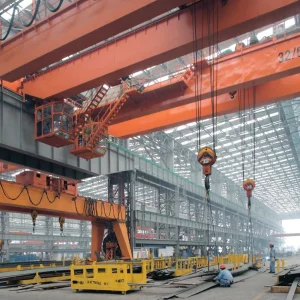
These buildings can be provided with different structural and non-structural additions such as skylights, wall lights, turbo vents, ridge ventilators, louvers, roof monitors, doors & windows, trusses, mezzanine floors, fascias, canopies, crane systems, insulation etc., based on requirements. All buildings are custom designed to be lighter in weight and high in strength.
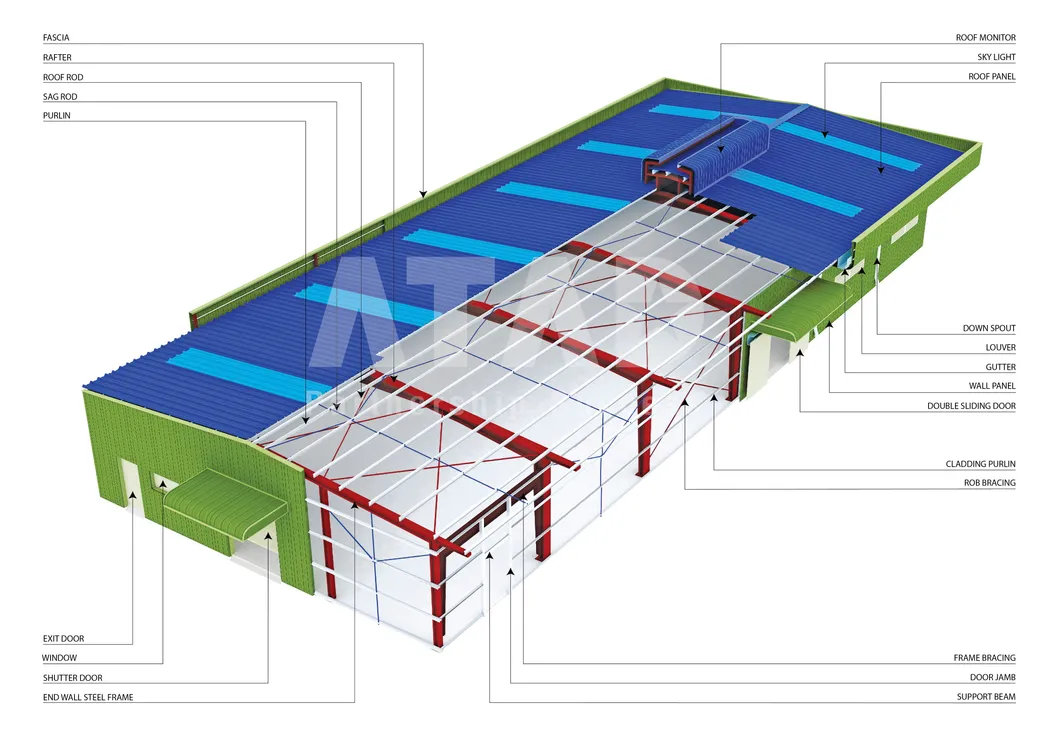
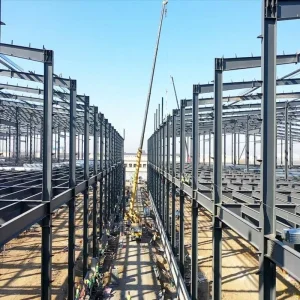
Prefabricated Industrial Steel Frame
Applications of Pre-Engineered Steel Buildings

Pre-Engineered Buildings (PEBs) are the most flexible solutions for contractors and owners. With advantages of low cost, high durability, perfect quality control, and fast erection, they are used for:
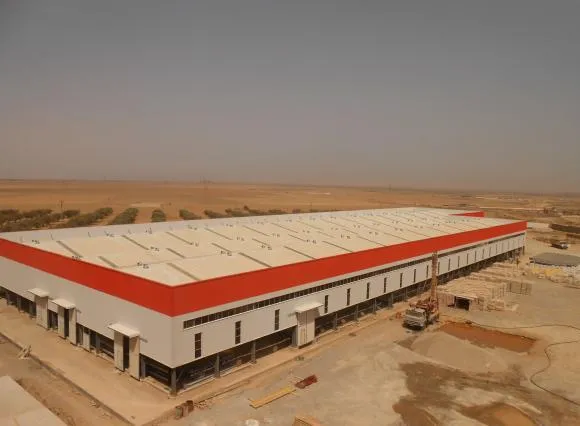
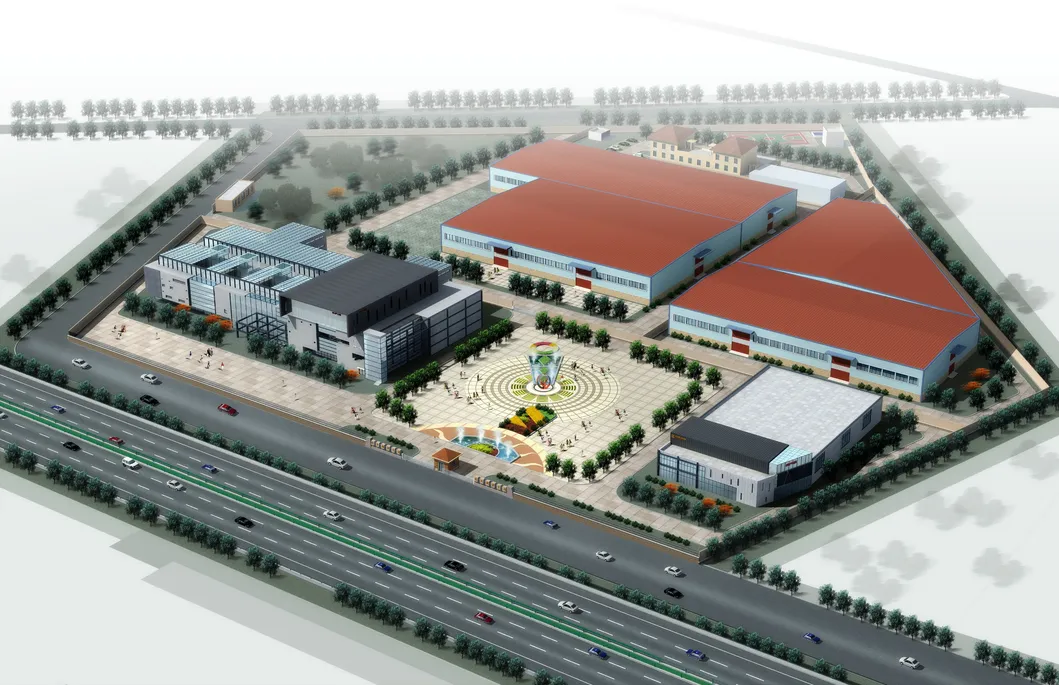
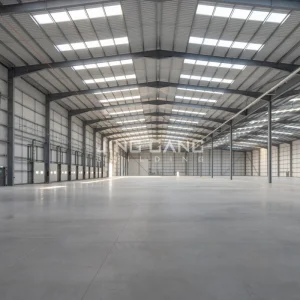
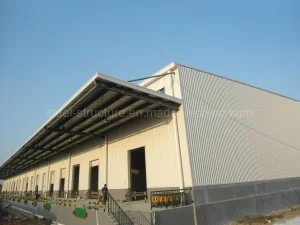
  • Industrial: Factories, Workshops, Warehouses, Cold Storages, Steel Mills, Assembly Plants
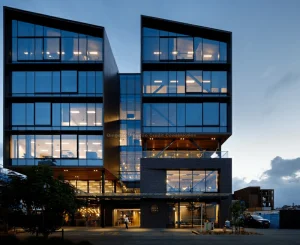
  • Commercial: Showrooms, Supermarkets, Offices, Shopping Centers, Exhibition Halls, Restaurants, Logistic Centers
  • Public: Schools, Hospitals, Conference Halls, Laboratories, Museums, Stadiums
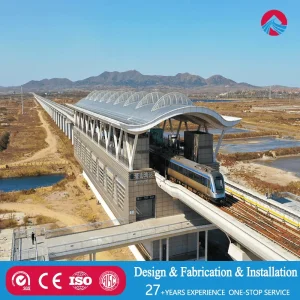
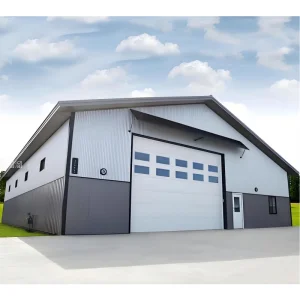
  • Others: Farms, Utility Shelters, Pump Stations, Aircraft Hangars, Airport Terminals
Key Advantages

🚀 Cost Savings: Price per square meter can be 25%-30% lower than conventional steel buildings.

🚀 Quick Erection: All components are pre-fabricated and bolted on-site, reducing construction time by 60% compared to traditional concrete buildings.

🚀 Flexibility: Easy to expand in the future with low transportation costs.

🚀 Energy Efficiency: A green solution with CO2 reduction and high recyclability.
Main Components
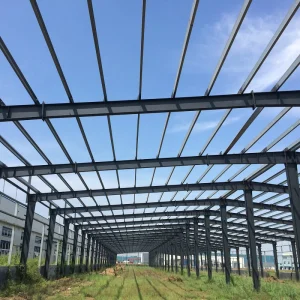
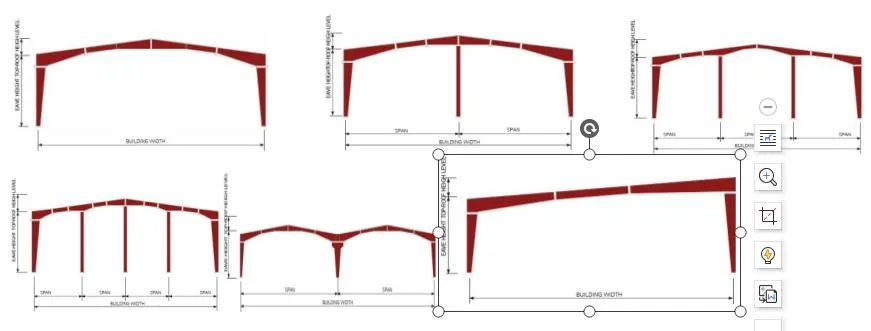
  • Primary Members: Columns, rafters, and main load-carrying frames.
  • Secondary Members: Purlins, girts, eave struts (Cold formed steel).
  • Roof & Wall Panels: Galvanized steel sheets or sandwich panels.
  • Accessories: Anchor bolts, fasteners, gutters, doors, and windows.
Steel Structure Components
Manufacturing & Quality Control

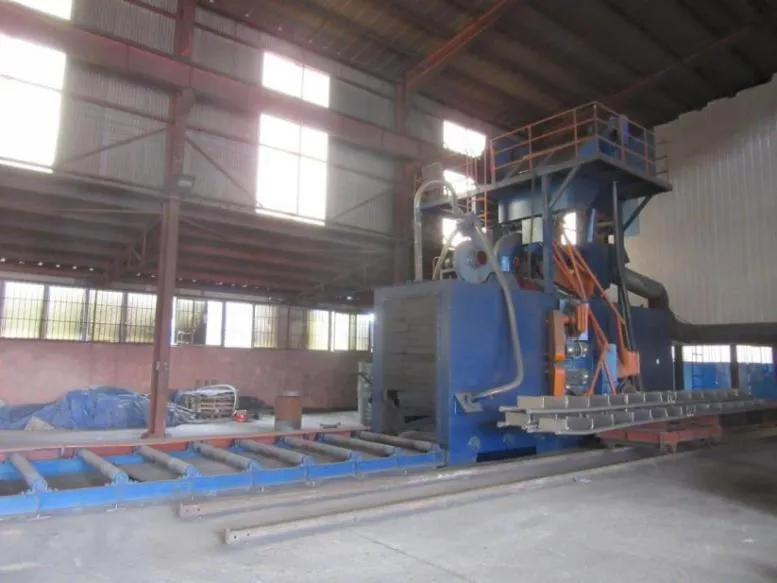
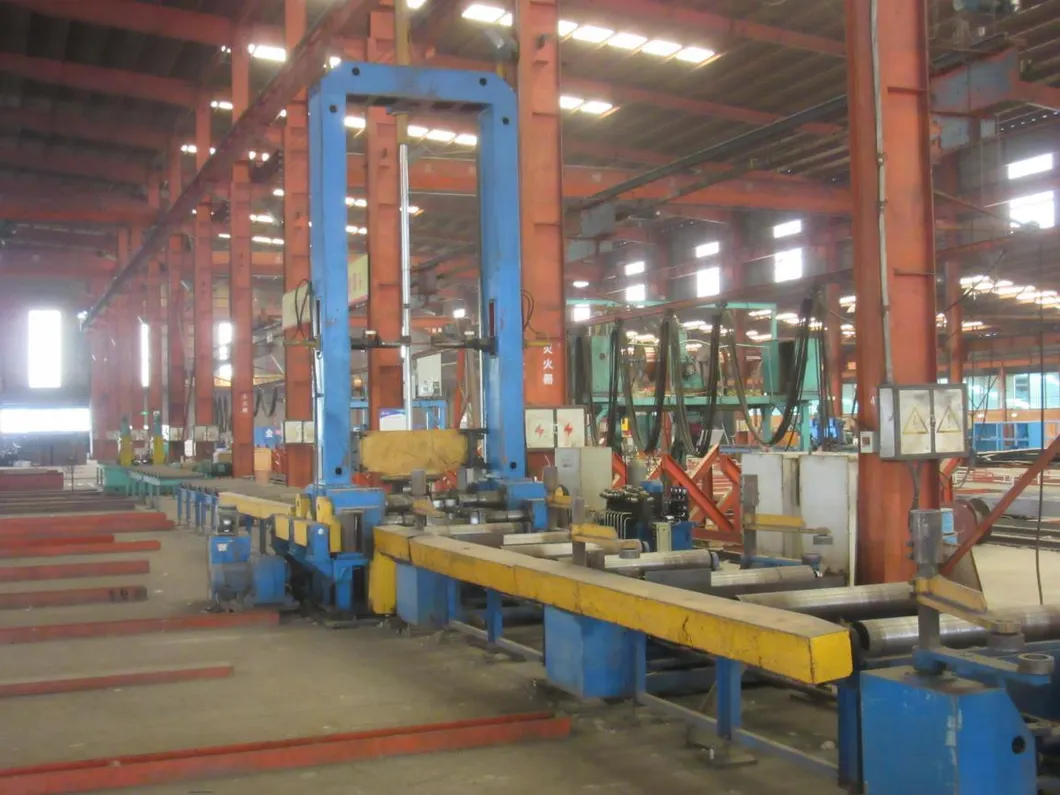
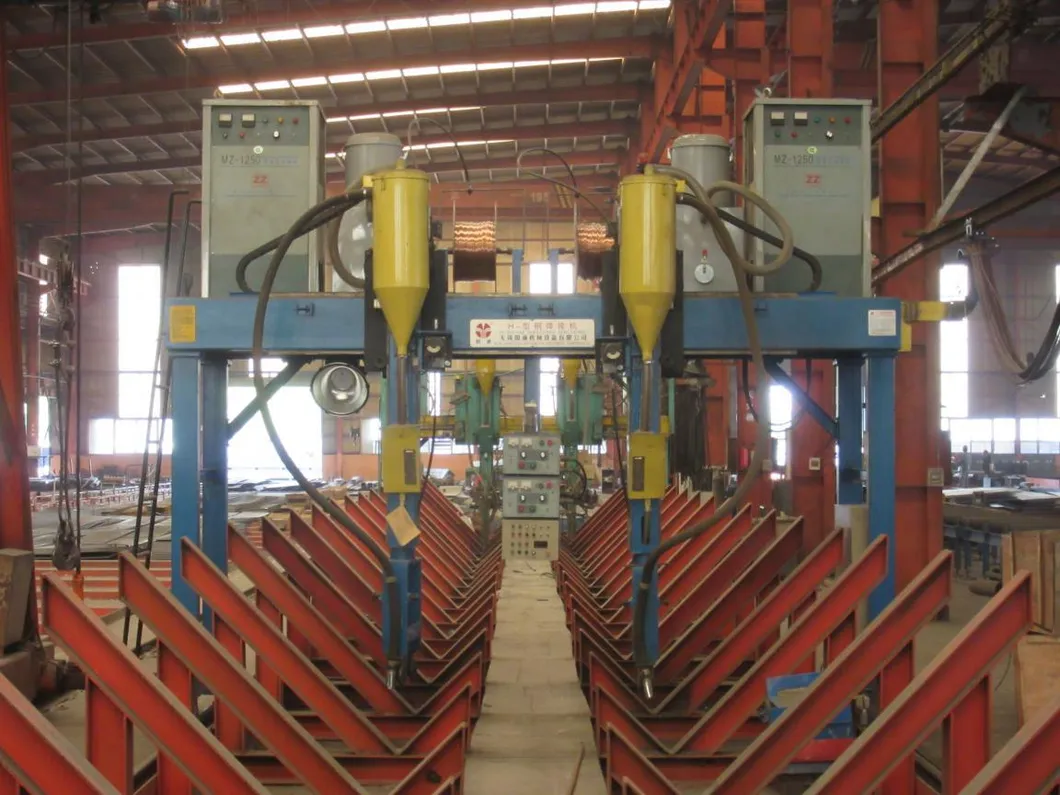
The fabrication process follows strict guidelines including material receiving, automated blasting, and precision painting. We utilize advanced CNC equipment for plate cutting and automated submerged arc welding to ensure structural integrity.
Technical Weld Standards
Form of Fillet Weld Leg K (Fillet Weld Size) Value Application Note
Fillet weld without groove K=(0.7~1)t and ≤15mm Standard steel structure buildings
Secondary members K=(0.5~0.6)t Strengthening ribs and secondary parts
Fillet weld with groove (CJP/PJP) K=t/4 and K≤10mm General structural connections
Applicable International Codes
  • GB50009-2012: Load code for the design of building structures.
  • GB50017-2017: Code for design of steel structures.
  • GB50205-2001: Code for acceptance of construction quality.
  • JGJ81-2002: Technical specification for welding of steel structures.
Frequently Asked Questions (FAQ)
What are the main benefits of choosing a pre-engineered steel building?
Pre-engineered buildings offer significant cost savings (25-30% lower than traditional steel), faster erection times (60% quicker than concrete), and high design flexibility for future expansion.
How long is the typical construction period for a steel building?
A standard project usually requires around 60 days for construction, thanks to pre-fabricated components that are simply bolted together on-site.
What is the expected lifespan of these structures?
These steel buildings are designed for a long life cycle, typically reaching up to 80 years with proper maintenance.
Can the building design be customized?
Yes, all buildings are 100% customized according to the client's requirements, including dimensions, load capacities, and non-structural additions like mezzanines or crane systems.
Are the materials compliant with international standards?
Absolutely. We strictly follow ISO, CE, and various GB standards (like GB50017 and GB50205) for material quality, design, and fabrication.
What kind of maintenance is required for the steel structure?
The structures are highly durable. Most maintenance involves routine checks of the protective coatings (paint or galvanization) and ensuring drainage systems like gutters remain clear.

Related Products