PYO Homes
1 / 5
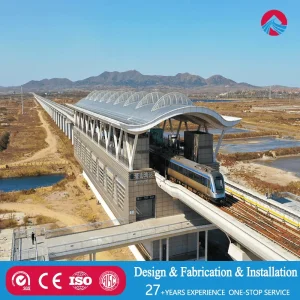
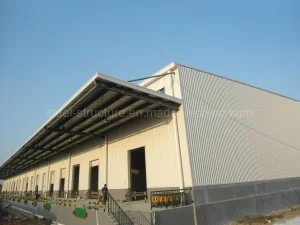
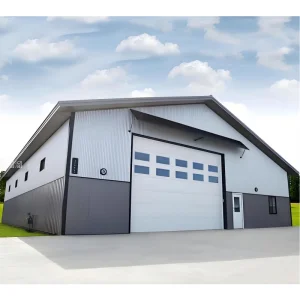
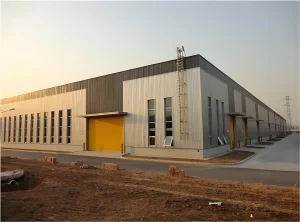
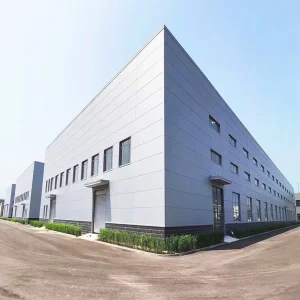
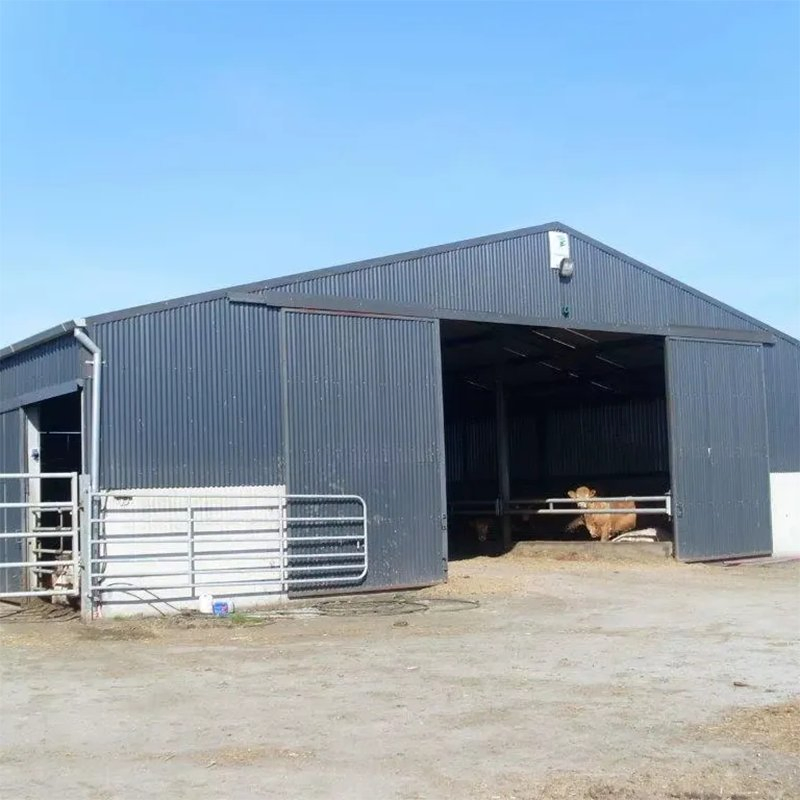
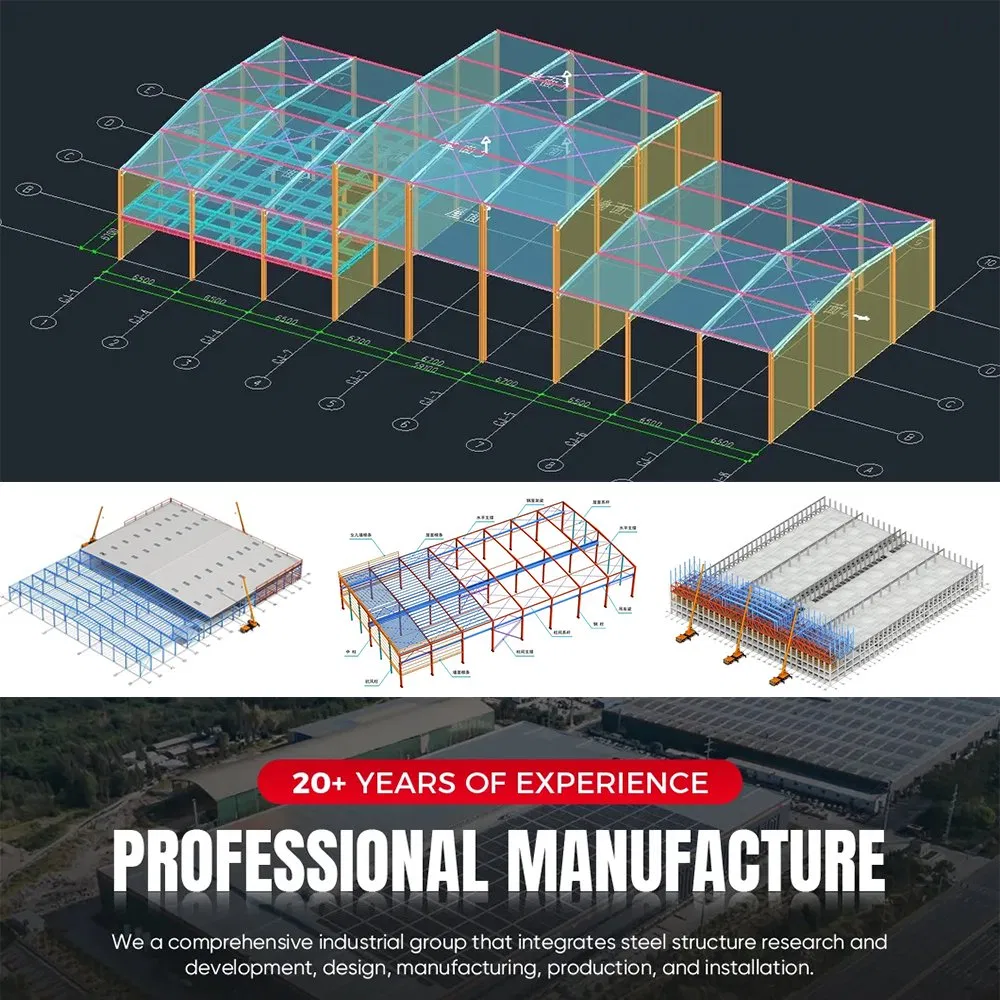
The application of steel structure technology helps promote green development and meets sustainable needs. It chooses more energy-saving materials, extends the durability of buildings, and realizes efficient resource exploitation.
It possesses strong bearing capacity and can withstand heavy loads. In seismic events, it effectively reduces material interaction, ensuring building stability and safety.
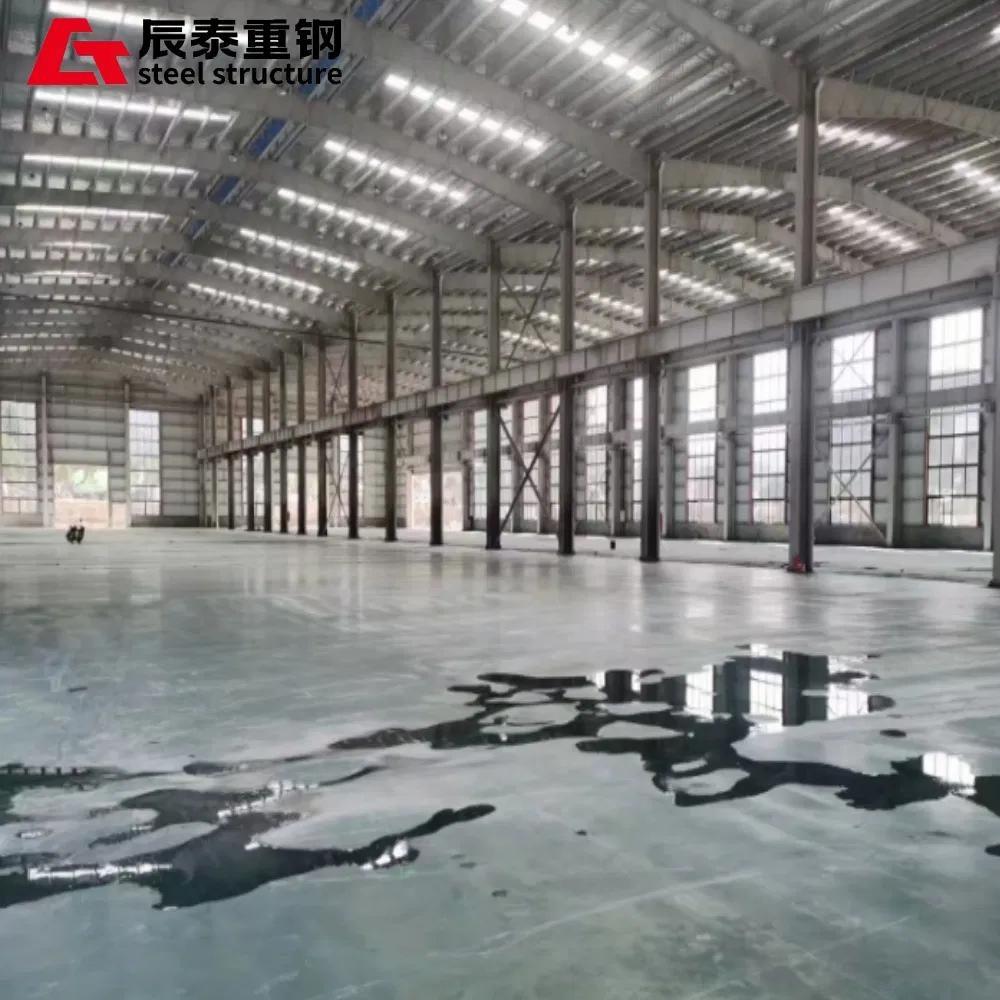
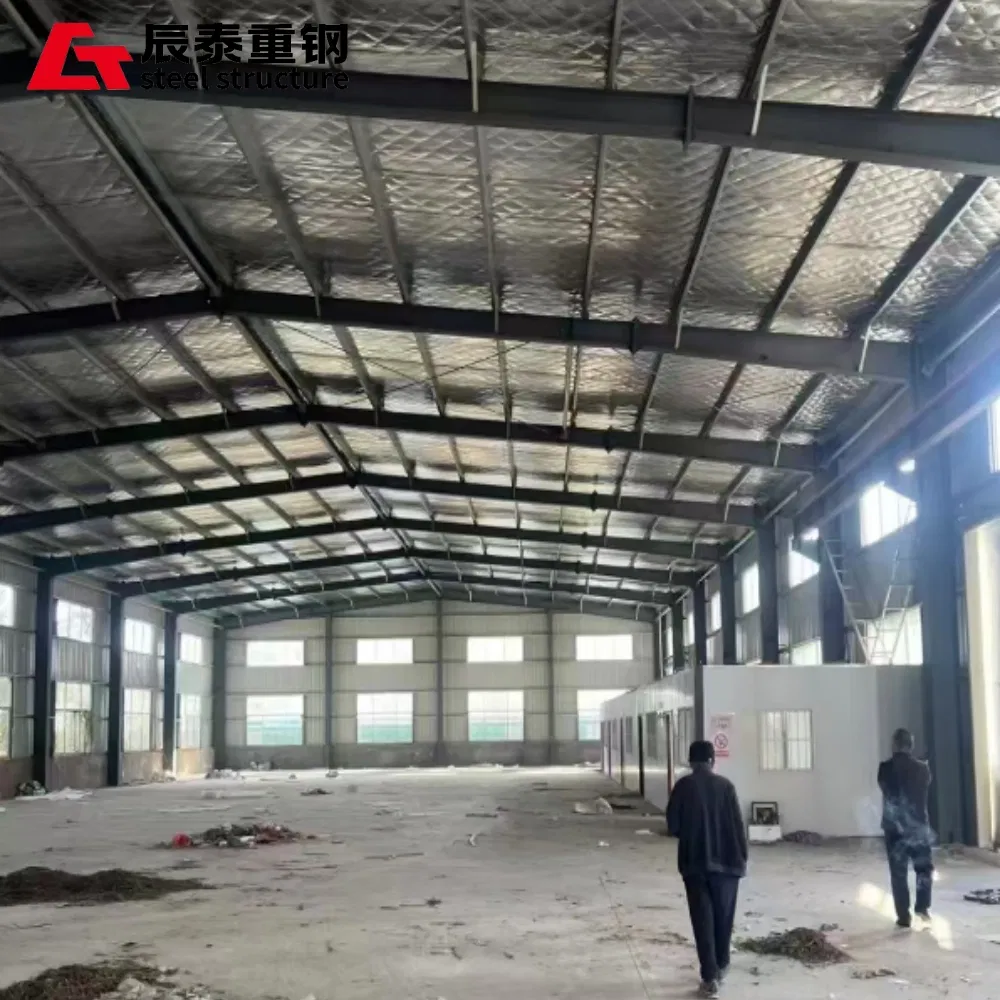
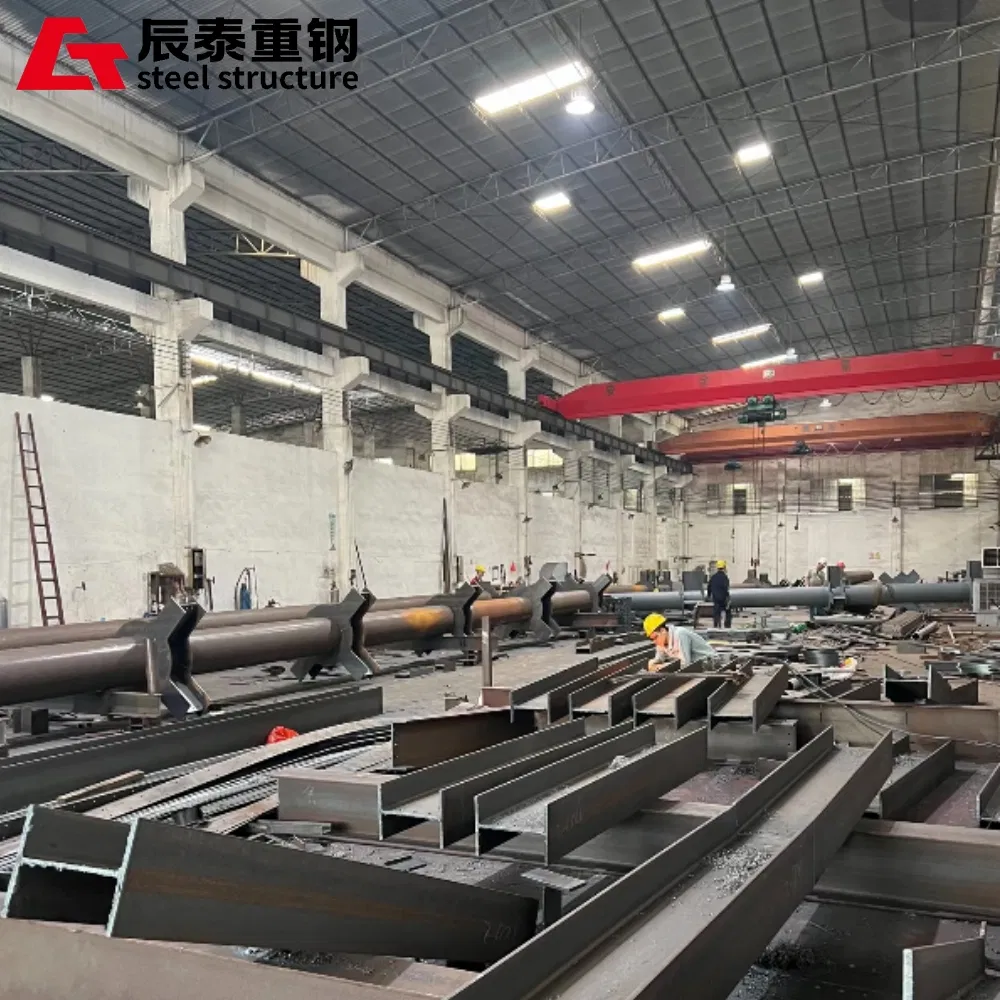
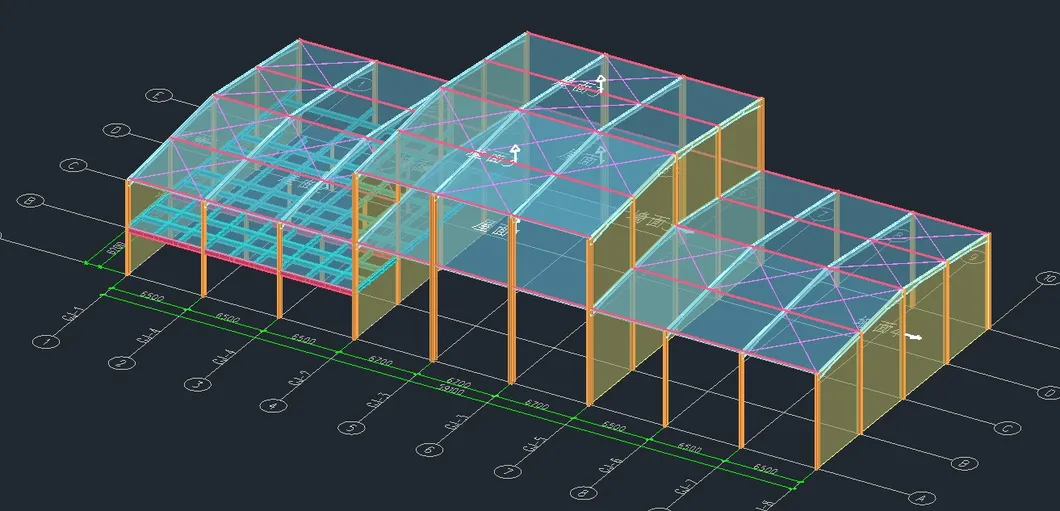
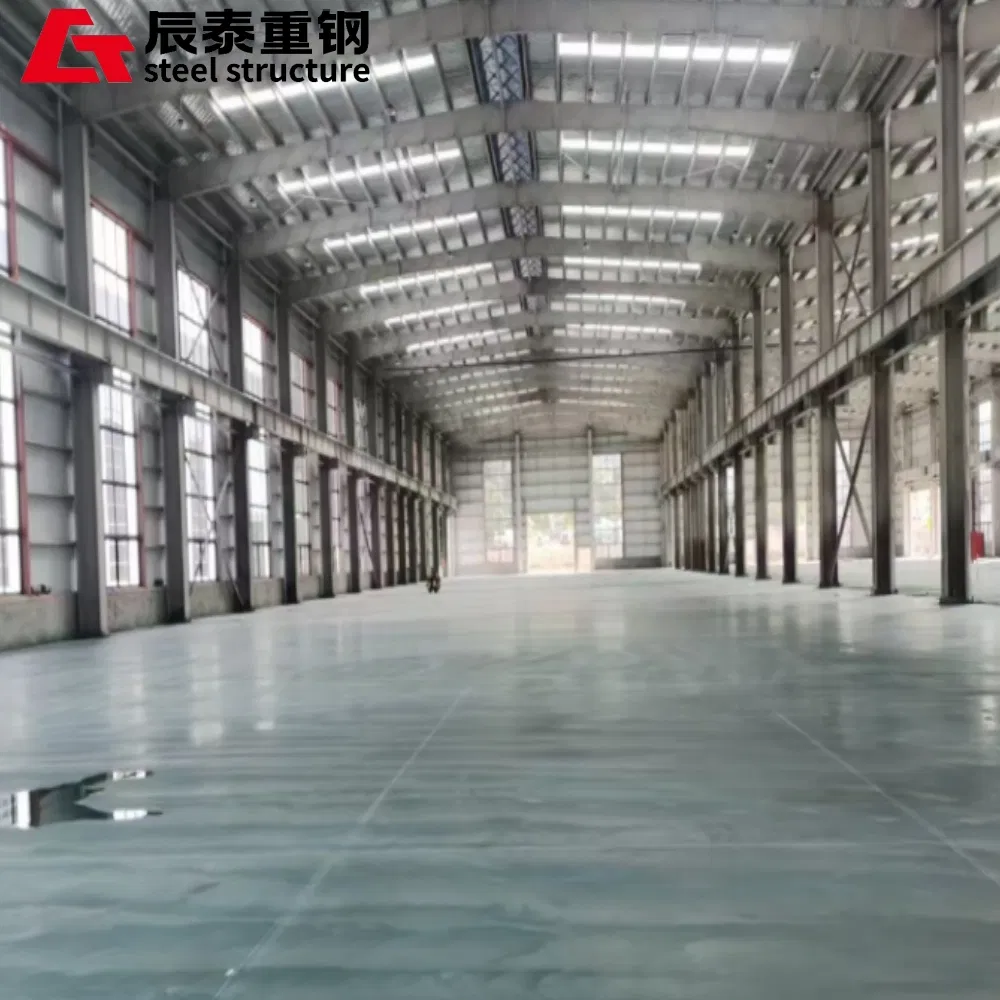
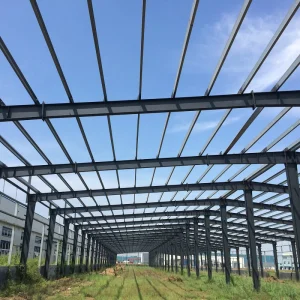
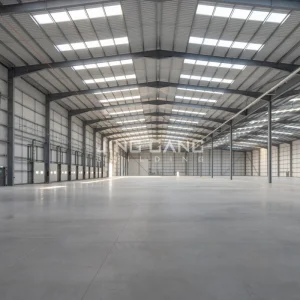
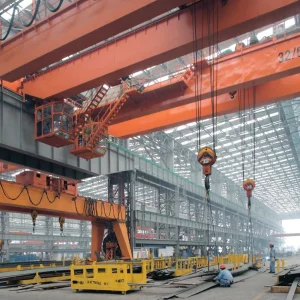
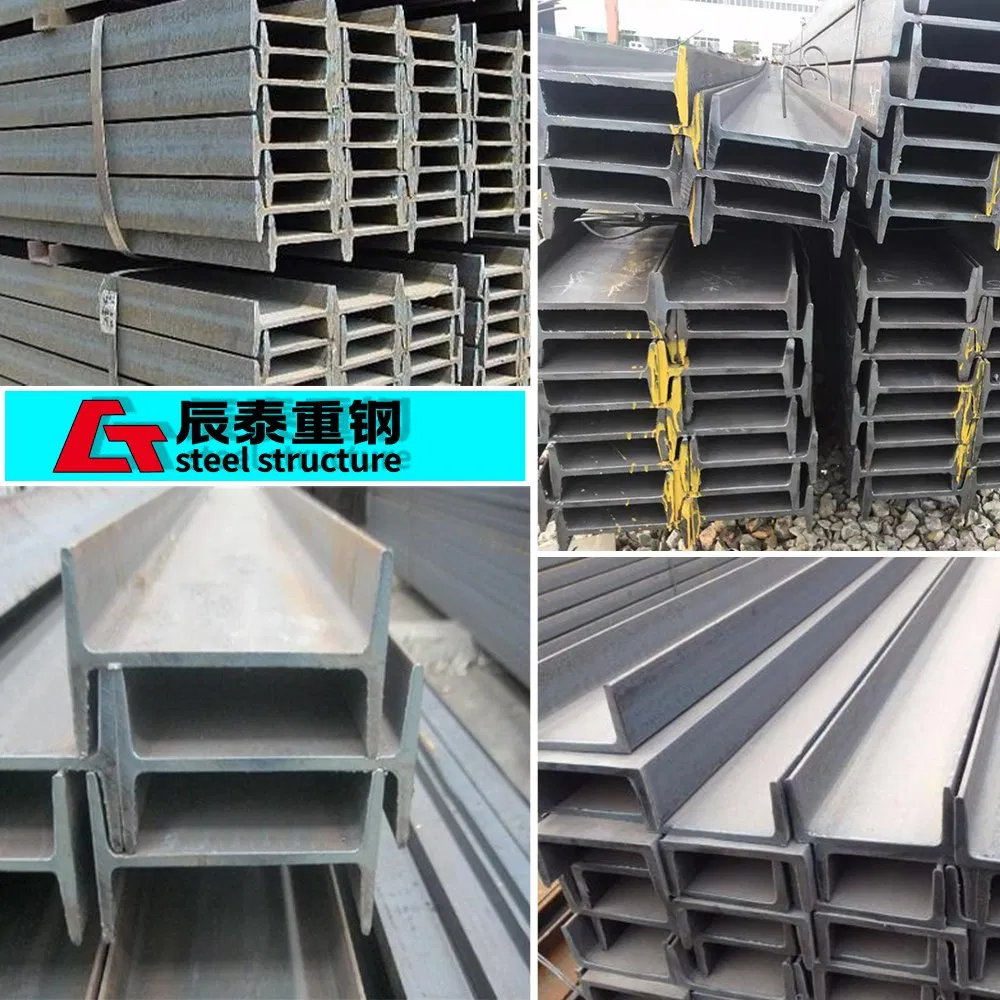
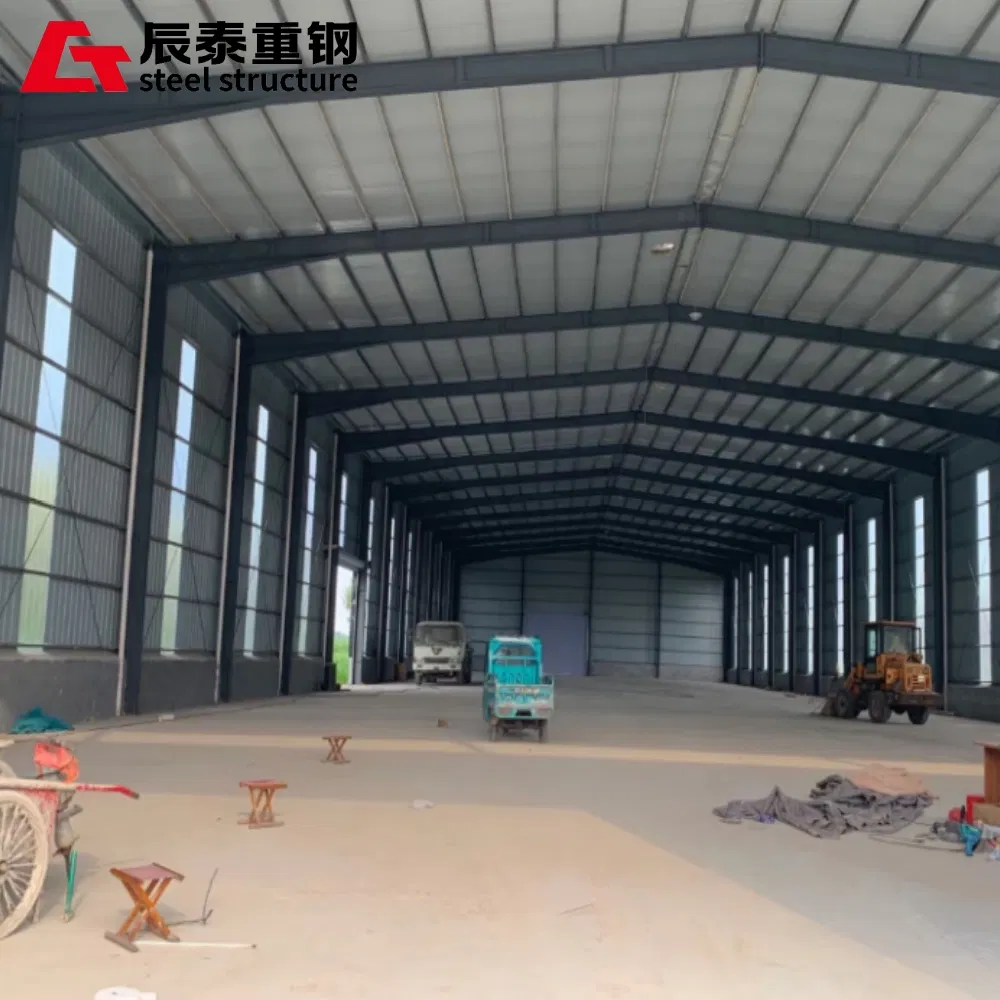
Commonly used I-beams and steel beams can withstand huge weight. This allows for large-span spaces without internal support columns, providing unobstructed space for large-scale equipment and bulk goods.
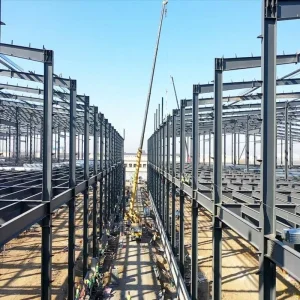
Members are prefabricated in the factory and assembled on-site. This significantly reduces time-consuming processes like pouring and maintenance, shortening the construction period and accelerating economic benefits.
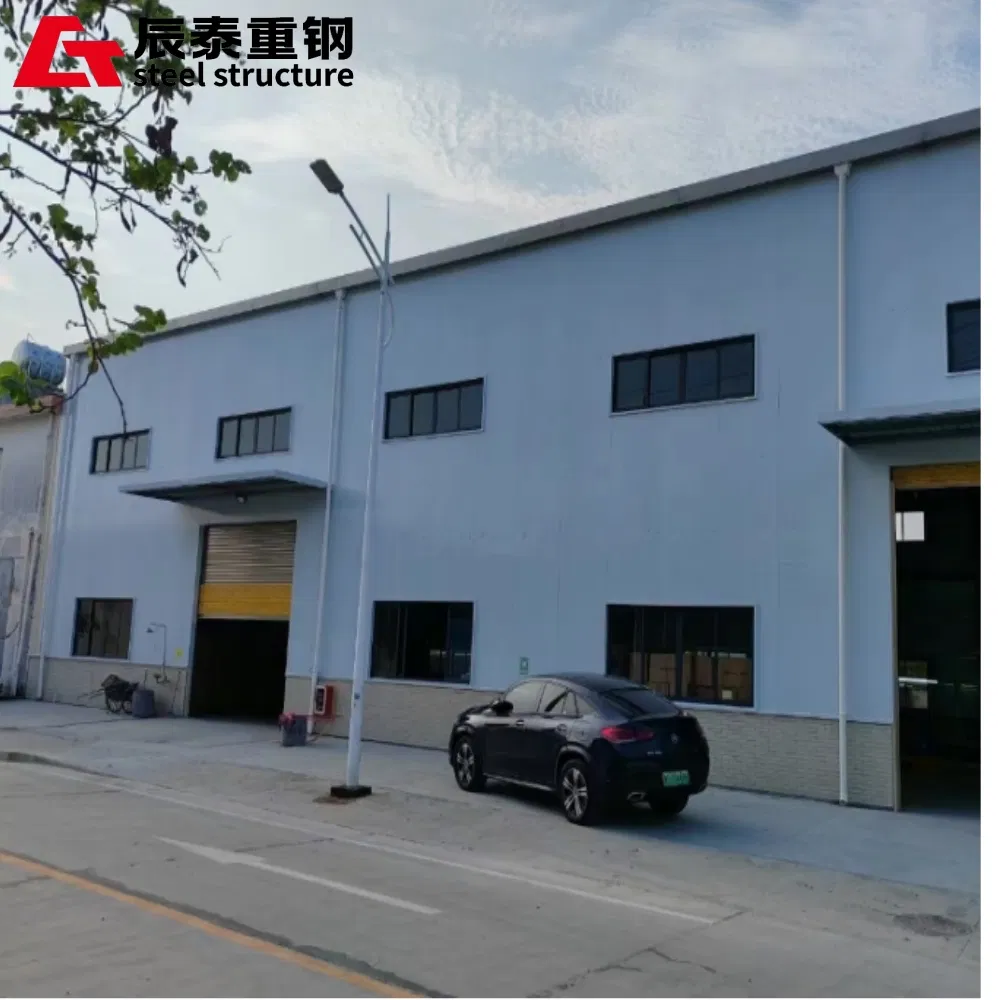
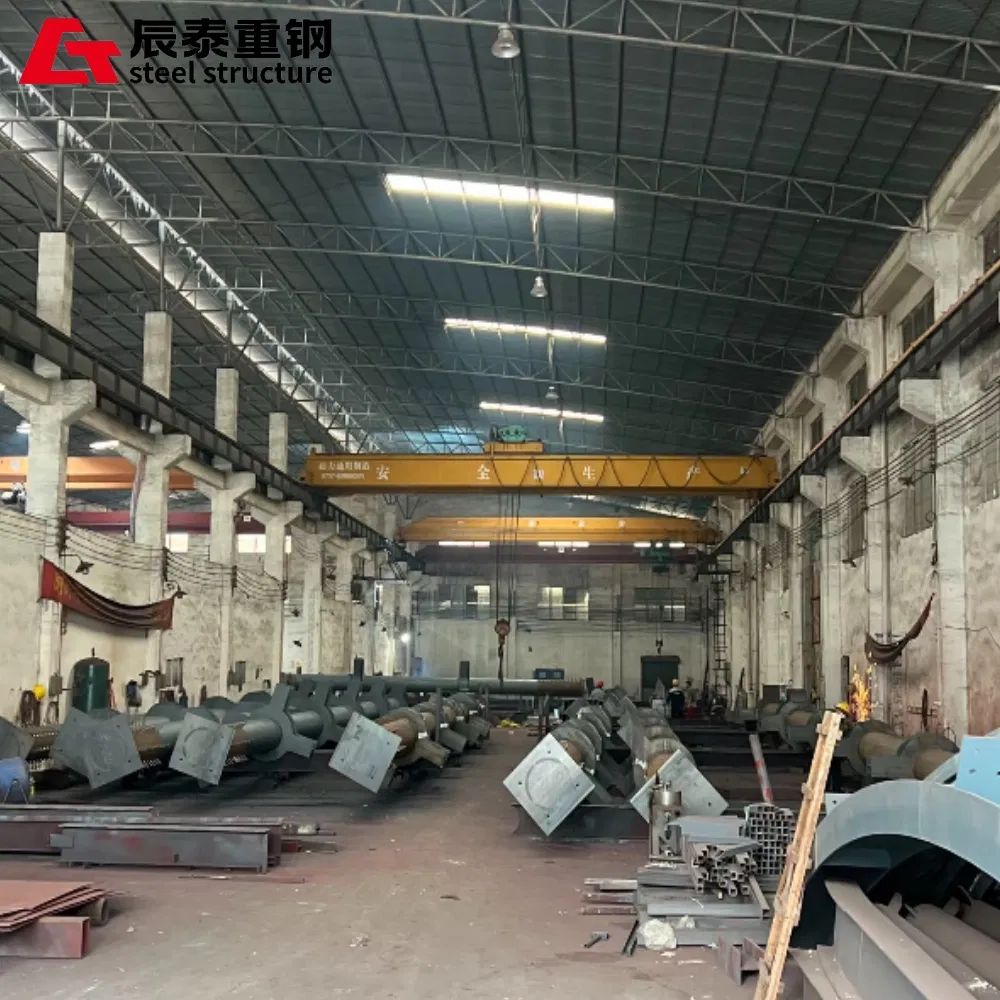
Interior spaces are spacious and can be flexibly arranged. Future modifications or additions to the internal layout are easy to implement to adapt to changing storage requirements.
Steel is 100% recyclable. After the building reaches its service life, the steel can be reprocessed. The construction process generates minimal waste and low environmental impact.
| Materials | Remark |
|---|---|
| Main Frame | H beam |
| Brace | Ordinary, High Strength Bolt |
| Roof & Wall | EPS, Rock Wool, PU Sandwich |
| Insulation Panel | EPS, Rock Wool, PU Sandwich |
| Purlin | C or H Section Steel Purlin |
| Door | Sliding or Rolling Door |
| Sheet | 0.2mm-0.6mm Galvanized Steel Sheet |
| Standard | Q235B, Q355B China Standard Steel |
1. Technical Personnel: Specialized management for participants to ensure professional standards and discipline.
2. Control Mechanism: Improved construction quality control combined with third-party supervision to ensure scientific implementation.
3. Material Management: Rigorous selection of high-quality materials and market research to reduce costs while maintaining integrity.
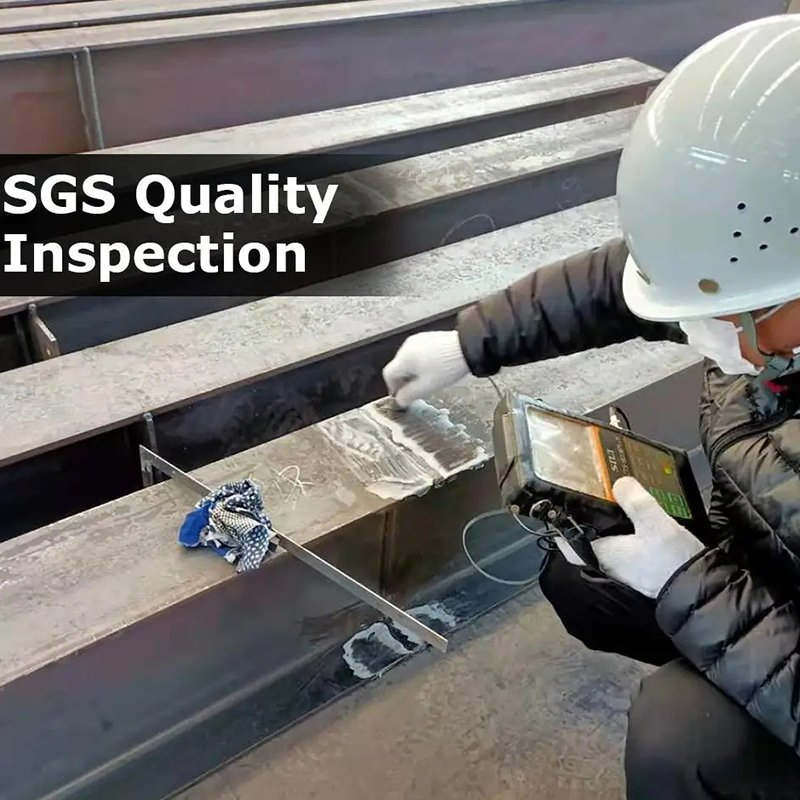
4. On-site Inspection: Sample checking and component inspection by quality inspectors upon arrival at the site.
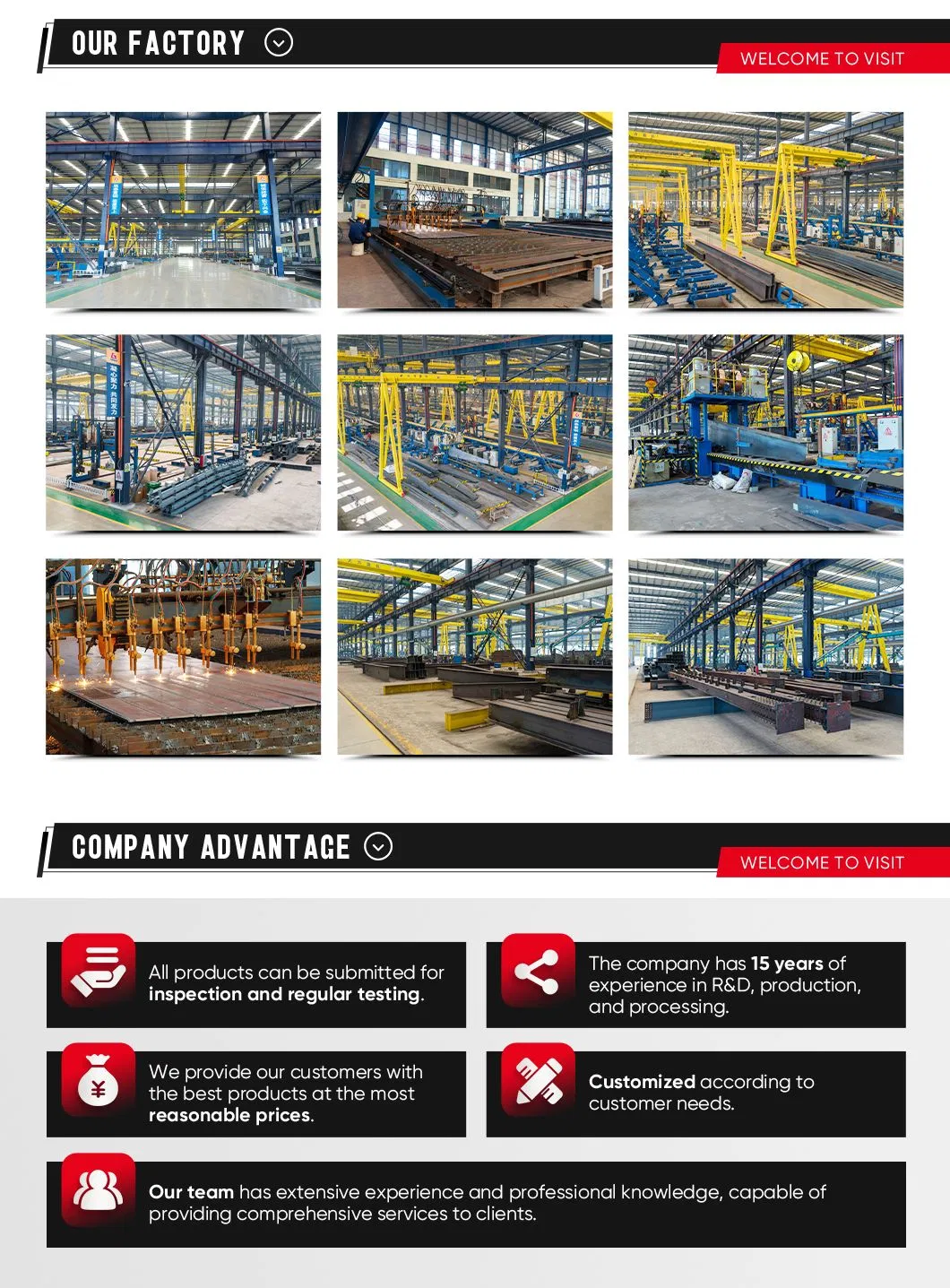
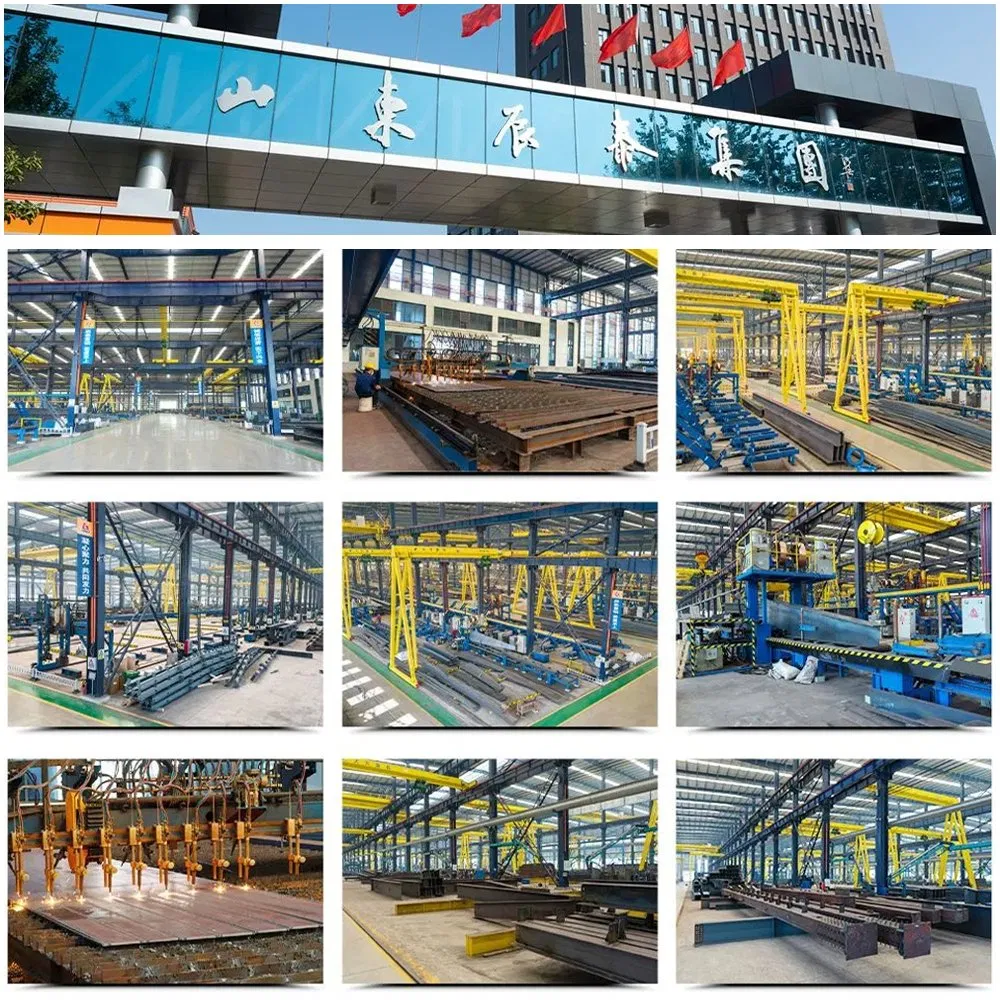
Fabrication: Includes numbering, cutting, and calibration. Anti-slip coefficients must meet design requirements.
Welding: Welders must hold valid certificates. Full welds undergo ultrasonic flaw detection.
Fire Protection: Essential treatment ensures the structure maintains bearing capacity during high-temperature exposure.