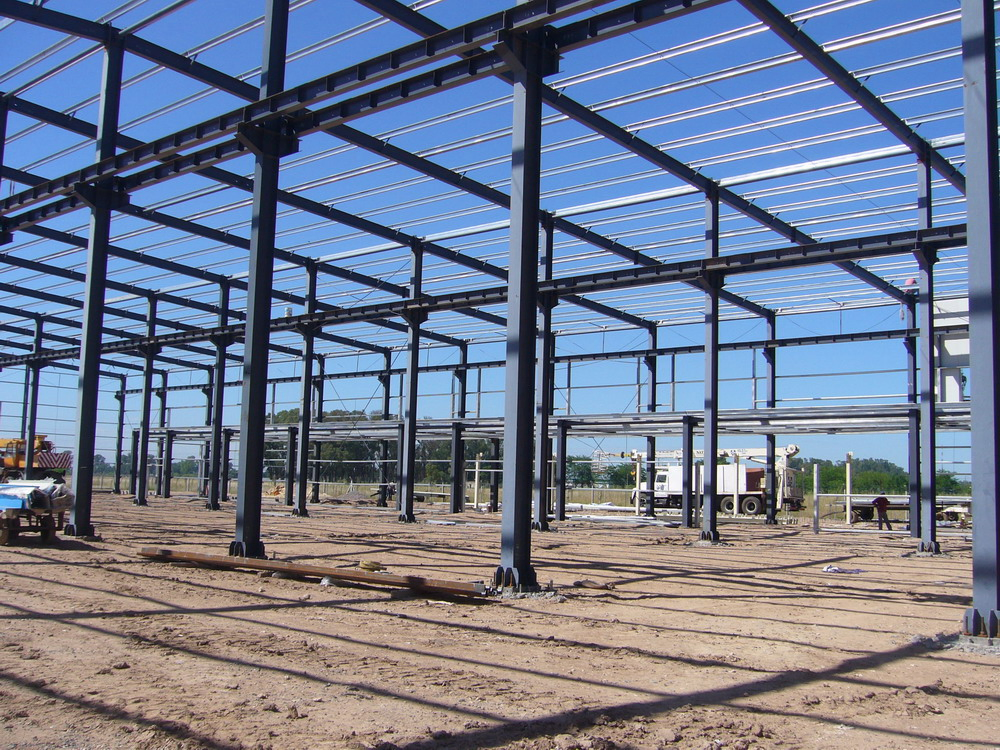
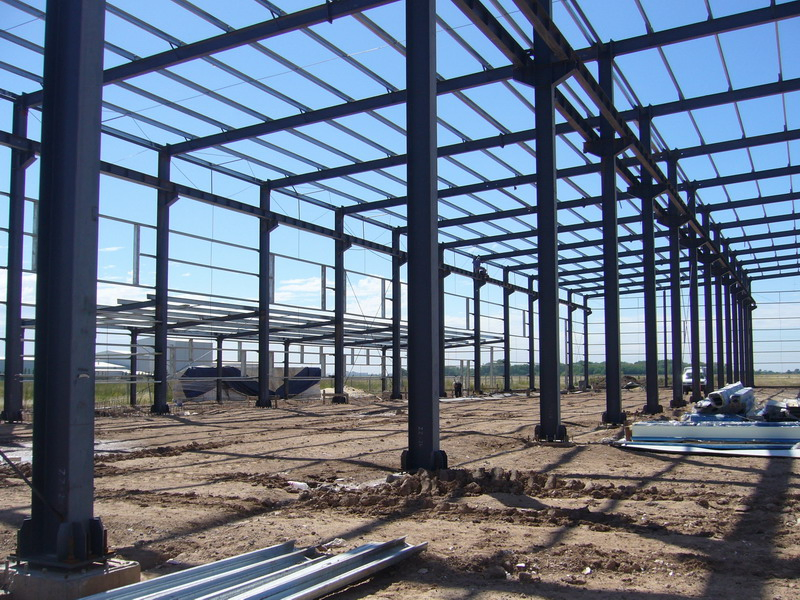
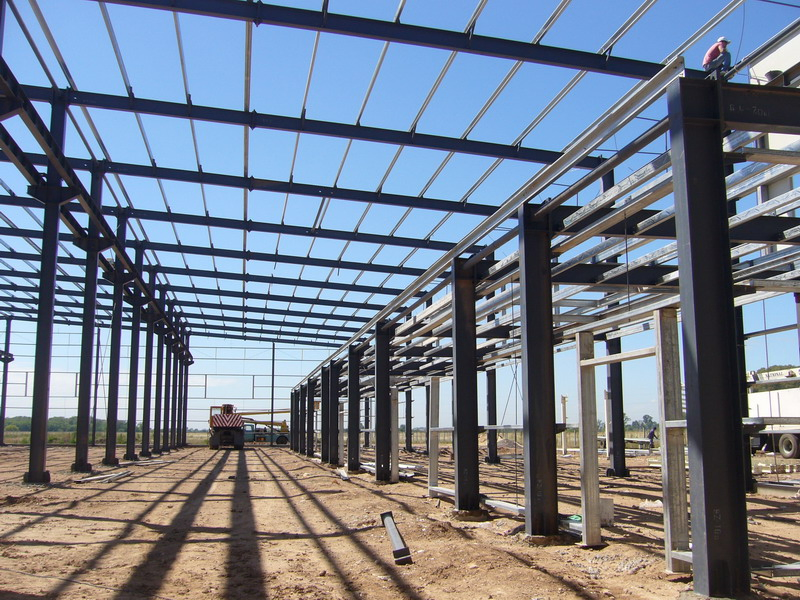
Industrial Solution Steel Structure Building and Infrastructure Development Construction

Customization: Available
Usage: Warehouse, Temporary Offices, Workshop
Material: Steel Structure

Product Description

Basic Information
Model NO.
KXD-SSB1271
Certification
ISO, CE, SGS, BV
Customized
Customized
Main Steel Frame
H Steel, Z or C Purlin
Size
According to Requirement
MOQ
200m2
Roof & Wall
Color Steel Sheet/Sandwich Panel
Standard
GB
Steel Grade
Q235 Carbon Structural Steel
Warranty
30 Year Limited Warranty
Production Capacity
5000ton/Month
Origin
China
Product Description
What is a Pre-engineered Steel Building?
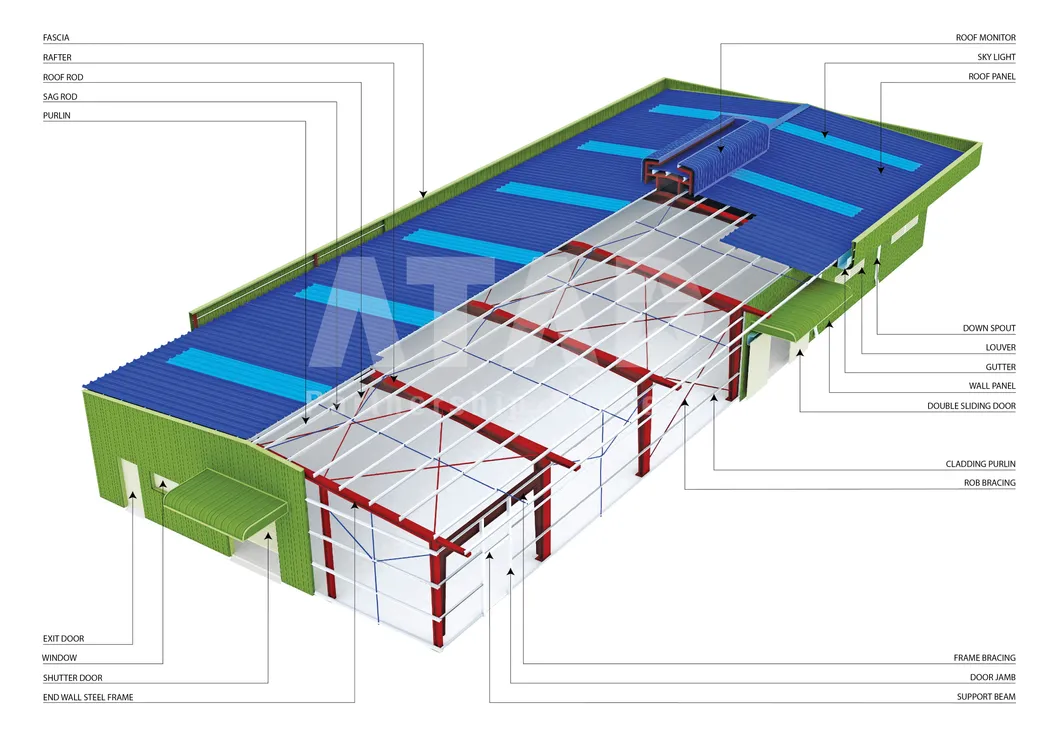
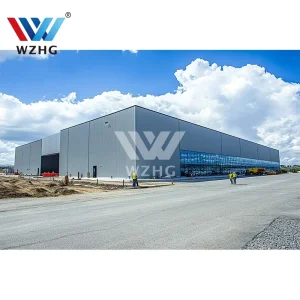
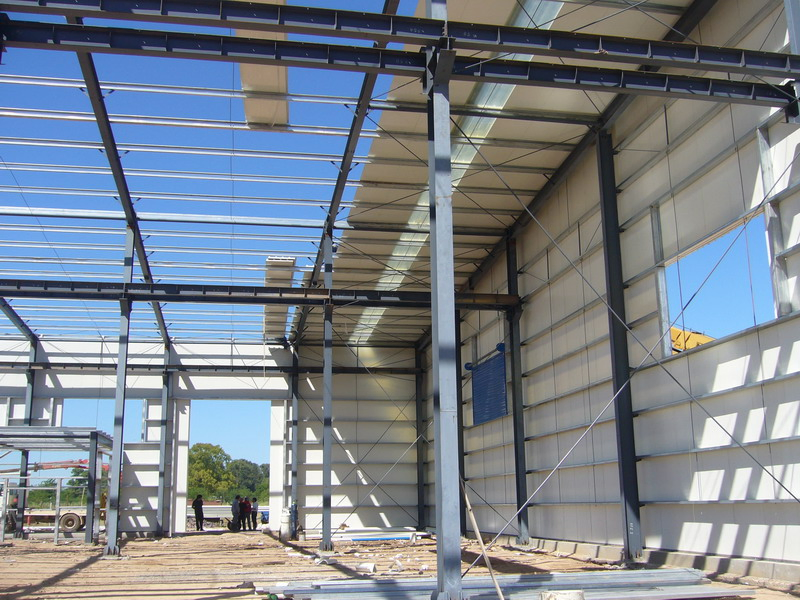
Pre-engineered steel buildings are structural systems built over a concept of primary members, secondary members, and roof/wall sheeting connected to each other. These buildings can include additions like skylights, turbo vents, mezzanine floors, and crane systems based on specific requirements.
Model of pre-engineered steel buildings
Applications & Scope

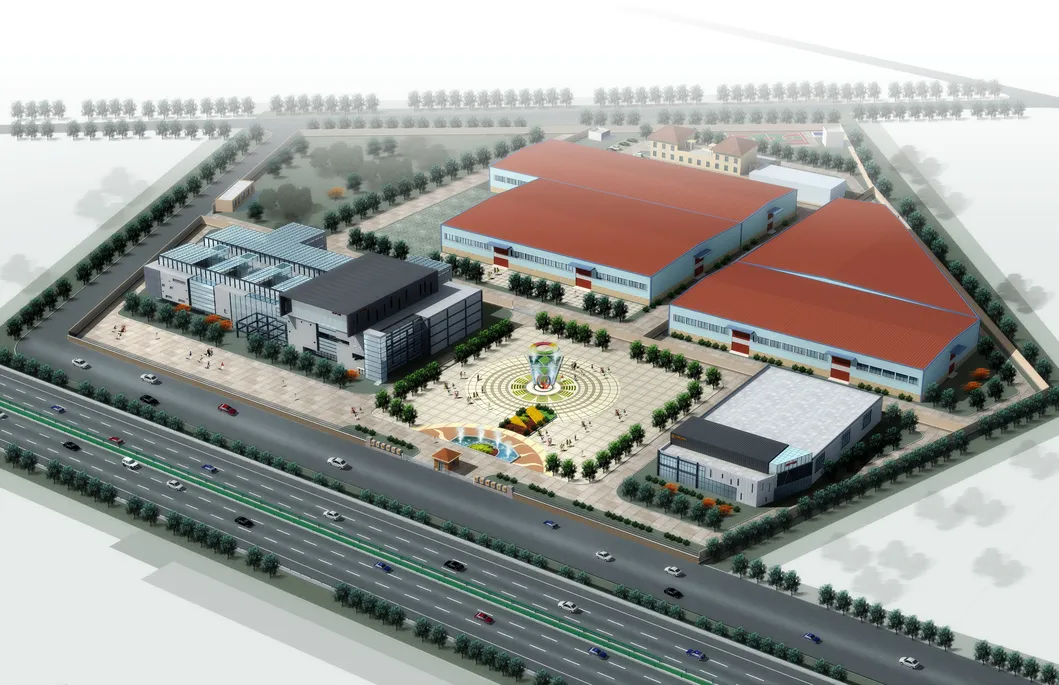
Pre-Engineered Buildings (PEBs) offer flexible solutions with low cost, high durability, and fast erection. Common applications include:

Industrial

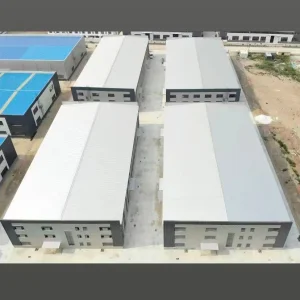
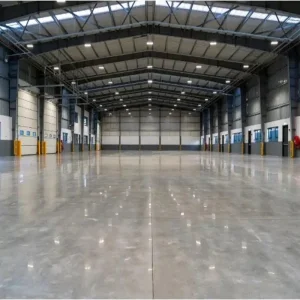
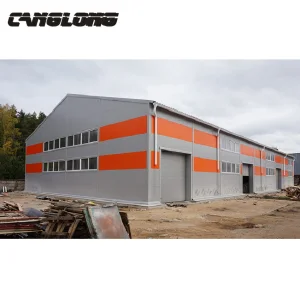
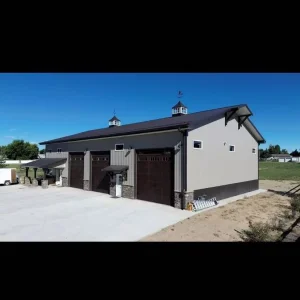
Factories, Workshops, Warehouses, Cold Storages, Steel Mills, Assembly Plants.

Commercial

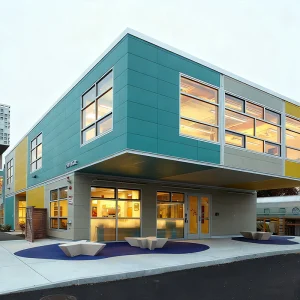
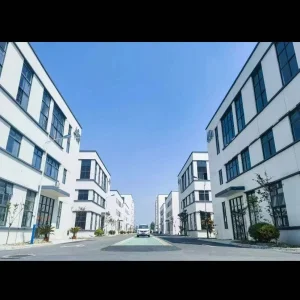
Showrooms, Supermarkets, Offices, Shopping Centers, Logistic Centers.

Public & Others

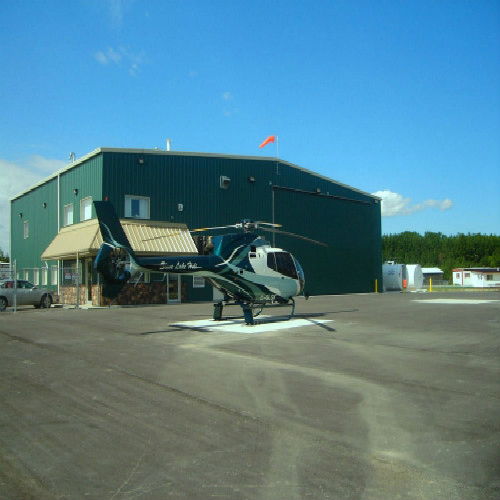
Schools, Hospitals, Stadiums, Aircraft Hangars, Farms, Pump Stations.
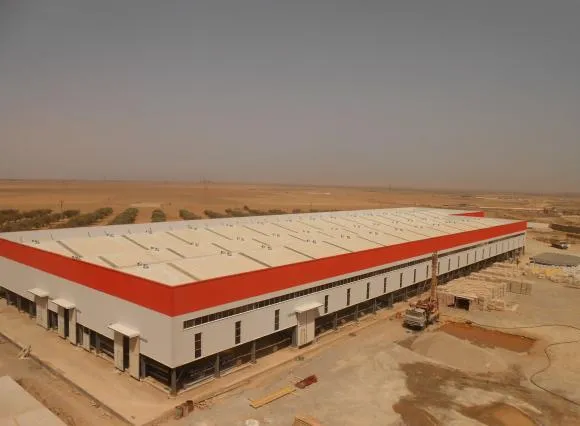
Industrial Application Commercial Application
Core Advantages

1. Cost Savings

Price per square meter can be 25%-30% lower than conventional steel buildings. Lower site erection costs due to faster processing.

2. Quick Erection

All components are factory-fabricated. Requires 60% less construction time compared to traditional reinforced concrete buildings.

3. Flexibility

Easy to expand in the future, low transportation costs, and versatile design options.

4. Energy Efficiency

A green solution with CO2 reduction, high recyclability, and excellent energy efficiency.

Structural Components
Primary Members / Main Frames:

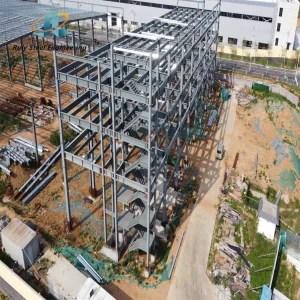
Includes columns and rafters which are the main load-carrying supports. Shapes and sizes vary based on application.
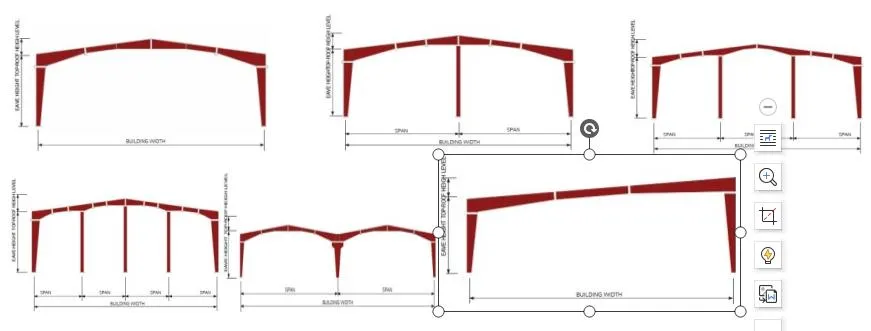
Primary Structural Members
Secondary Members:

Purlins, girts, eave struts, and bracing made from cold-formed steel with high yield strength (345 MPa).

Roof & Wall Panels:

Standard thickness of 0.3mm to 0.6mm. Hot-dipped galvanized with zinc or zinc-aluminum coating for corrosion resistance.
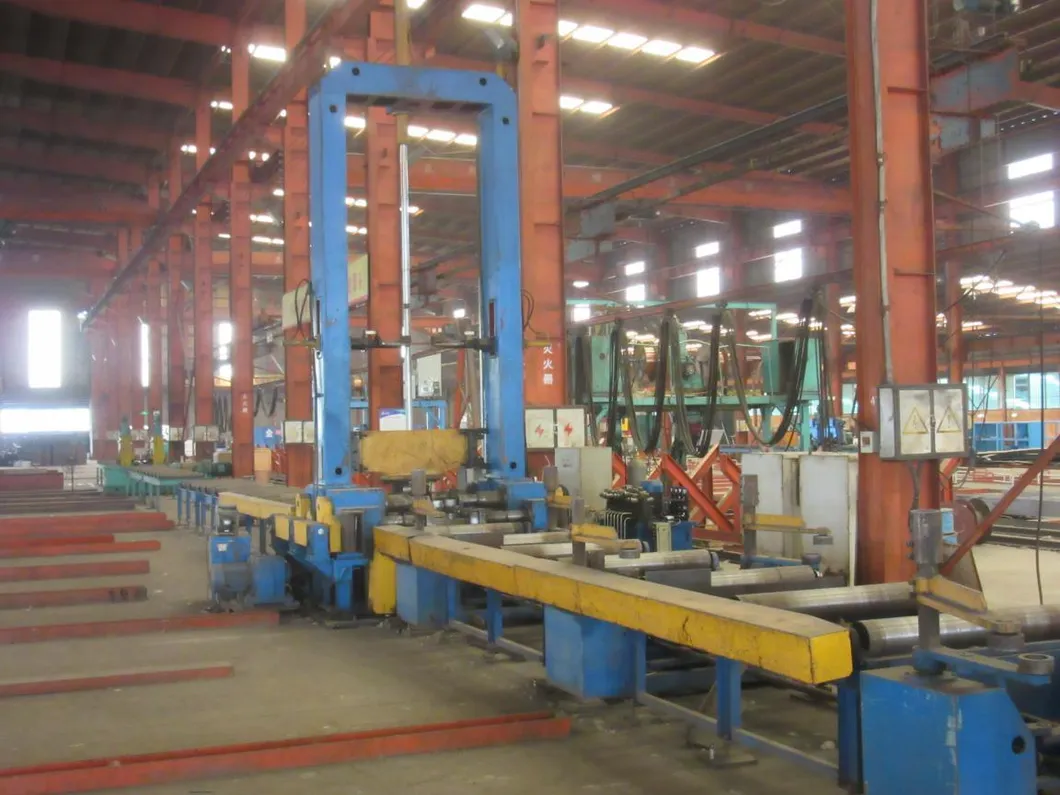
Manufacturing & Quality Control
Material Receiving: Verification of MTC and dimensional inspection (length, width, thickness).
Preparation: CNC fire-cutting and automated drilling for high precision.
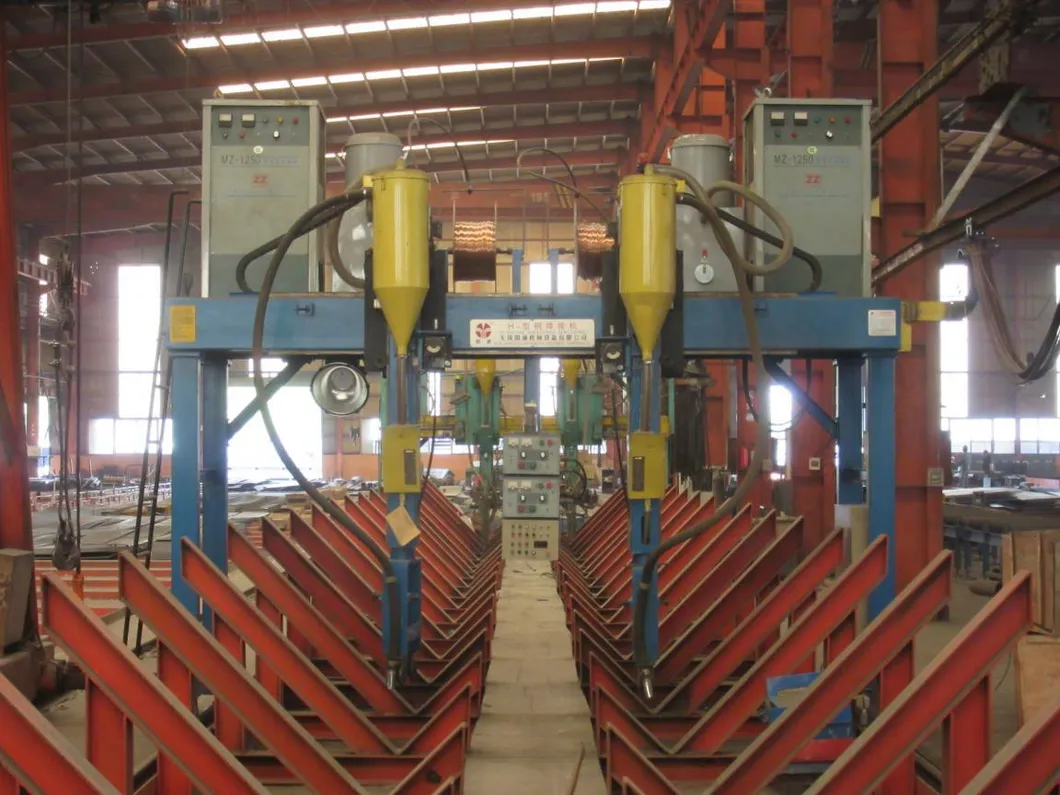
Welding: Utilizing Submerged Arc Welding (SAW) and MIG welding as per GB50661-2011 standards.
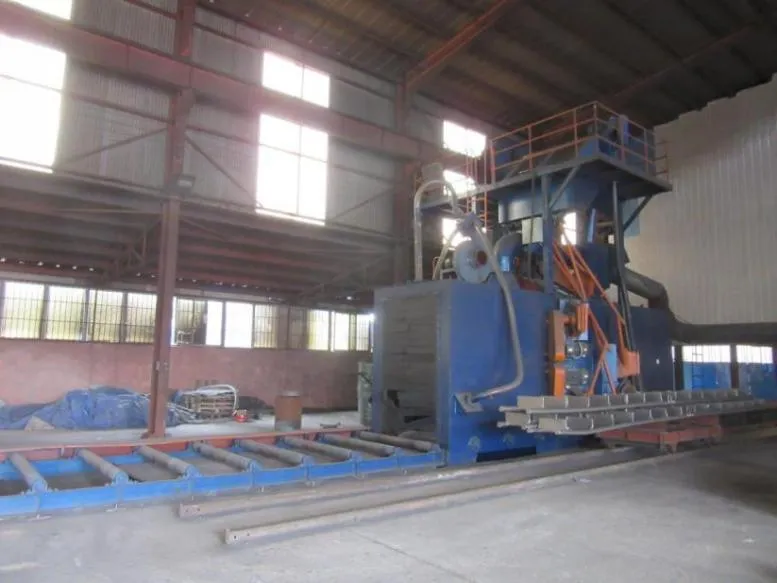
Shot Blasting: Cleaning to Grade SA 2.5 to ensure perfect paint adhesion.
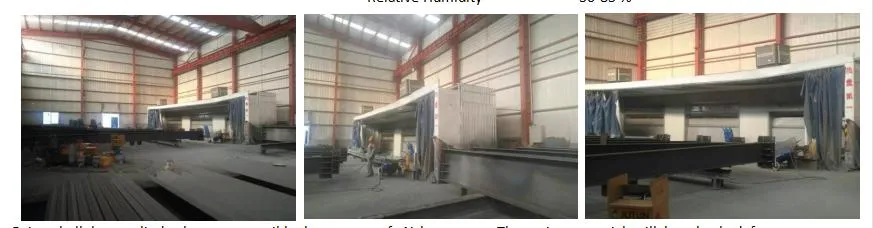
Painting: Airless spray application with controlled WFT (Wet Film Thickness).
Fabrication Process Welding Process Blasting Process
Welding Standards:

Strict adherence to fillet weld size regulations (K size). Minimum fillet weld size K ≥ 1.5√t. Maximum size K ≤ 1.2t.
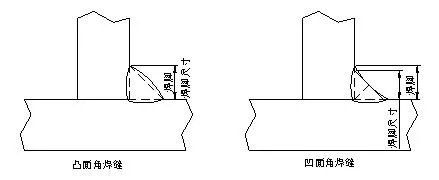
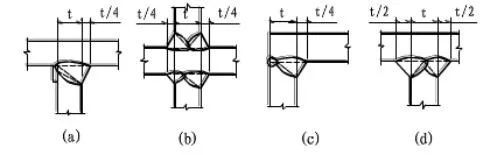
Weld Standards Weld Illustration
Technical Specifications Table
Component Form Standard Value (K) Notes
Fillet weld without groove K=(0.7~1)t and ≤15mm Standard steel structures
Secondary members K=(0.5~0.6)t Strengthening ribs
Groove weld (CJP/PJP) K=t/4 and K≤10mm General building use
Important members K=t/2 and K≤10mm Crane beams & main connections
Painting Inspection
FAQ
What are the primary materials used in the steel frame?
The primary frame usually consists of H-section steel, while secondary members use C or Z-section purlins. All steel typically meets Q235 or higher grade standards.
How long is the warranty for these steel buildings?
These structures come with a 30-year limited warranty, ensuring long-term durability and structural integrity.
Can the design be customized for specific sizes?
Yes, all pre-engineered steel buildings are custom-designed according to the specific requirements of the customer and the site conditions.
What are the main benefits of PEB over concrete buildings?
PEBs offer approximately 60% faster erection time, 25-30% lower costs, and better flexibility for future expansions.
How is the steel protected against corrosion?
The steel undergoes shot blasting to Sa2.5 grade, followed by high-quality primer and finish paint coats, or hot-dipped galvanization.
What certifications do these buildings meet?
The manufacturing processes and products are certified by ISO9001, CE, SGS, and BV, following international quality standards.

Related Products