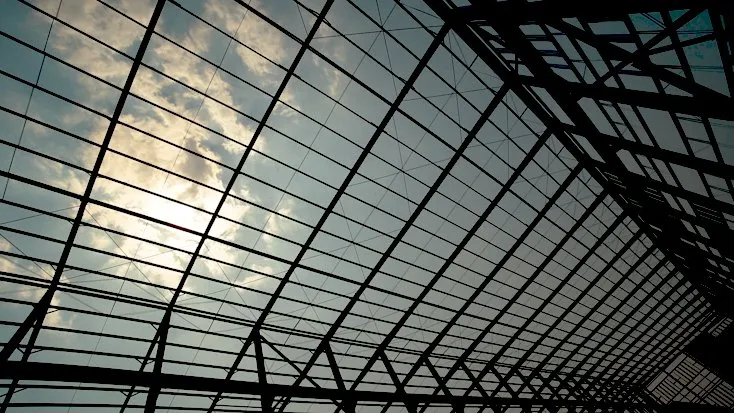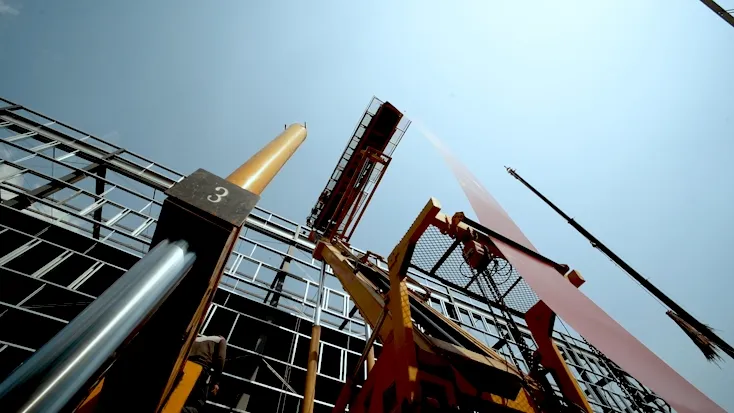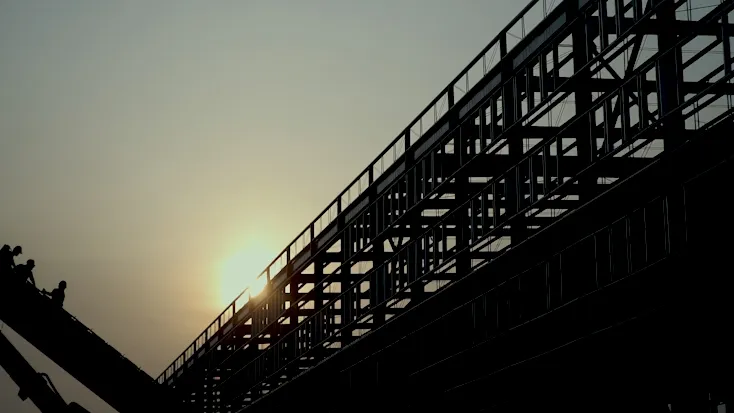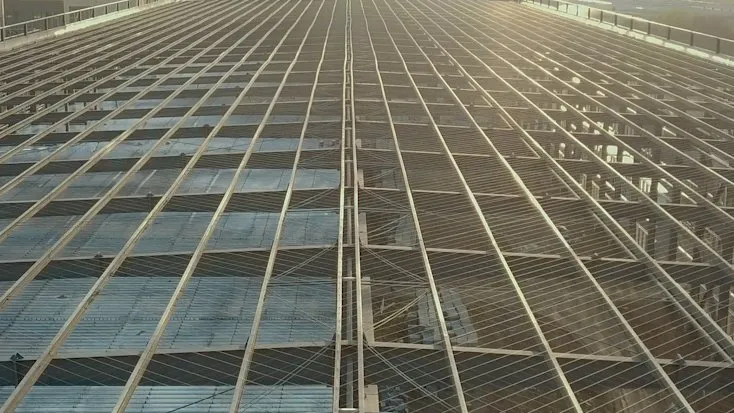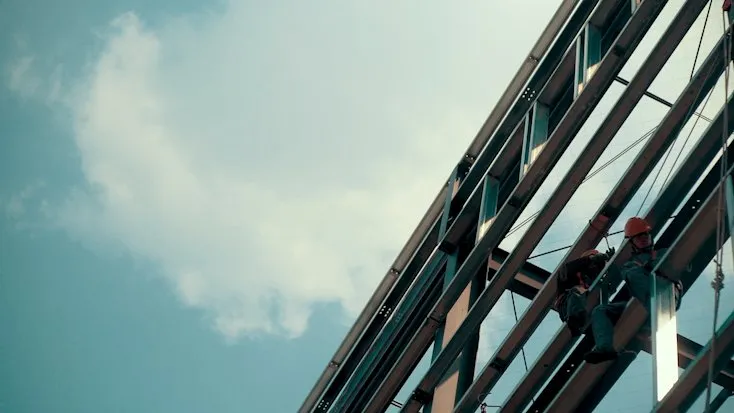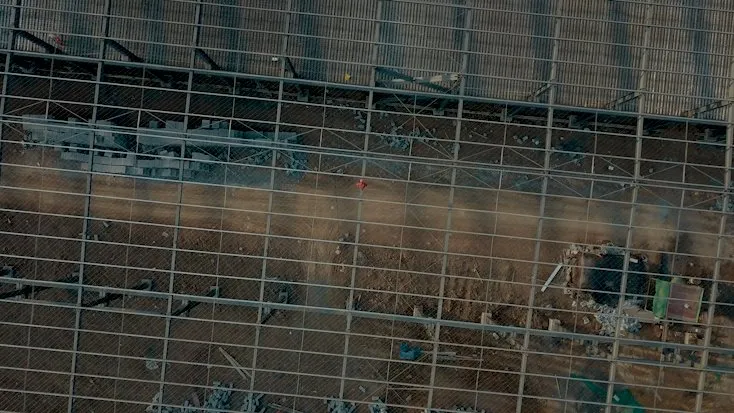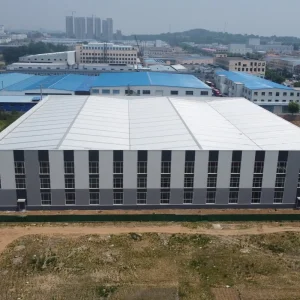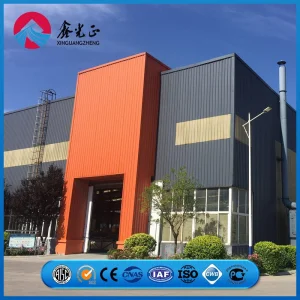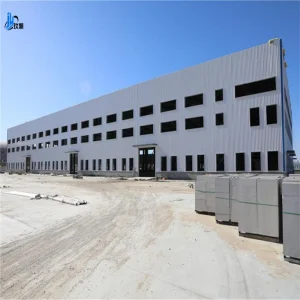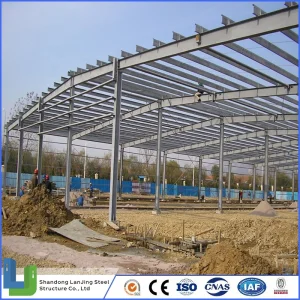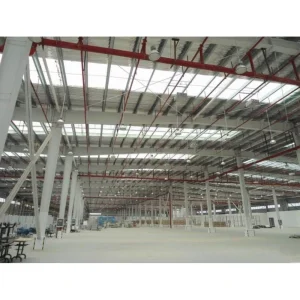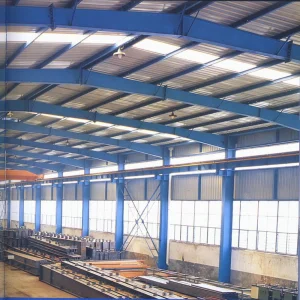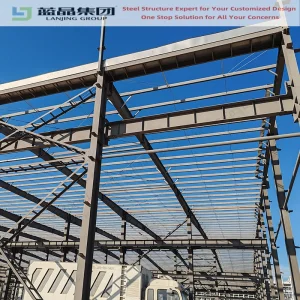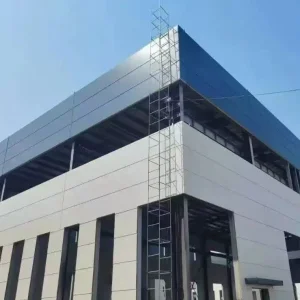
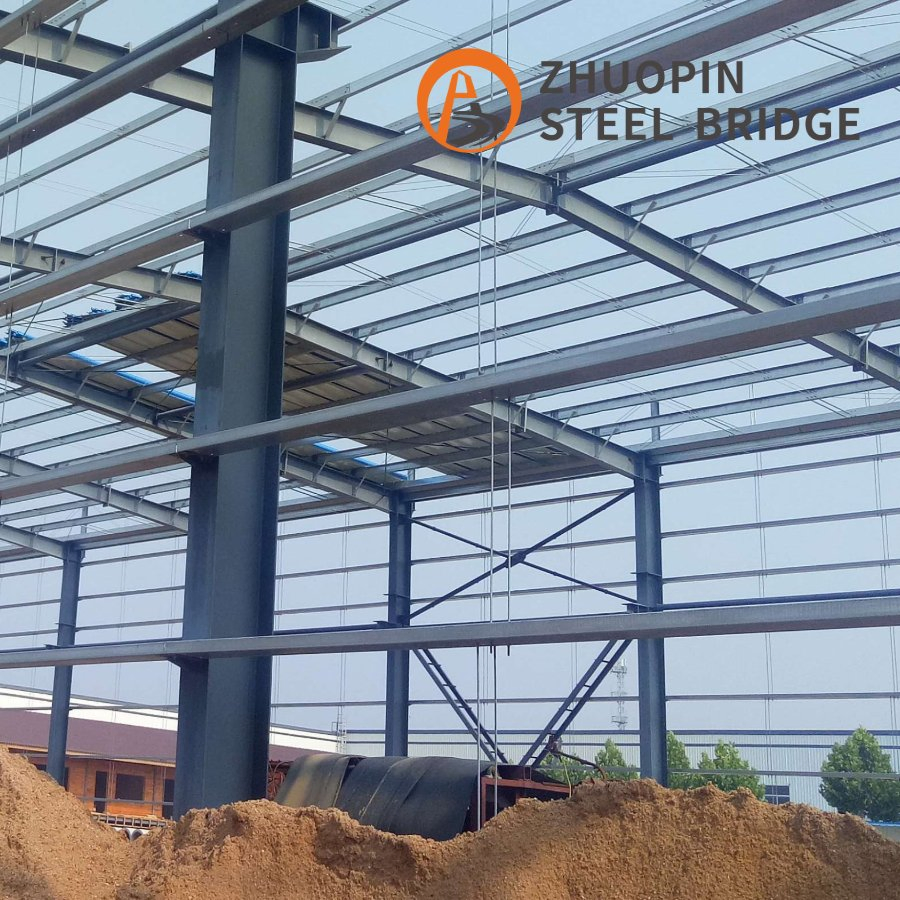
Quick Assembly of Prefabricated Steel Structure Workshop Is Cheap

Customization: Available
After-sales Service: as Per Design Life Circle
Connection Form: Bolt Connection

Product Description

Basic Specifications
Construction Member:
Steel Beam
Grade:
Carbon Structural Steel
Molding Method:
Hot-Rolled Steel
Standard:
ASTM
Steel Type:
High-Strength Steel
Structure:
Frame Structure
Surface Treatment:
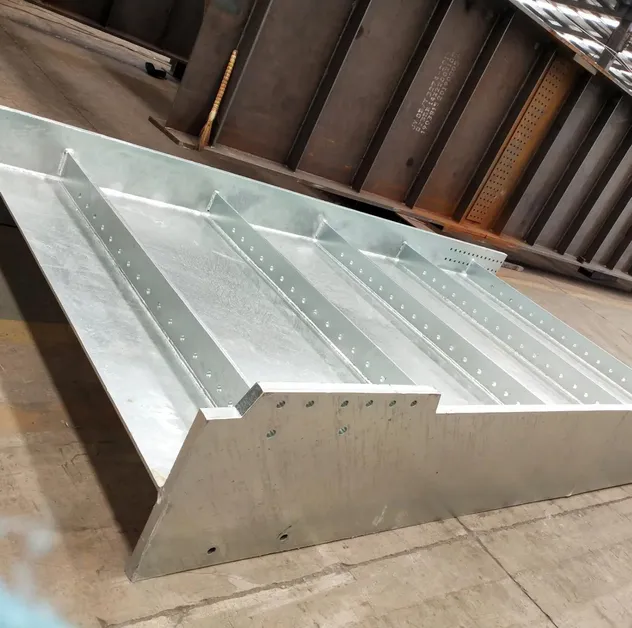
Painted & Galvanizing
Design Services:
Free Design
Structure Types:
Latticetruss, Portal Frame, Suspended
Production Capacity:
20,000.00 Metric Tons
Industrial Steel Buildings Overview
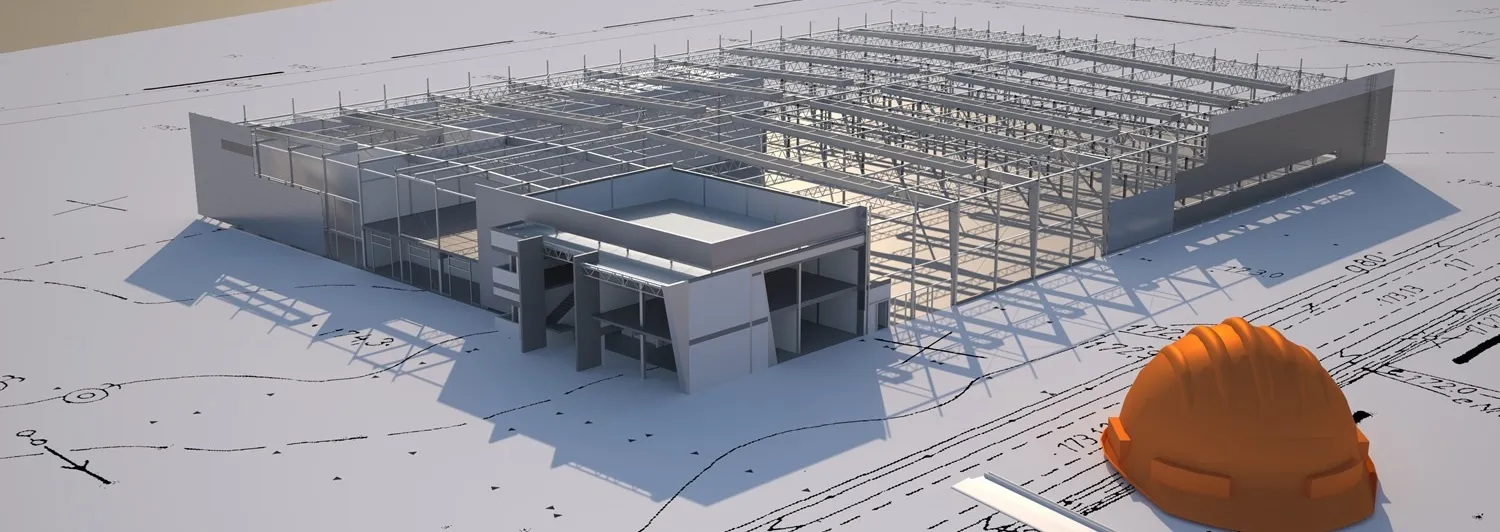
Steel Structure Workshop

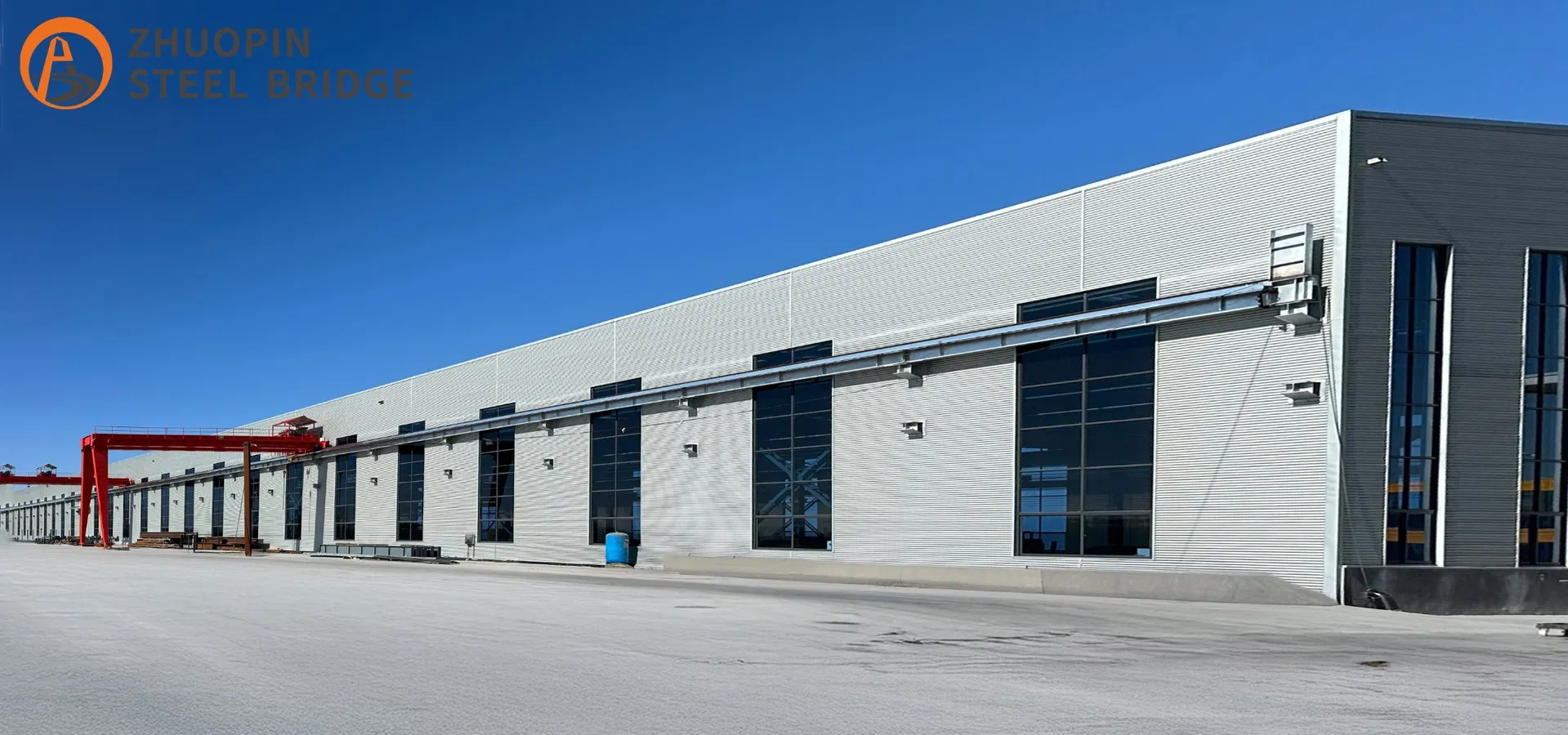
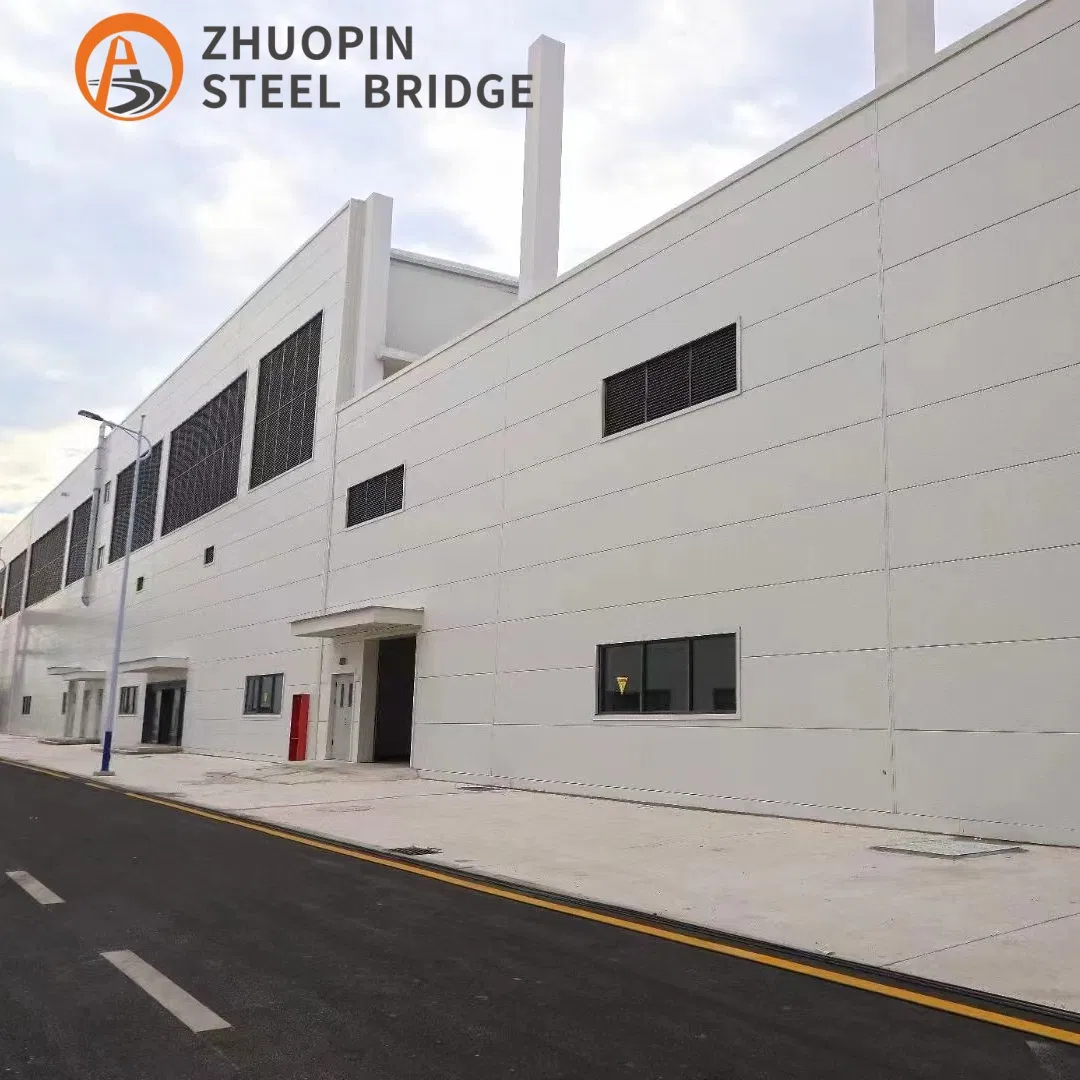
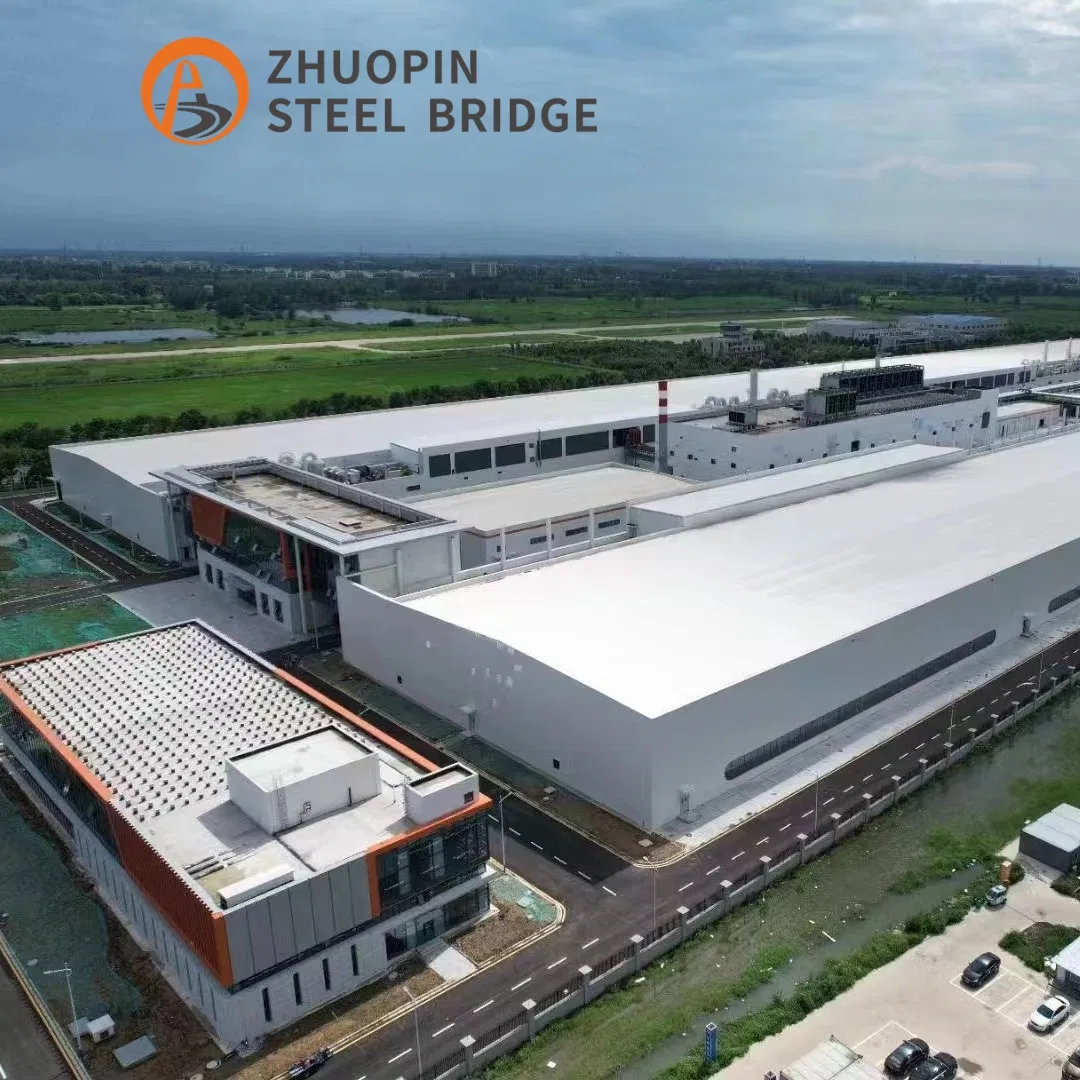
Steel Structure buildings are the largest sector of the global industrial construction market, representing upwards of 70% of total activity. These buildings are typically used for workshops, factories, industrial and distribution warehouses, and retail and leisure. Sizes vary from small workshops of just a few hundred square meters up to massive distribution warehouses covering over one hundred thousand square meters.

Modern industrial steel structure buildings taking advantage of the latest advances in automated fabrication and construction techniques can provide economic solutions to the demands of safety, rapid construction, aesthetics, minimal maintenance, and flexibility in future use.
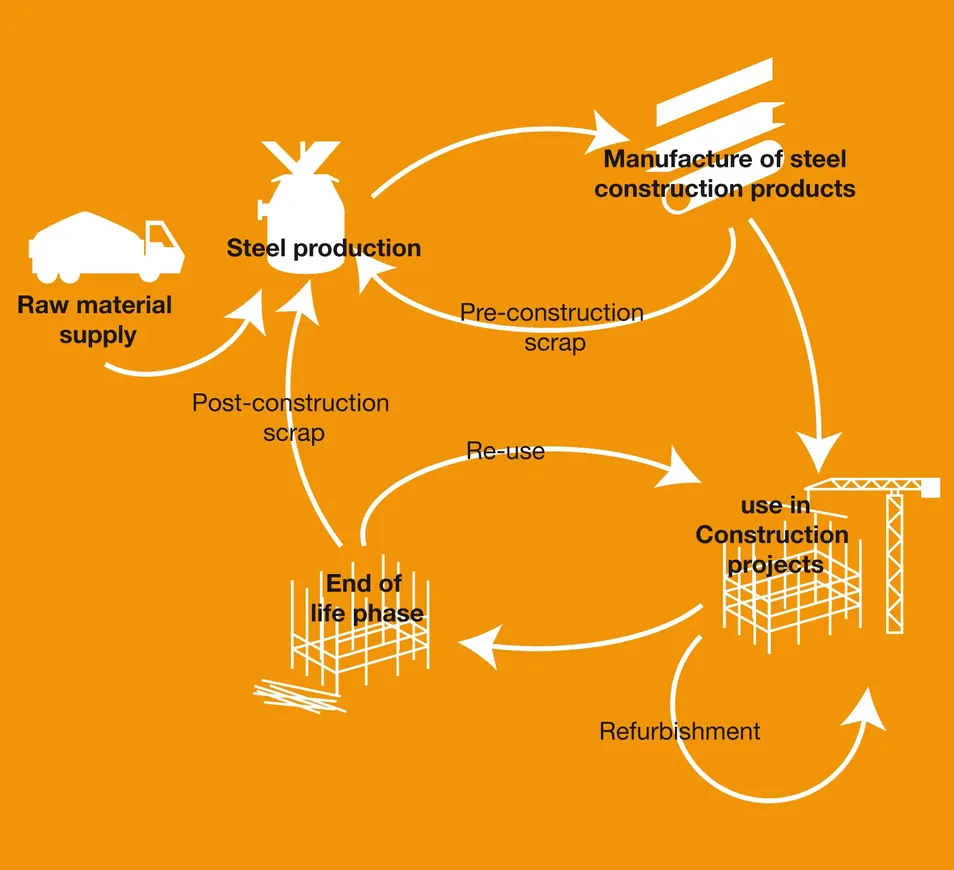
Sustainability Priorities
Sustainability in Construction
Economic: Efficient use of resources, durability, and adaptability.
Environmental: Recycling and re-use, minimum CO2 burdens, and lightweight construction.
Social: Sustainable communities, health and safety, and minimal impact.
Key Design Requirements
  • Space use and flexibility for production facilities
  • Speed of construction and environmental performance
  • Aesthetics, visual impact, and acoustic isolation
  • Access, security, and sustainability considerations
  • Design life and maintenance requirements
Design Stage
Technical Features & Parameters
Materials:
ASTM A572 Gr50/A36, S355JR, Q235B, Q355B
Fabrication Standard:
AWS D1.1 | ISO | GB | EN1090 | AS/NZS
Surface Treatment:
Hot Dipped Galvanized, Painting, or Powder Coated
Welding Art:
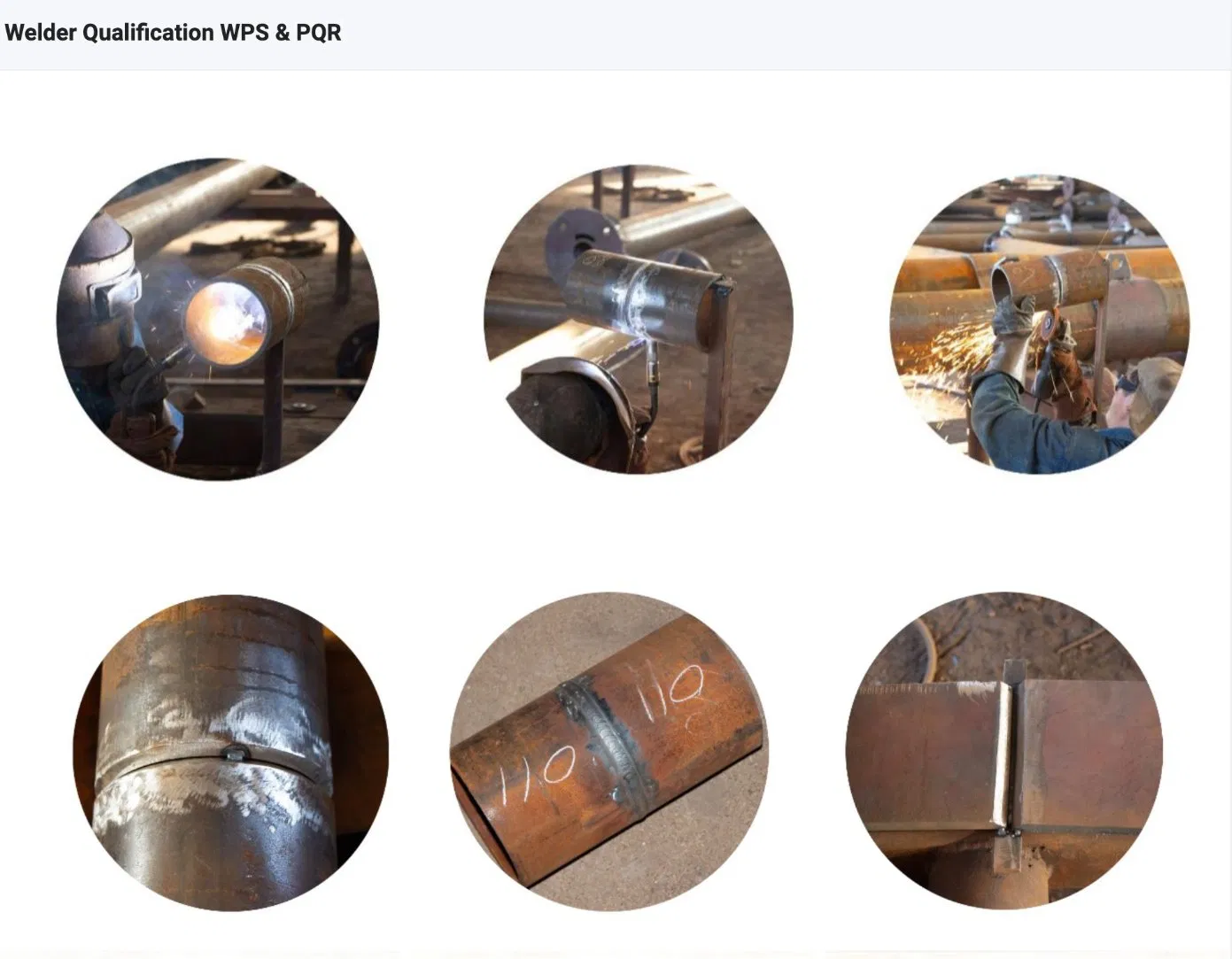
FCAW, GTAW, GMAW, SAW, ESW
Required Quotation Data: Size (L*W*H), Max Wind Speed, Snow Load, Earthquake Grade, Live/Dead Loads, Crane Requirements (Max height/weight), and Wall/Roof specifications.
Framing Options

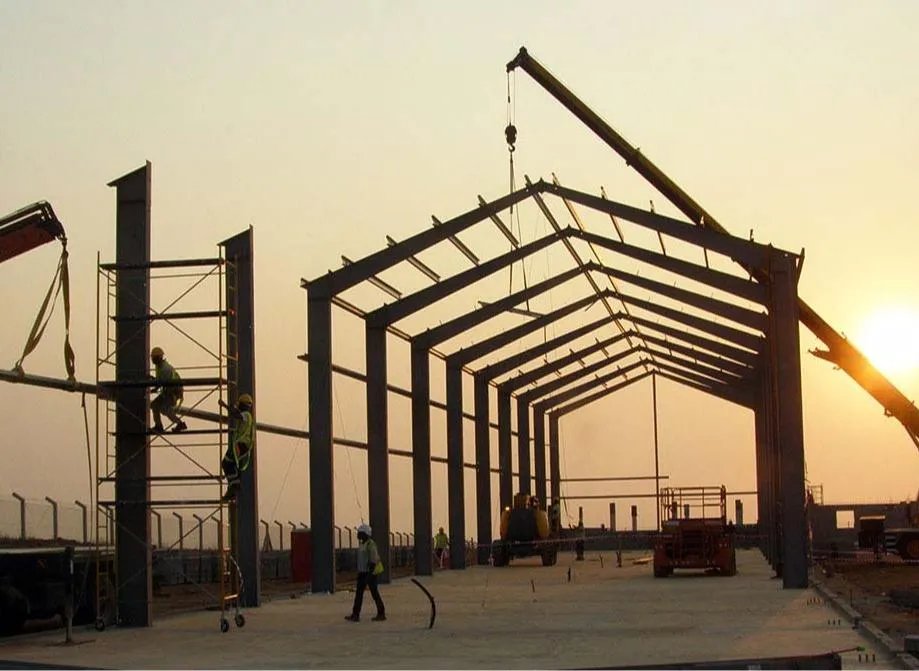
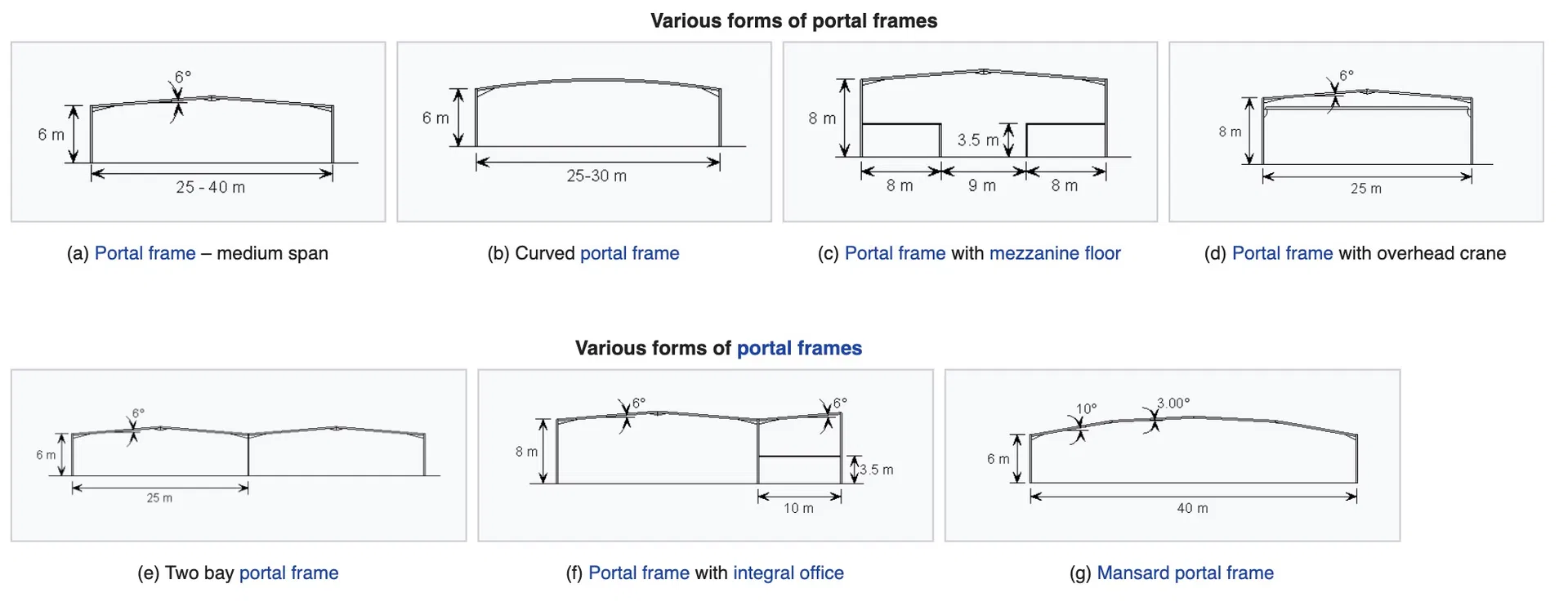
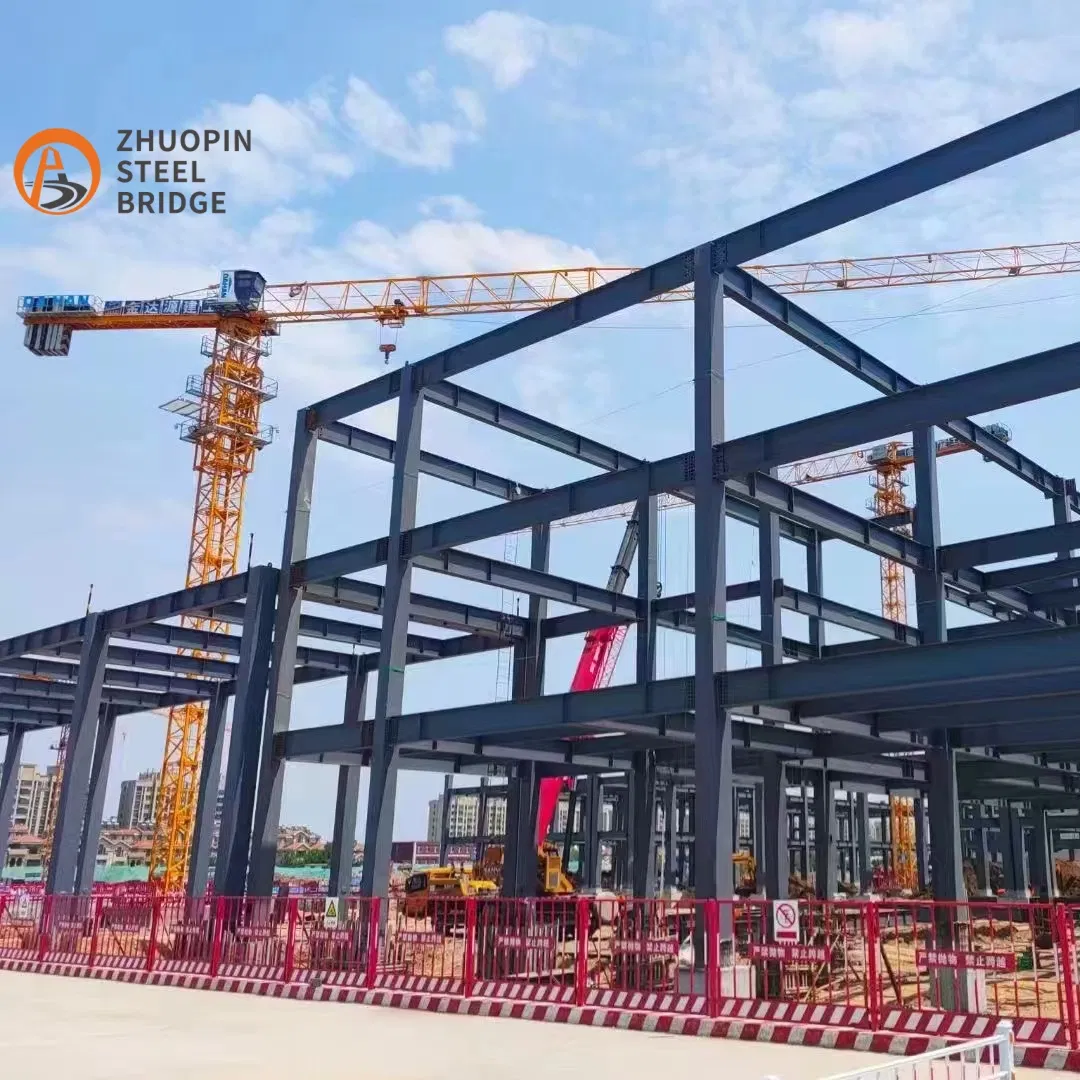
Portal Frames: The predominant form of single-storey construction. Typically use hot-rolled beams and columns for roof rafters and supporting columns. Suitable for various shapes and sizes with flat or pitched roofs.
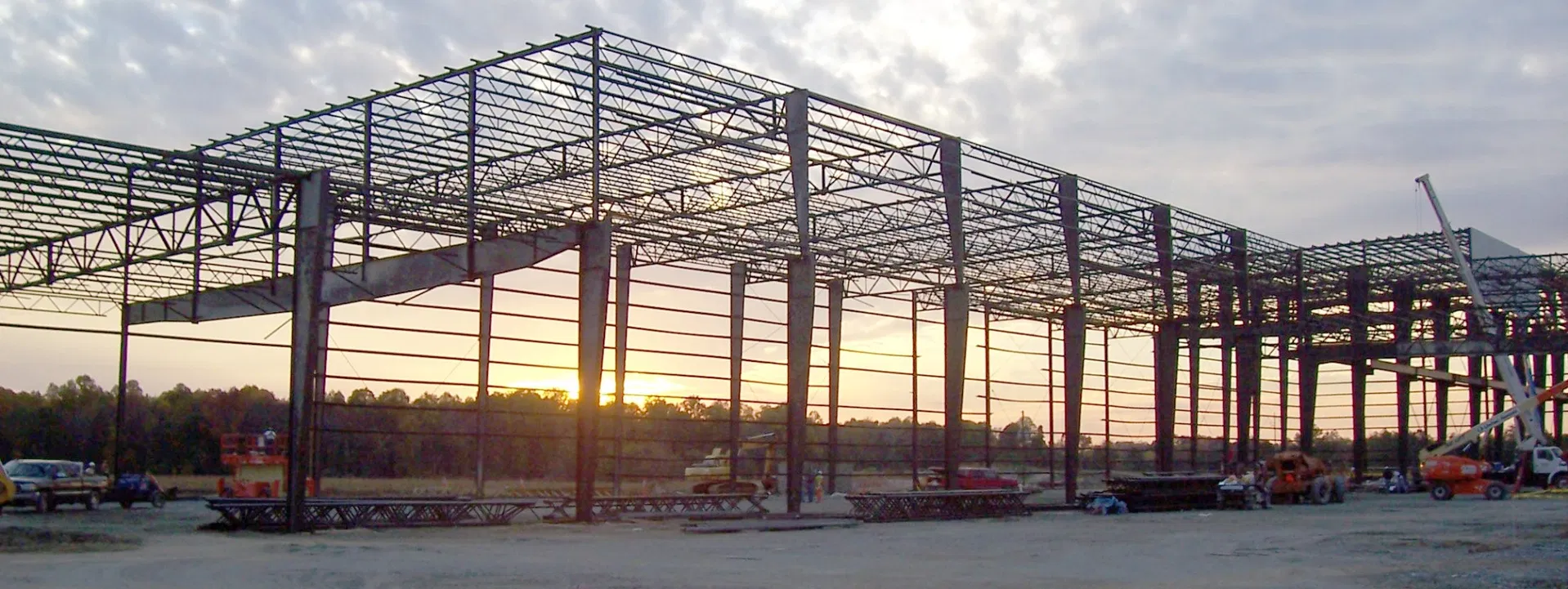
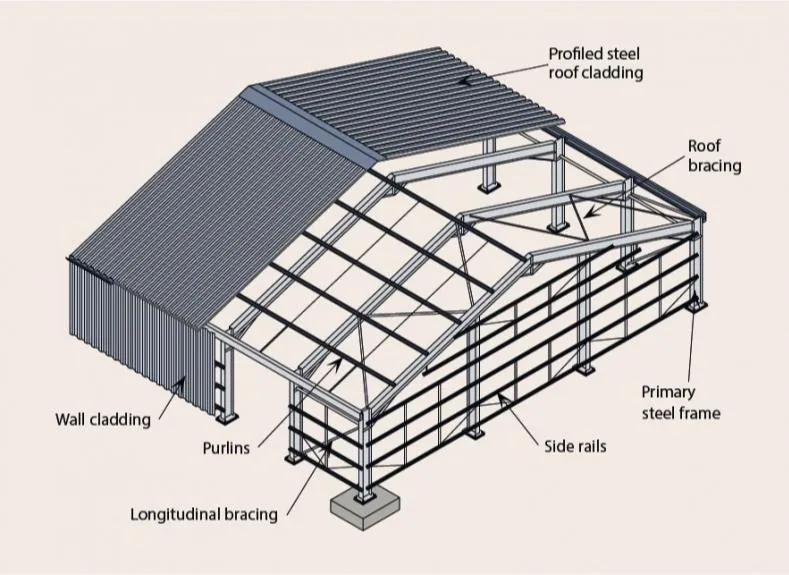
Portal Frame Design
Frame Construction 1
Frame Construction 2

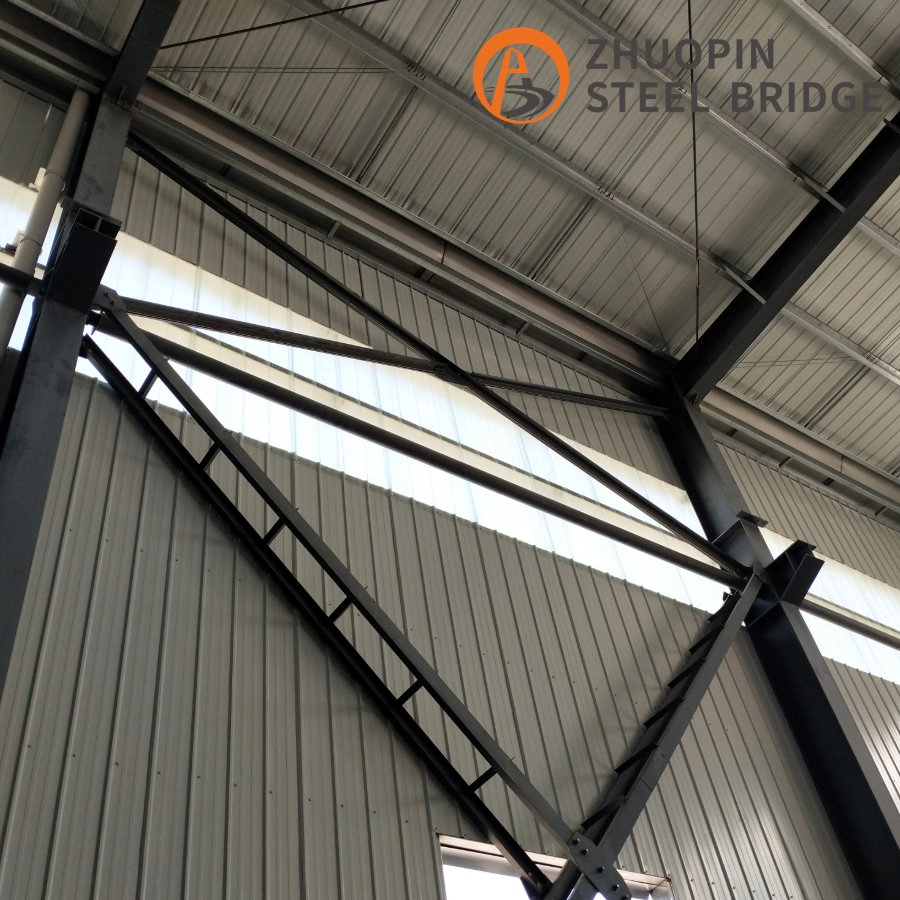
Lattice Trusses: Ideal for very large spans (greater than 50m) or facilities needing heavy plant suspended from the roof. They offer modest deflection and space for integrated services within the roof structure.
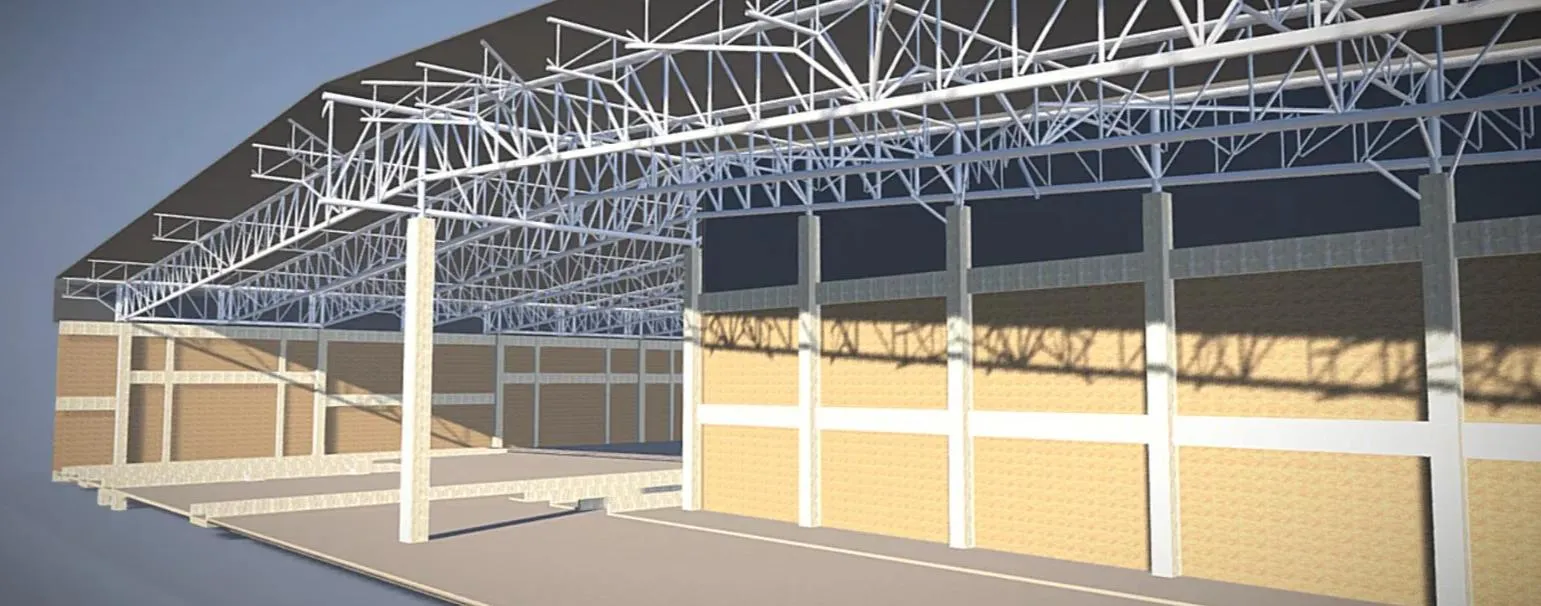
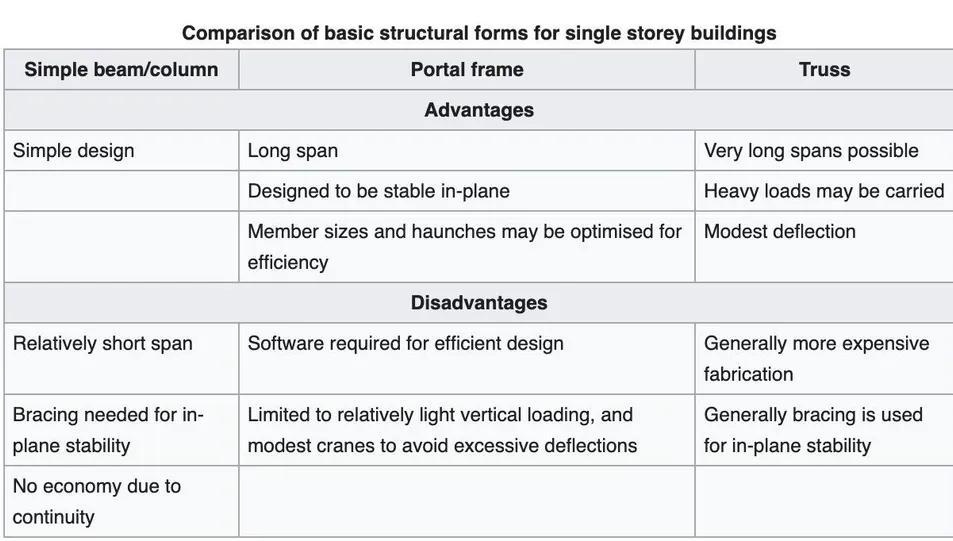
Lattice Trusses
Building Forms & Types
Building Form Choice
Portal Frame Types
Project Photo Collections
Project 1
Project 2
Project 3
Project 4
Project 5
Project 6
Project 7
Project 8
Project 9
Project 10
Steel Fabrication & Quality Control

Precision Fabrication with Advanced Equipment
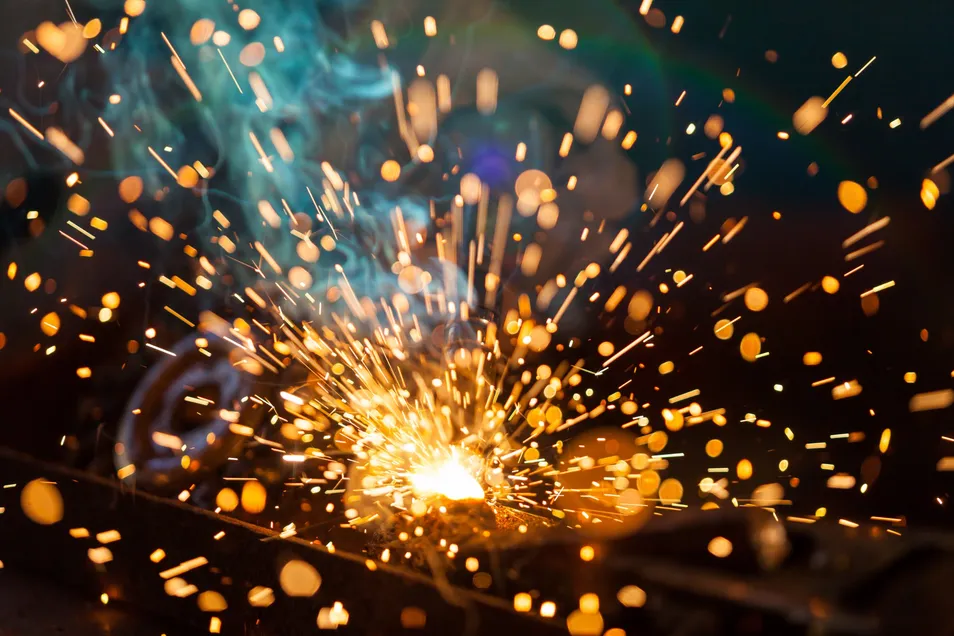
Fabrication 1
Fabrication 2
Fabrication 3
Component 1
Component 2
Component 3
Compliance Standards: AWS D1.1, AWS D1.5, AS/NZS, and EN-1090.
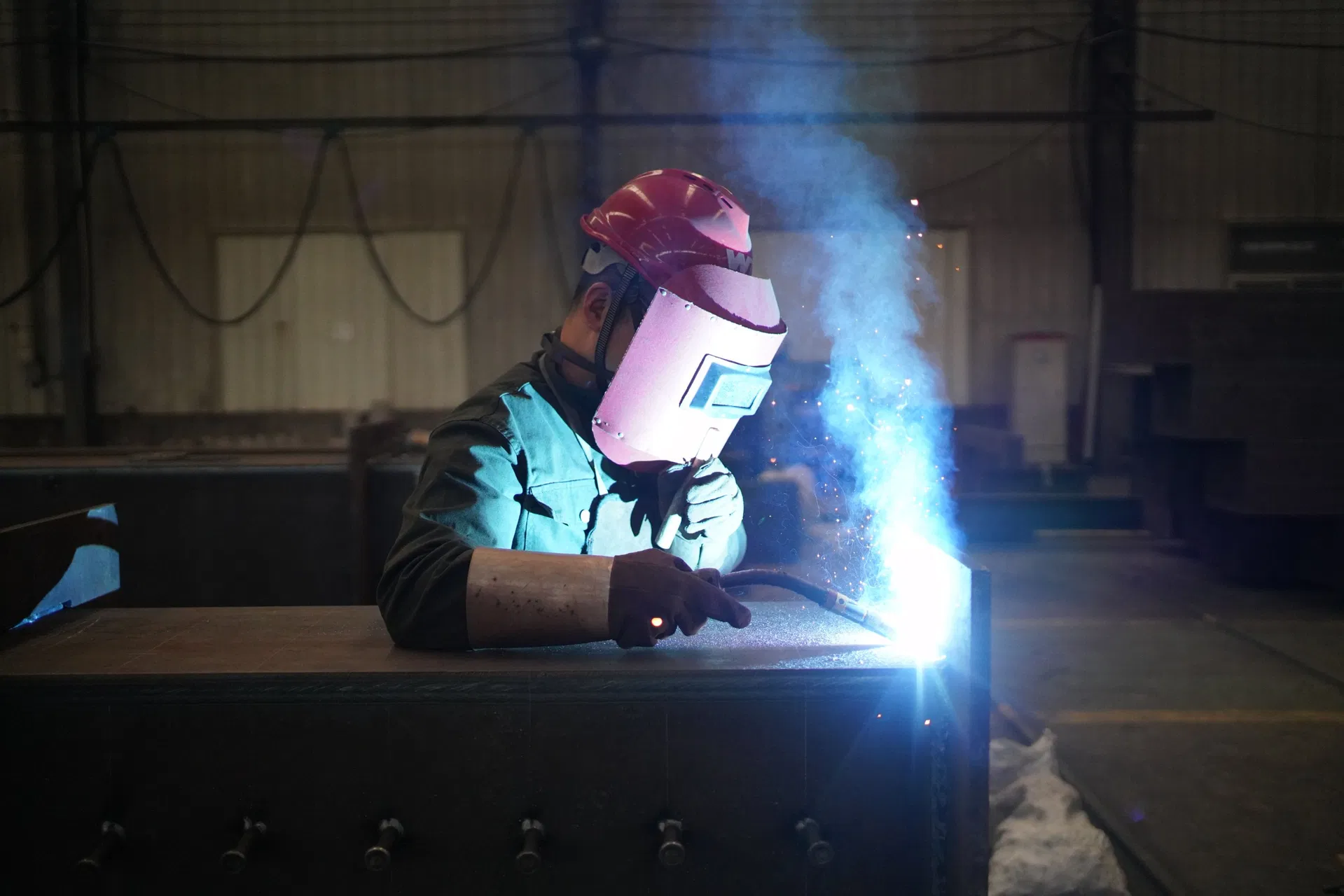
Welding
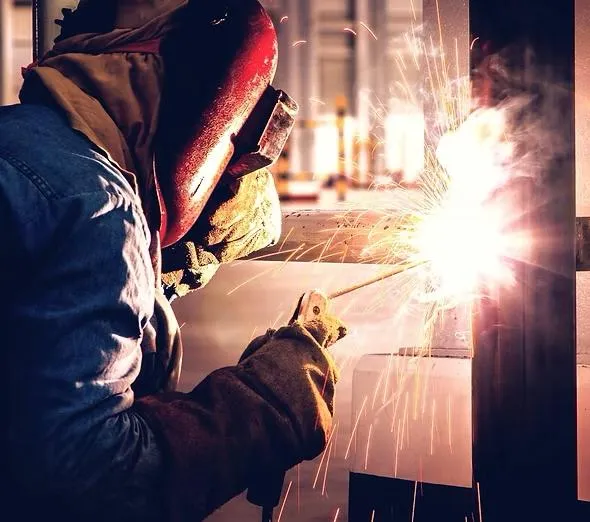
WELDING
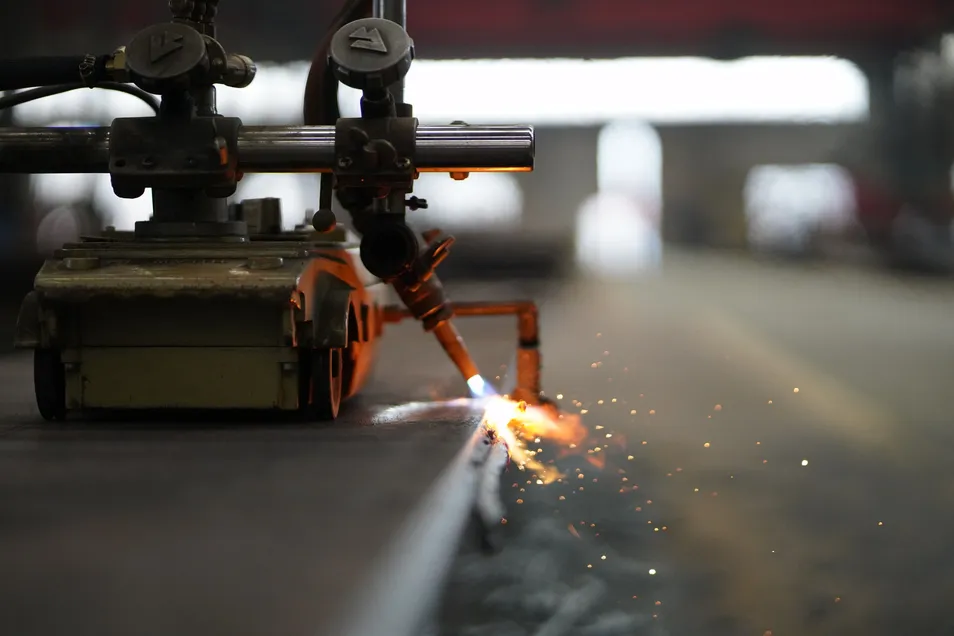
Cutting
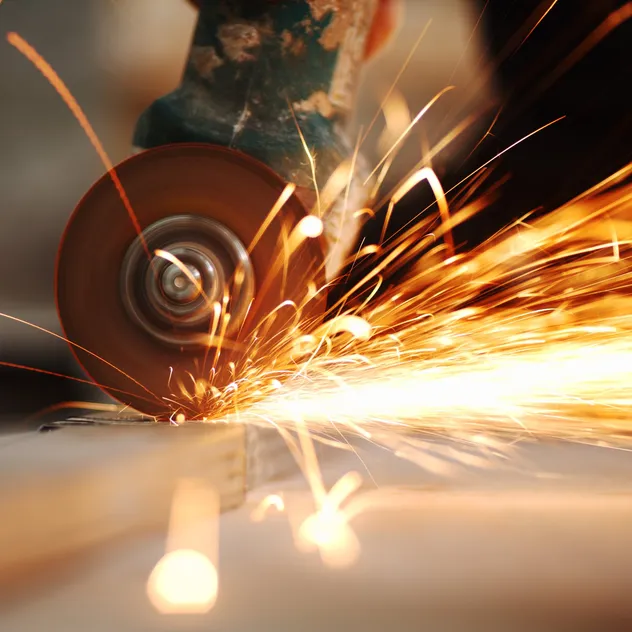
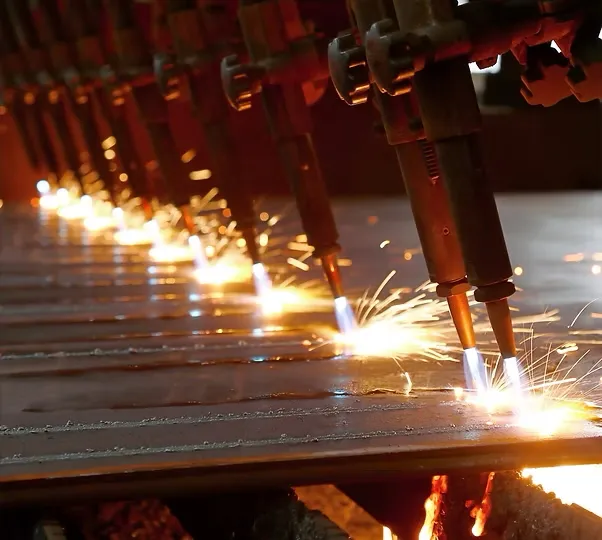
CUTTING
Fillet Welds
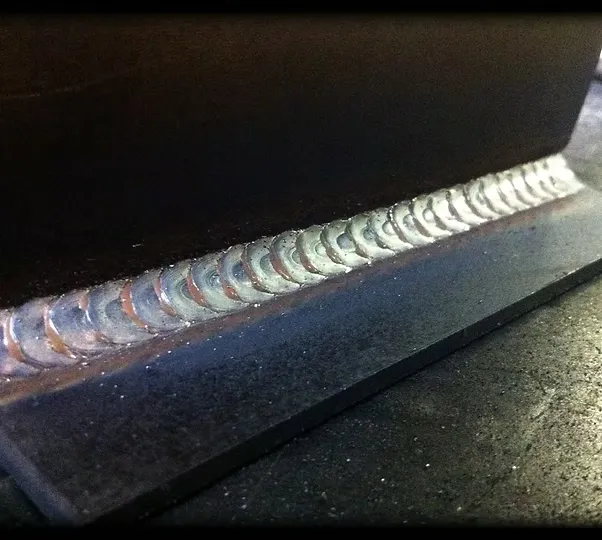
FILLET WELDS
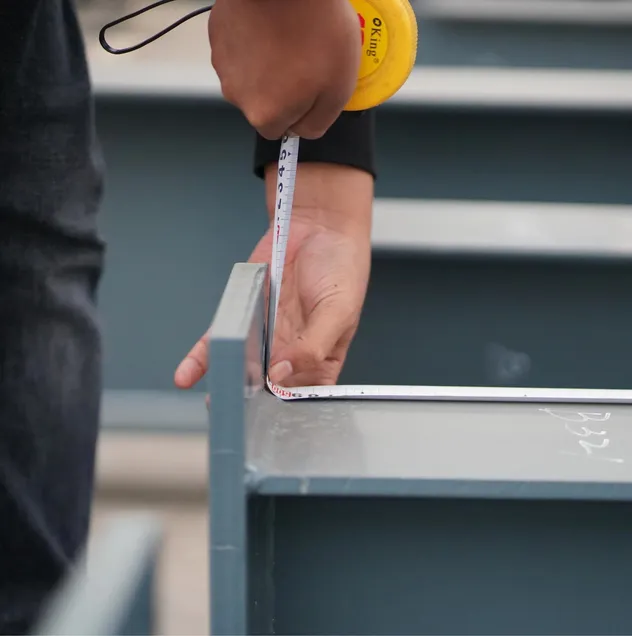
NDT Size Check
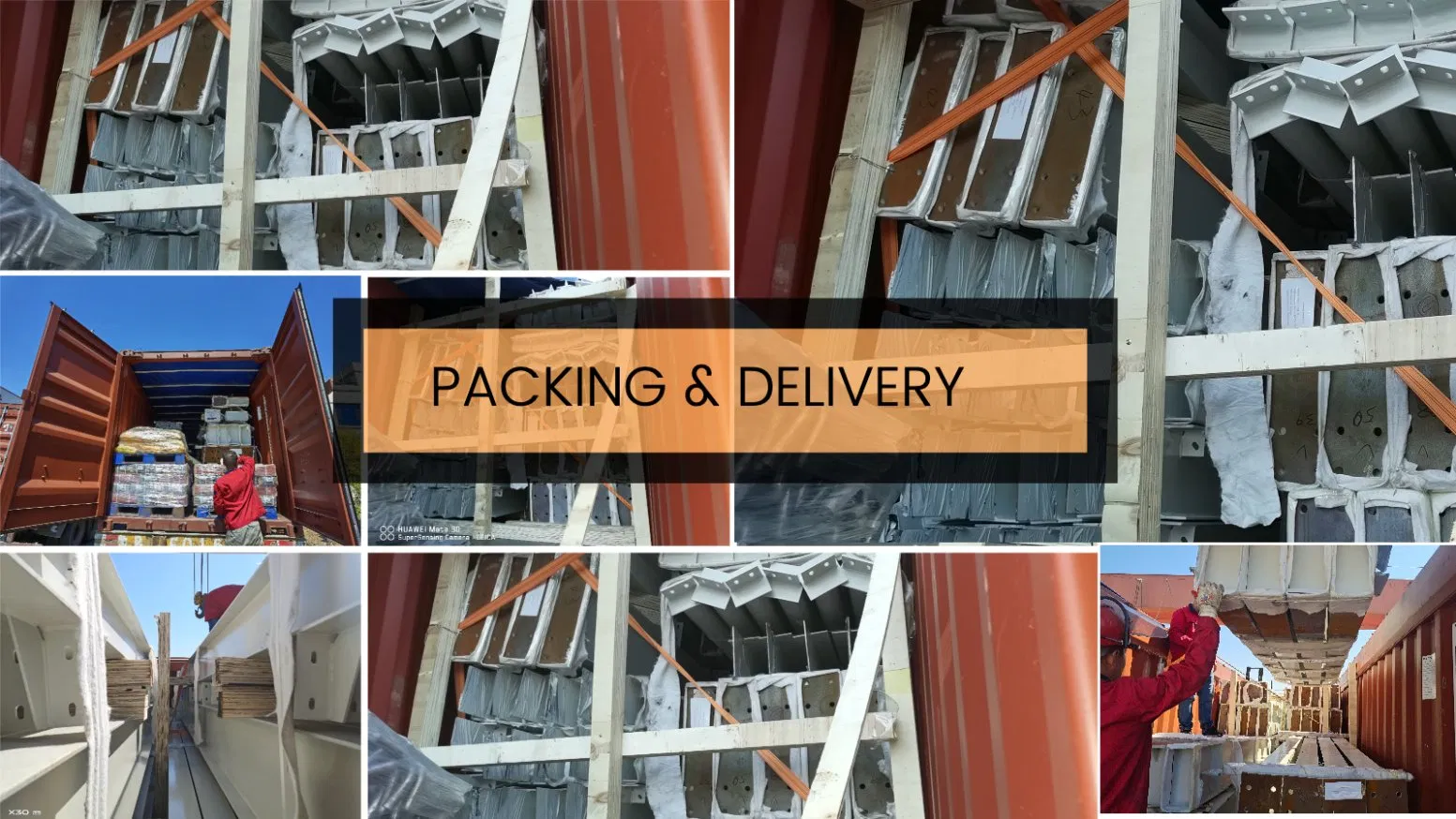
Packaging
Frequently Asked Questions
What are the primary uses for industrial steel structure buildings?
These buildings are primarily used for workshops, factories, industrial/distribution warehouses, and retail or leisure facilities, accounting for over 70% of the global industrial construction market.
What are the main framing options for single-storey buildings?
The two main options are portal frames, which use hot-rolled beams and columns, and lattice trusses, which are ideal for very large spans or heavy plant suspension.
How does steel construction support environmental sustainability?
Steel construction promotes sustainability through material recycling and re-use, minimal CO2 energy burdens, low waste production, and lightweight construction methods.
What information is needed to get a price quote?
Key details include exact dimensions (L*W*H), maximum wind and snow loads, earthquake grade, live/dead loads for flooring, crane lifting requirements, and specific wall/roof material preferences.
Which quality standards are followed during fabrication?
Fabrication complies with international standards such as AWS D1.1, AWS D1.5, EN-1090, ISO 9001:2008, and AS/NZS welding requirements.
Why choose lattice trusses over standard portal frames?
Lattice trusses are chosen for spans exceeding 50m, when heavy equipment needs to be suspended from the roof, or when deflection criteria are particularly critical.
Management Systems:
ISO 9001:2008 (Quality) | ISO 14001:2004 (Environmental) | OHSAS 18001:2007 (Health & Safety)

Related Products