PYO Homes
1 / 5
What is a Pre-engineered Steel Building (PEB)?
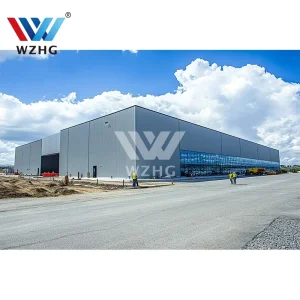
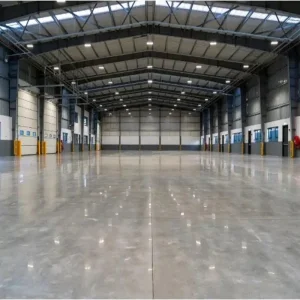
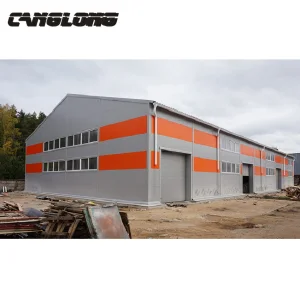
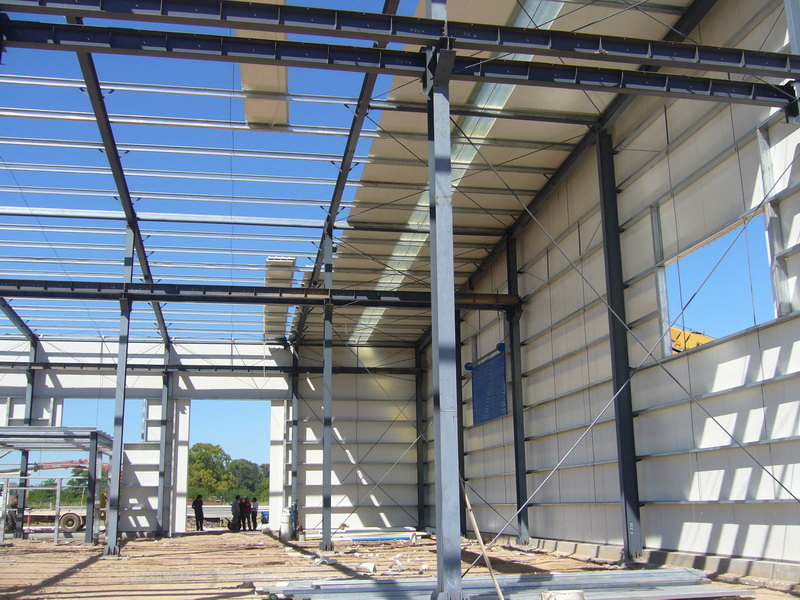
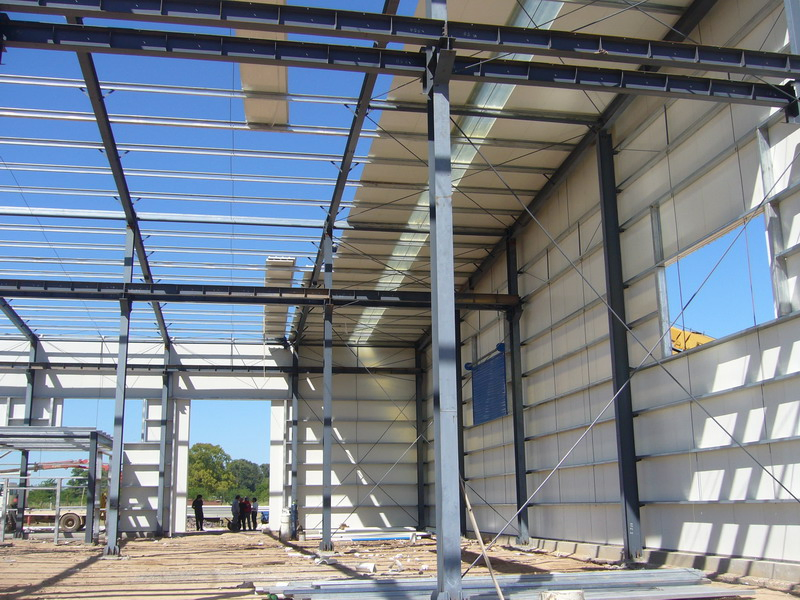
Pre-engineered steel buildings are structural systems built using primary members, secondary members, and roof/wall sheeting connected together. These systems are custom-designed to be lighter in weight while maintaining high strength, offering a versatile solution for modern construction.
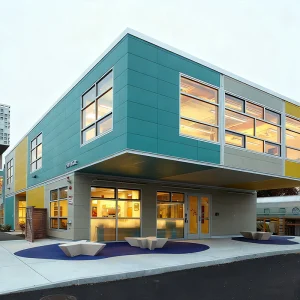
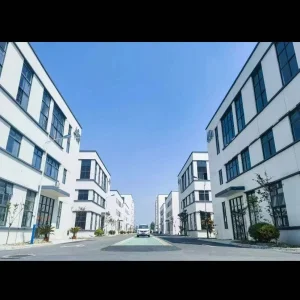
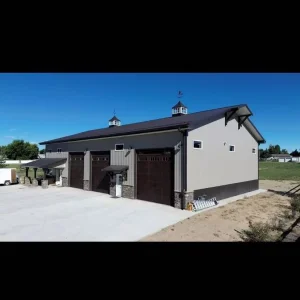
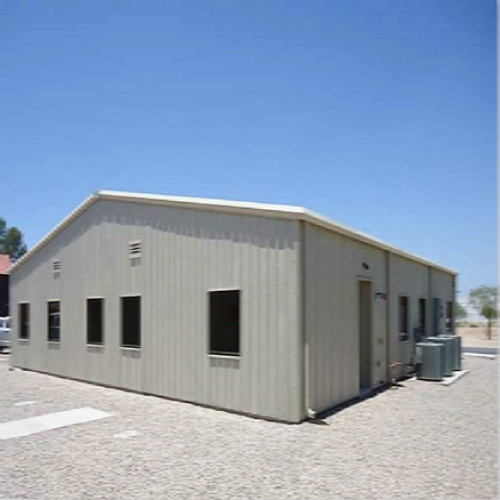
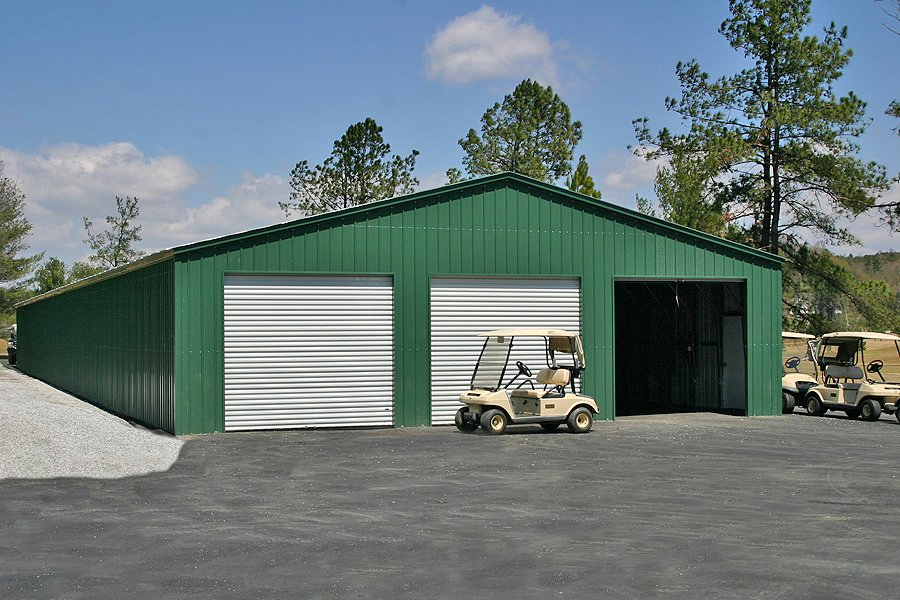
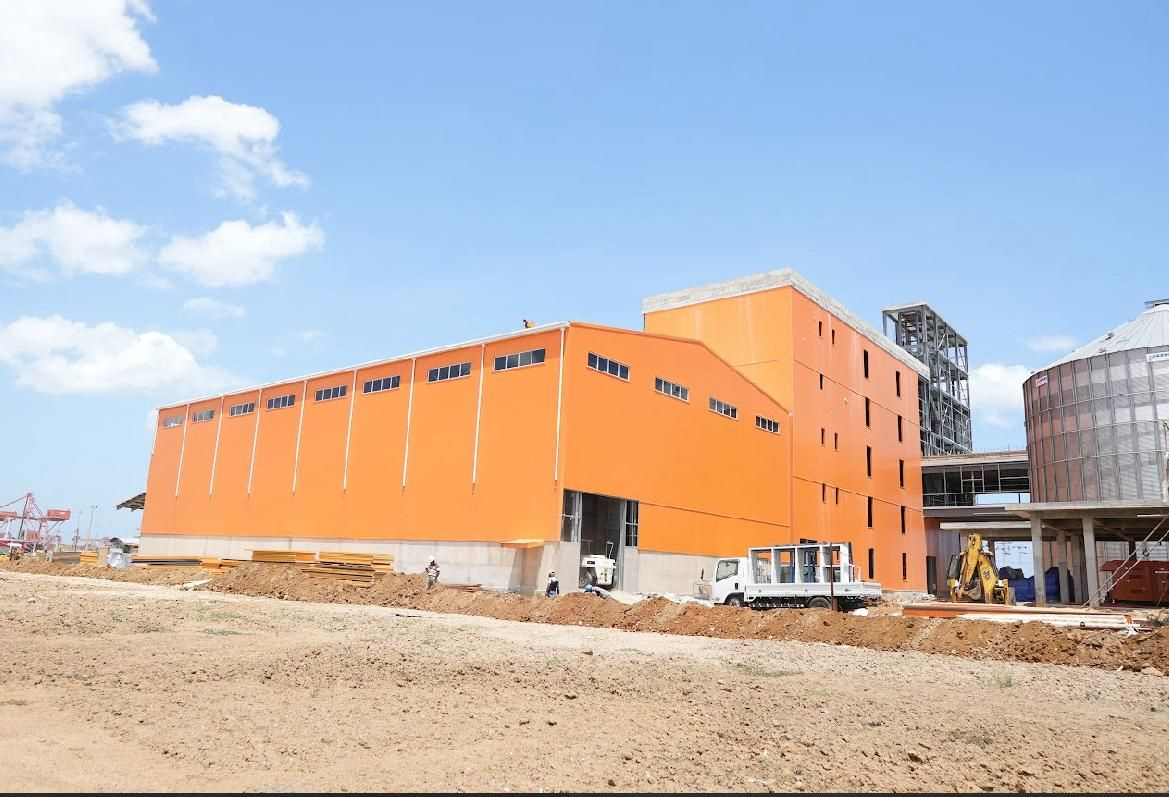
Pre-engineered buildings are the most flexible solutions for contractors and owners. They are widely used across various sectors:
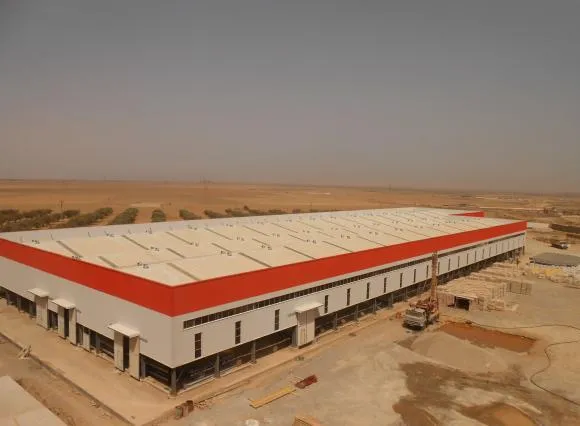
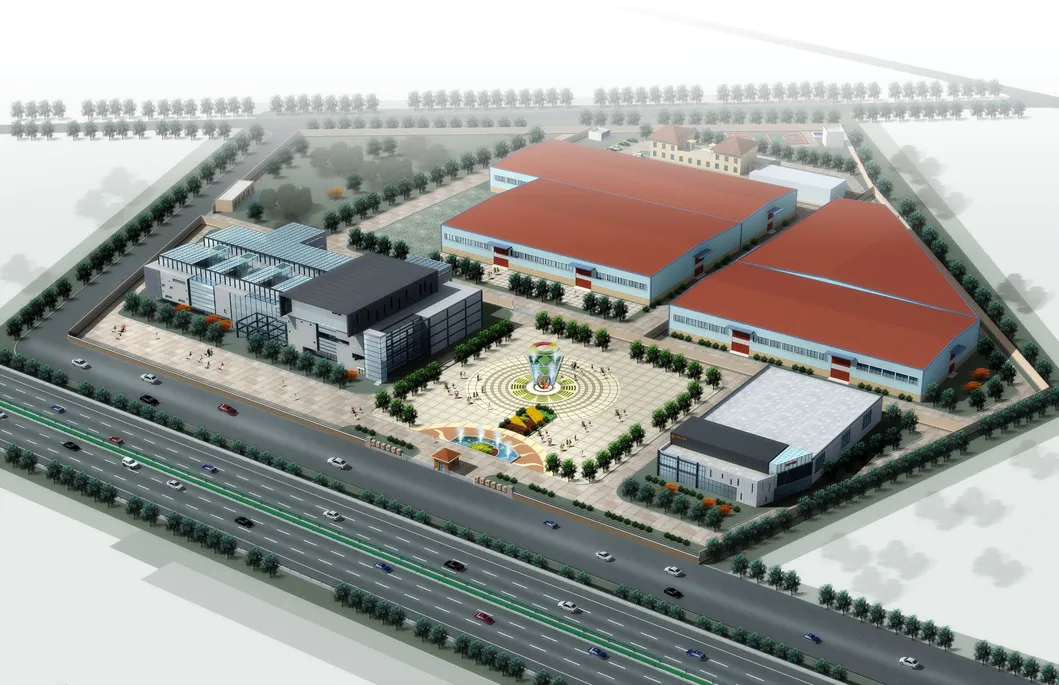
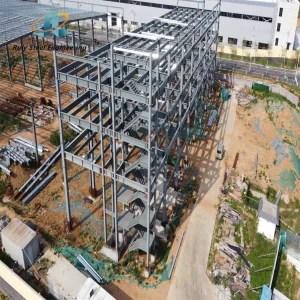
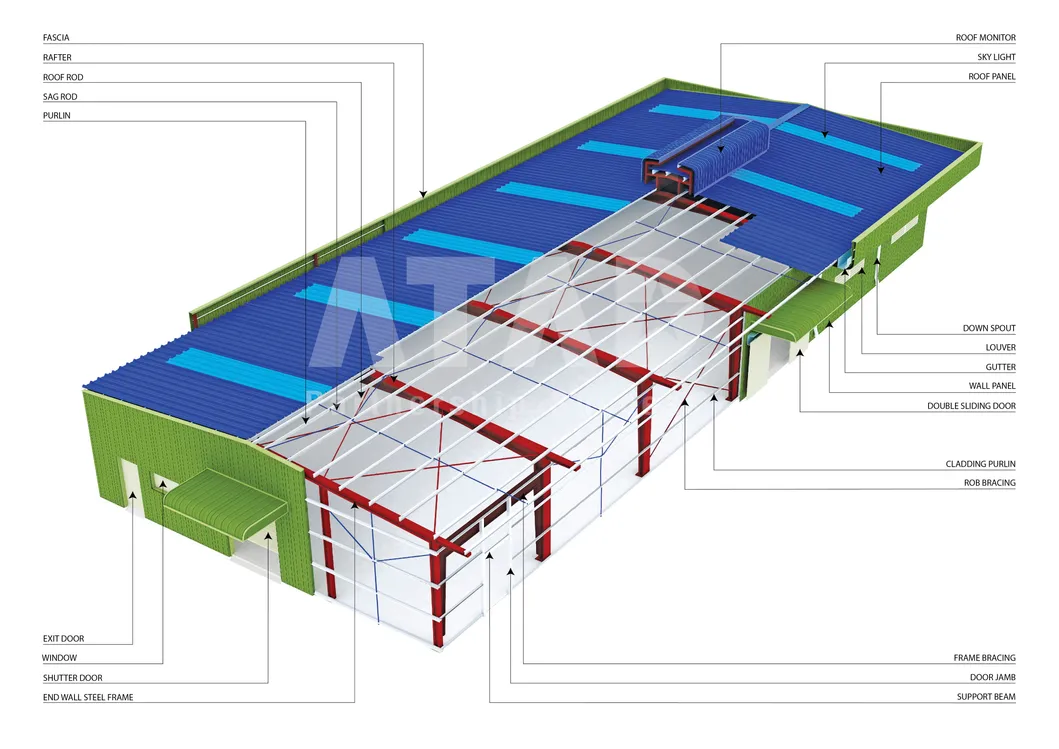
A standard pre-engineered metal building consists of:
These are the main load-carrying supports, including columns and rafters. Their size and shape vary based on specific load requirements.
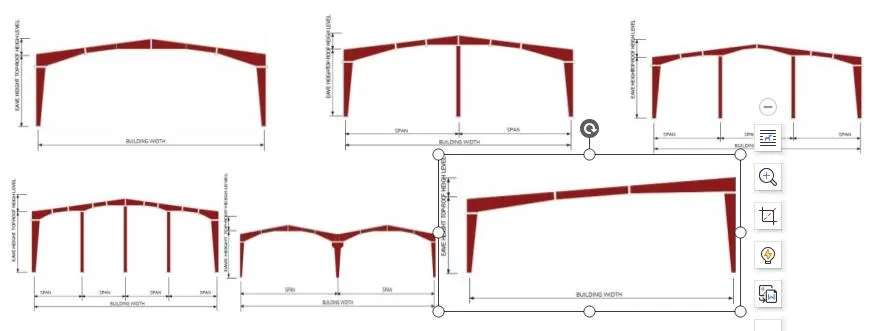
Includes purlins, girts, eave struts, and wind bracing. Standard steel panels range from 0.3mm to 0.6mm thickness with high-strength galvanized coatings.
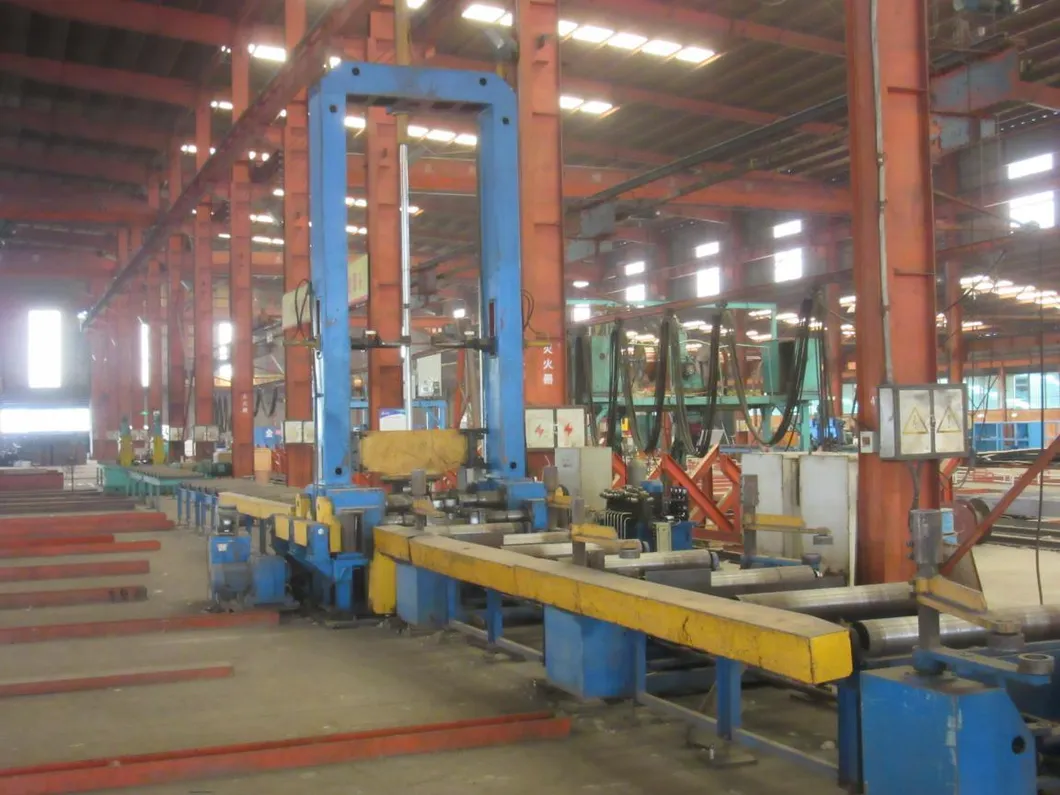
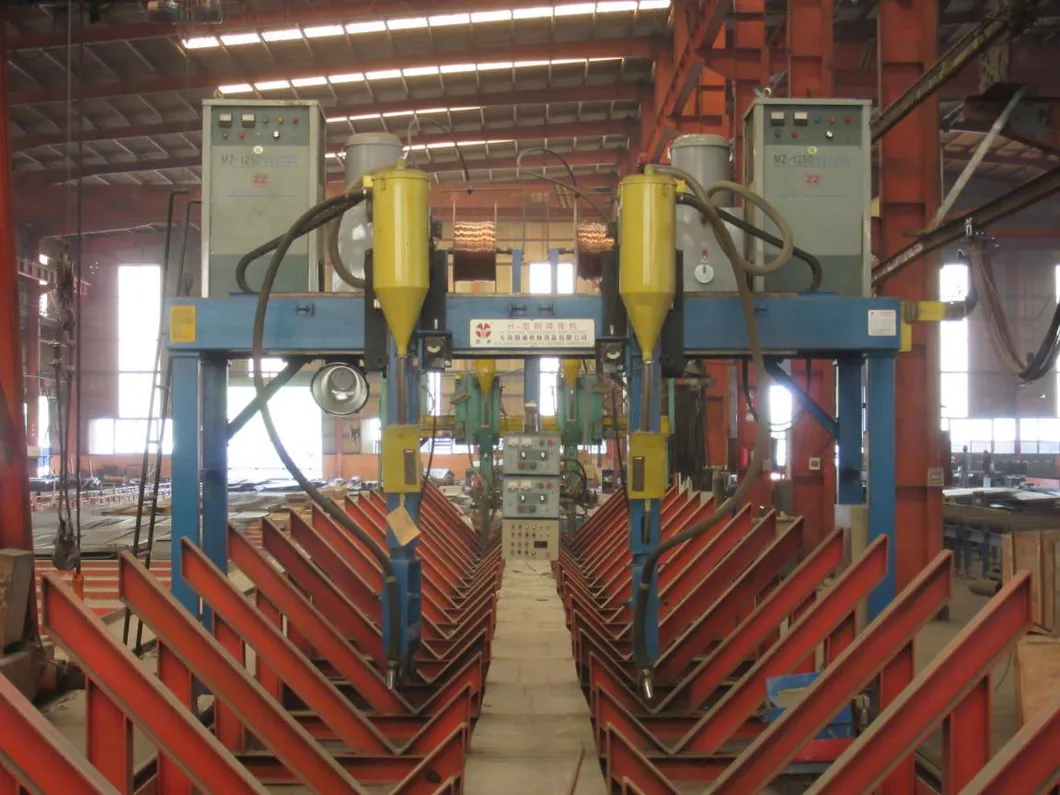
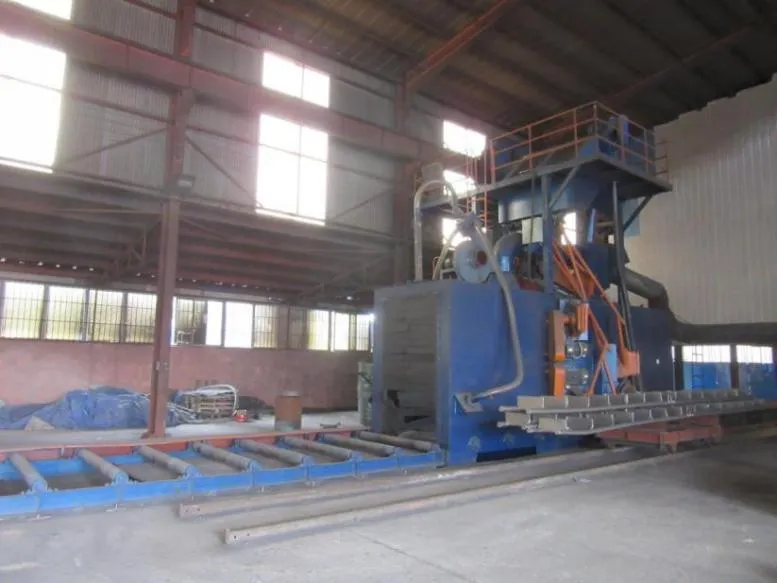
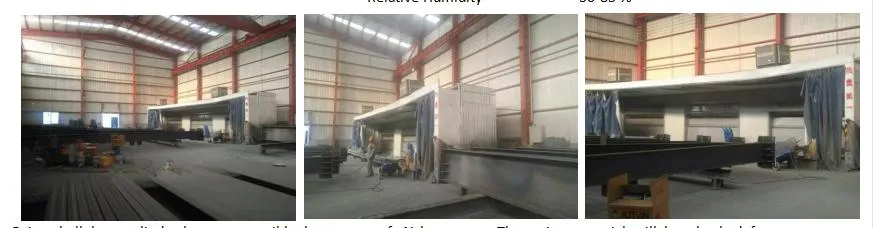
Our fabrication process includes precise material receiving, automated CNC cutting, fit-up, submerged arc welding, shot blasting, and high-quality painting.
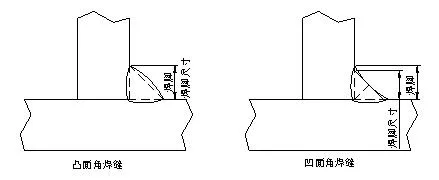
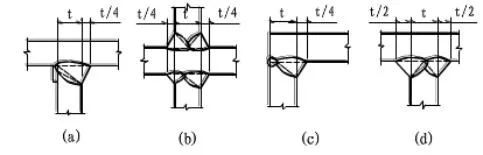
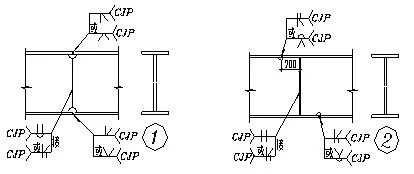
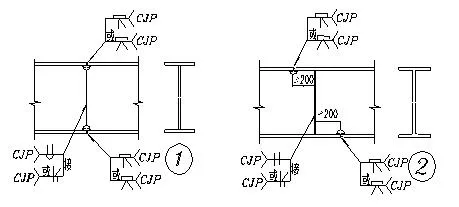
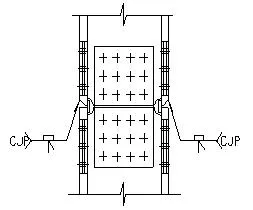
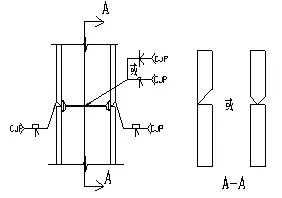
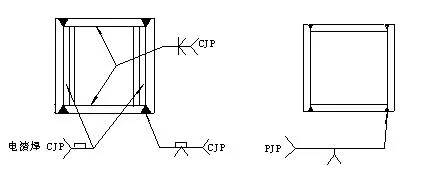
| Form of Fillet Weld Leg | K (Size) Value | Note |
|---|---|---|
| Fillet weld without groove | K=(0.7~1)t and ≤15mm | Standard steel structures |
| Secondary members | K=(0.5~0.6)t | Strengthening ribs |
| Groove weld (CJP/PJP) | K=t/4 and K≤10mm | General applications |
| Important members | K=t/2 and K≤10mm | Crane beams/heavy connections |
Our facility utilizes advanced machinery including Portable CNC Fire-cutting machines (CNCDG-1530), Straight flame cutting machines, Gantry-type submerged arc automatic welding units, and 10-ramming head shot blasting machines to ensure Sa2.5 grade finishing.
PEBs offer significant cost savings (25-30% lower than traditional steel), much faster construction times (up to 60% faster), and great flexibility for future expansion.
Our pre-engineered steel buildings are designed for a long-term life cycle of at least 50 years with proper maintenance.
Yes, every building is custom-designed based on customer requirements, including additions like crane systems, mezzanine floors, and specialized insulation.
Our products and processes comply with international standards including ISO and SGS certifications, ensuring consistent quality control.
We offer a variety of sandwich panels including EPS, Rock Wool, Glass Wool, and PU, providing excellent thermal and sound insulation.
No, all components are fabricated at the factory and linked by bolts at the site. This makes the assembly process fast, easy, and requires only simple equipment.