📊 Basic Information
Engineering Team
20 Members
Quality Control
Daily Inspection
Construction Period
60 Days
Service
Turnkey Solution & Aftersale
Specification
SGS / ISO / BV
Production Capacity
2000 ton/Month
🏗️ Product Overview
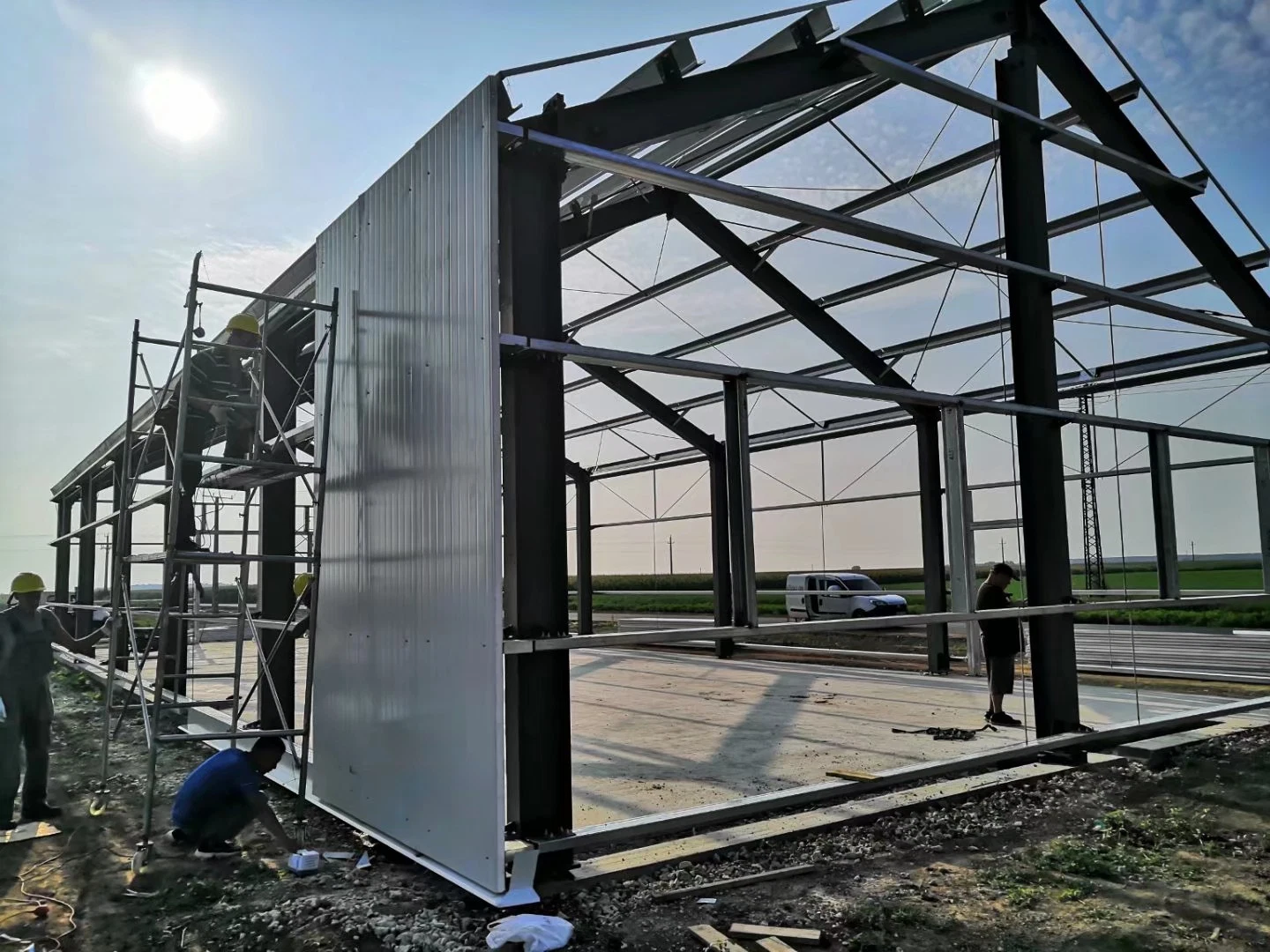
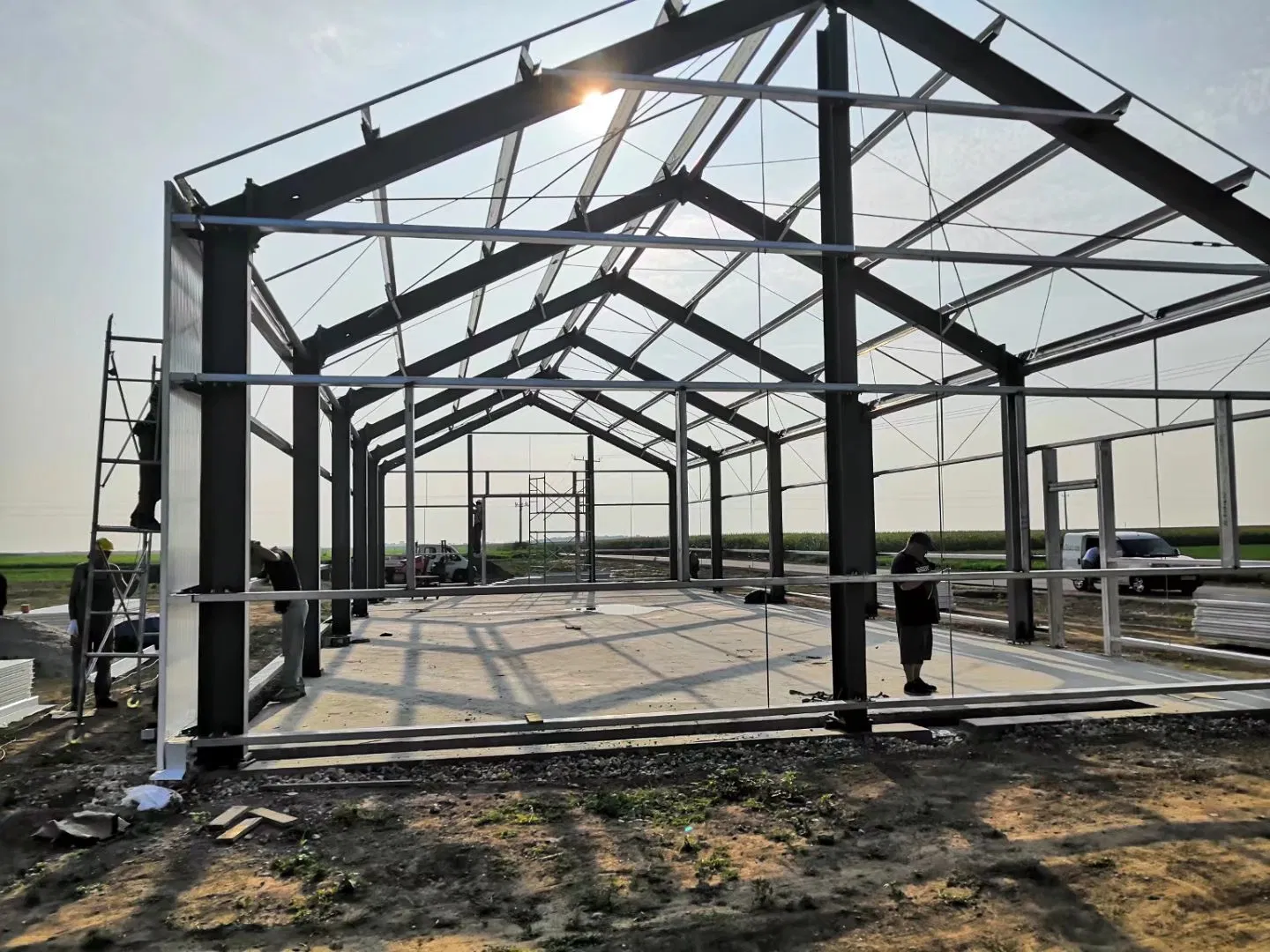
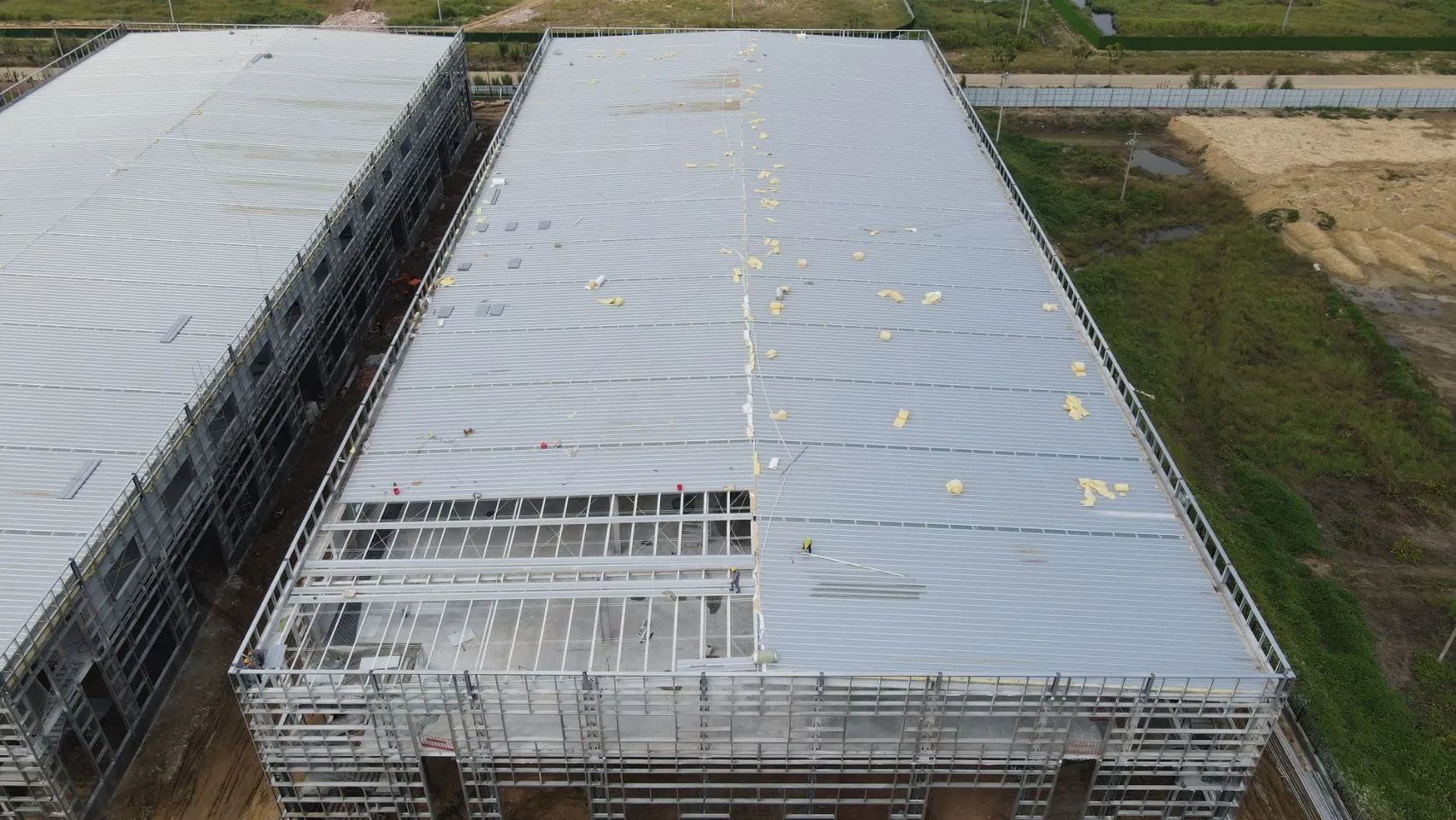
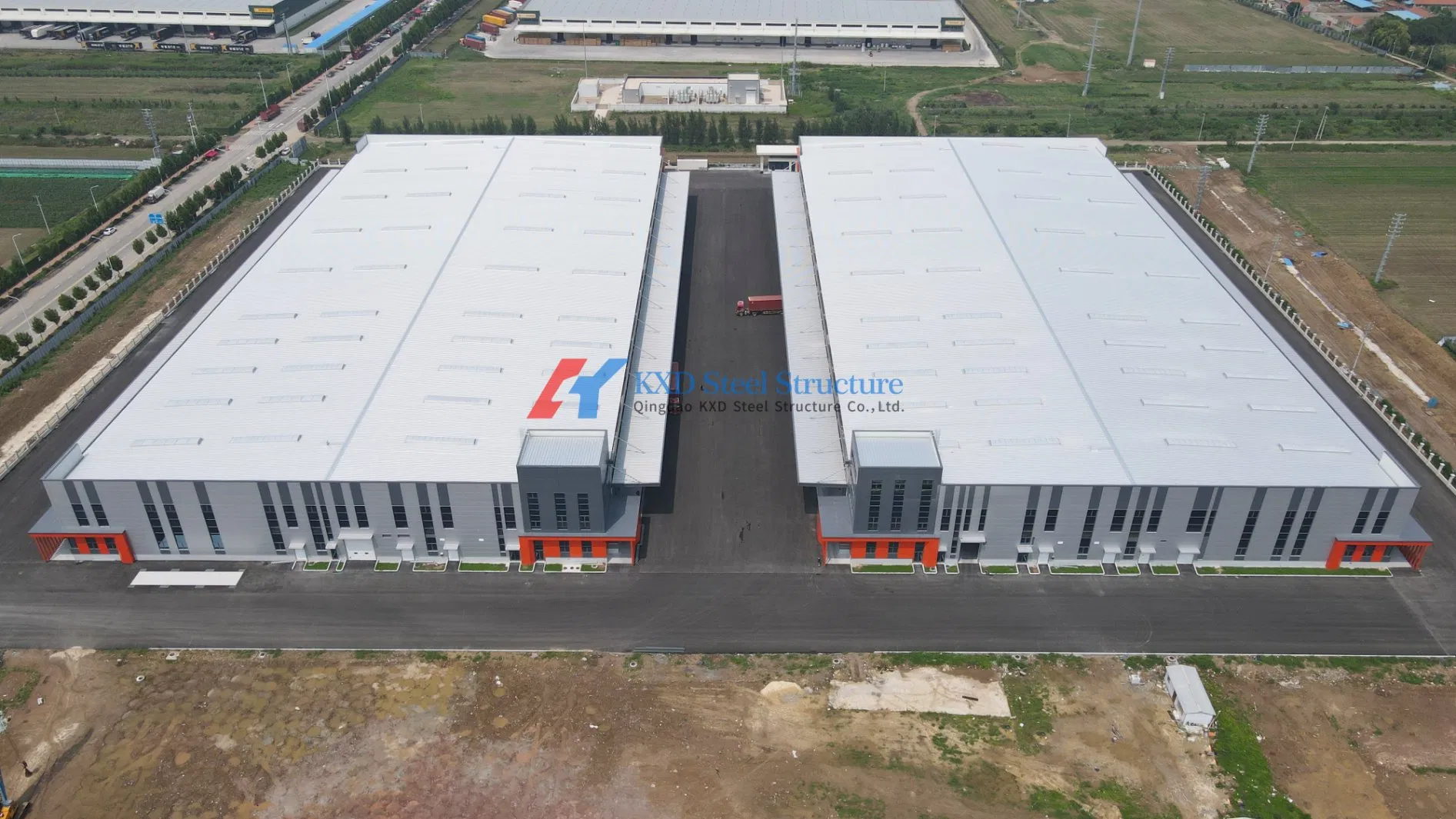
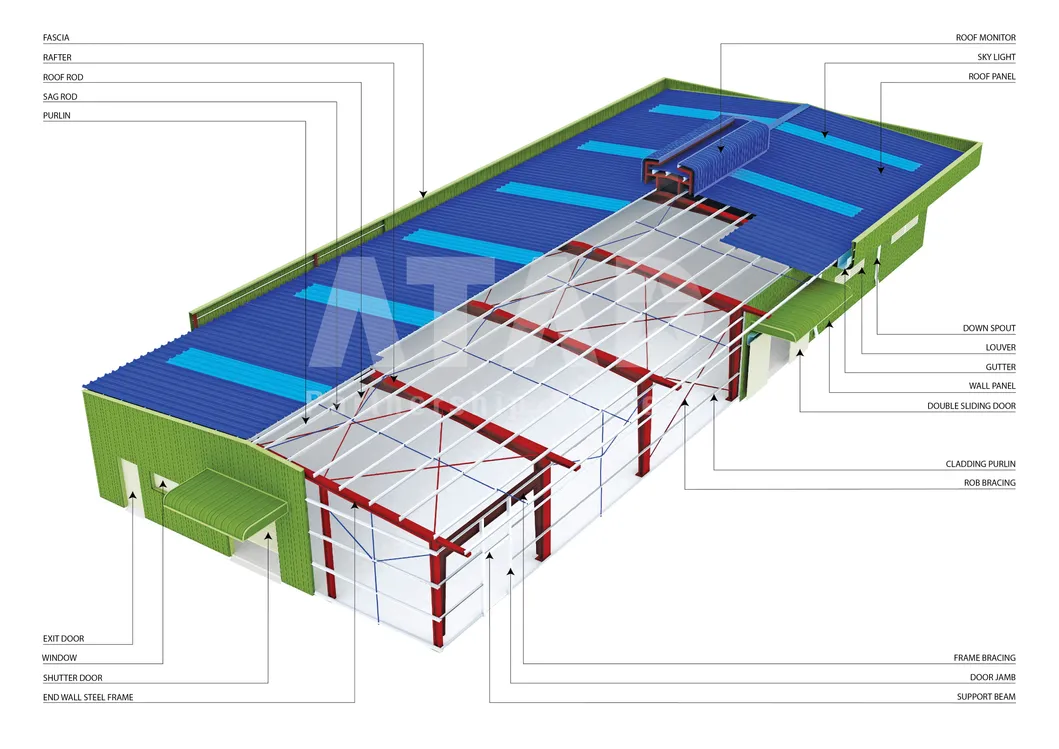
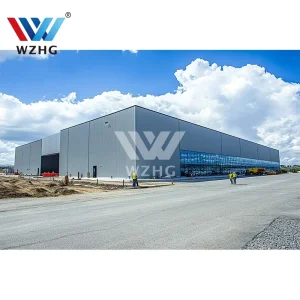
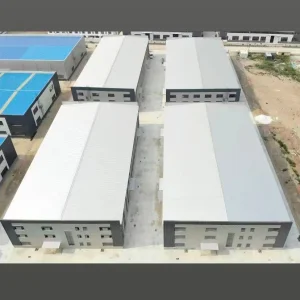
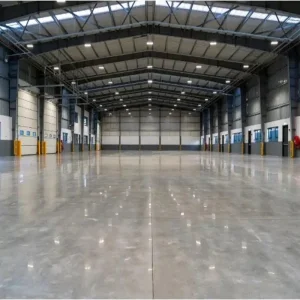
Pre-engineered steel buildings (PEB) are structural systems built over a concept of primary members, secondary members, roof, and wall sheeting connected to each other and various other building components.
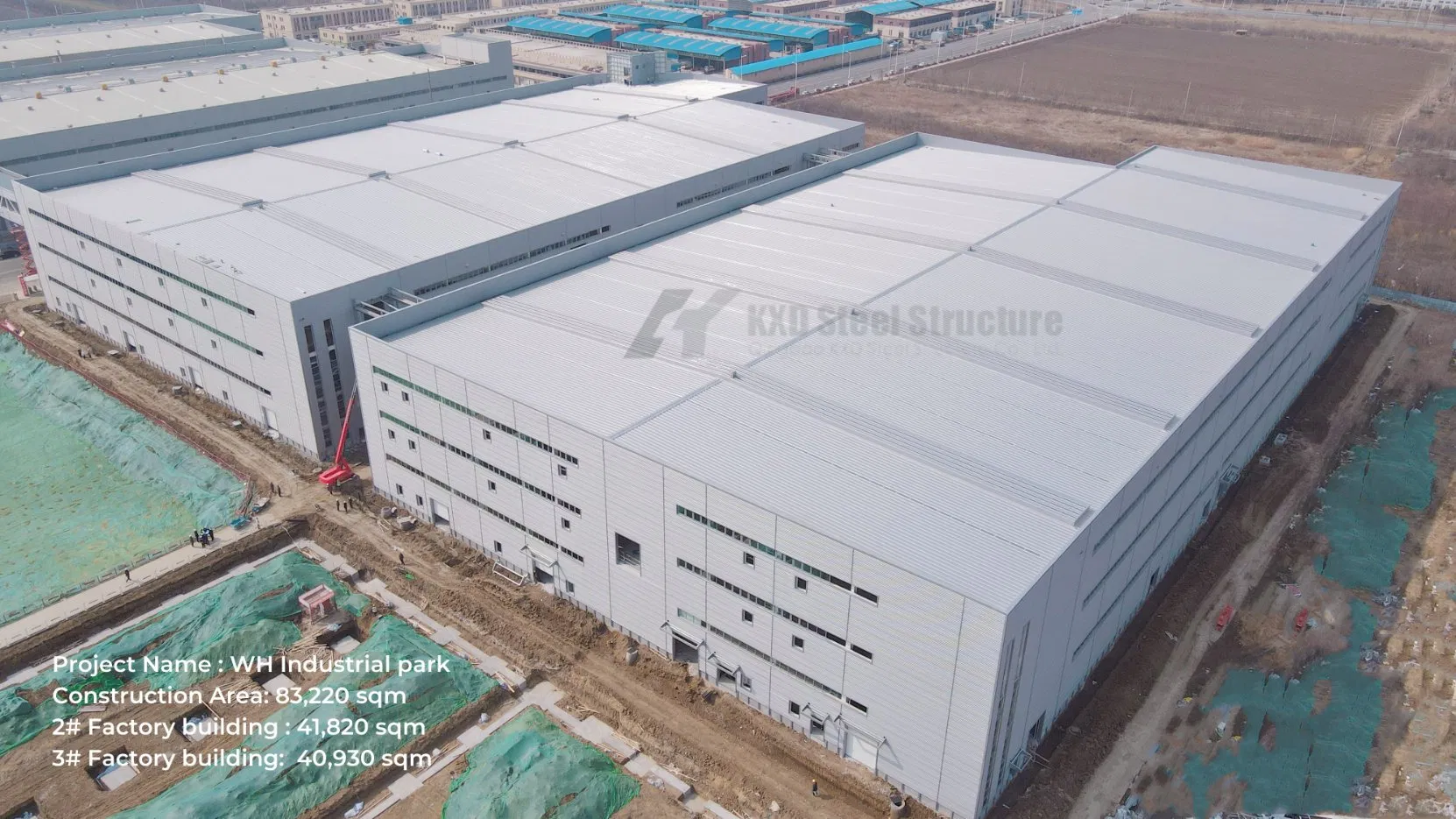
These buildings can be customized with various structural and non-structural additions such as skylights, turbo vents, ridge ventilators, mezzanine floors, crane systems, and insulation based on specific requirements. All buildings are custom-designed to be lighter in weight and high in strength.
🏢 Wide Applications
Pre-Engineered Buildings are flexible solutions known for low cost, high durability, and fast erection. They are ideal for:
🏭 Industrial
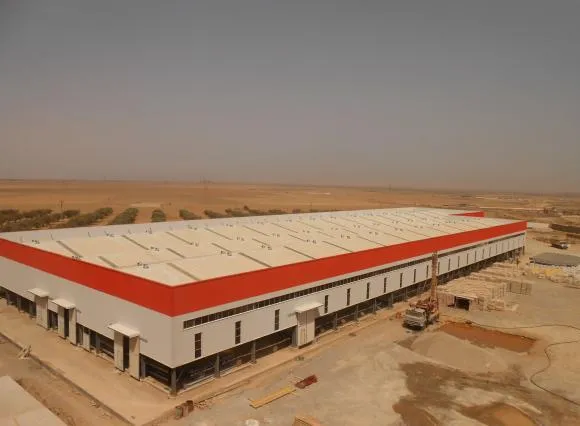
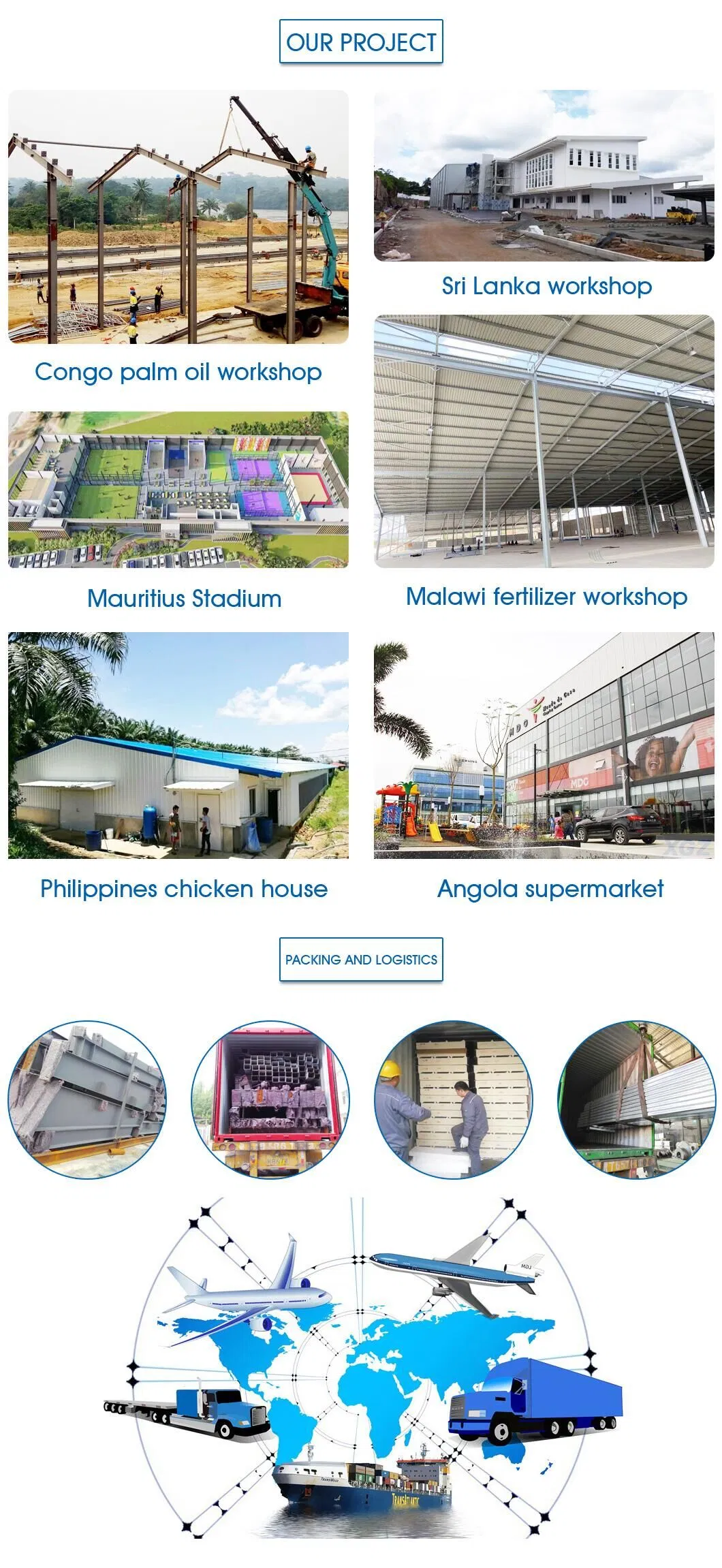
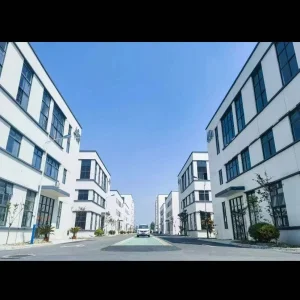
Factories, Workshops, Warehouses, Cold Storages, Steel Mills, Assembly Plants.
🏪 Commercial
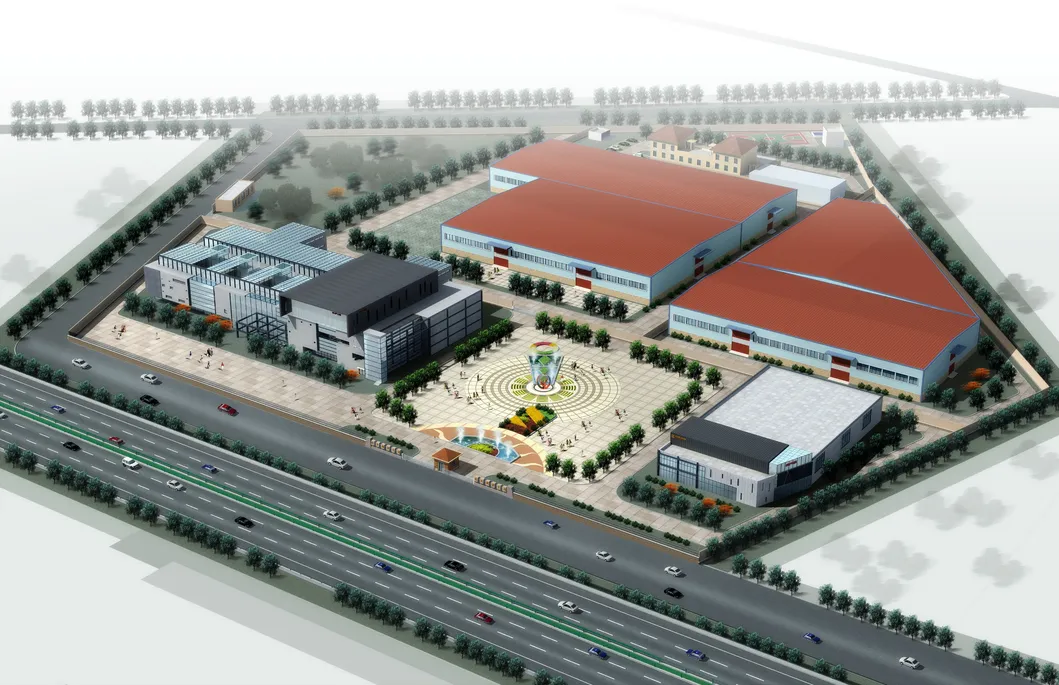
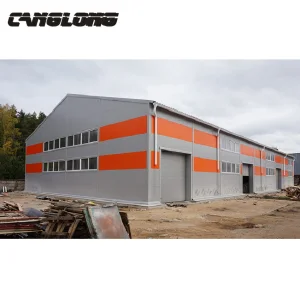
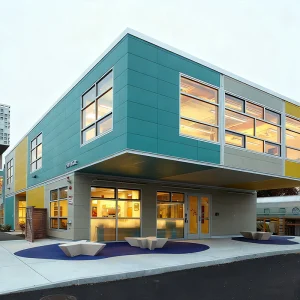
Showrooms, Supermarkets, Offices, Shopping Centers, Logistics Centers.
🏫 Public & Others
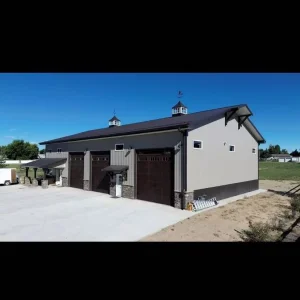
Schools, Hospitals, Stadiums, Aircraft Hangars, Farms, Pump Stations.
✅ Why Choose PEB?
1. Cost Savings
Price per square meter can be 25%-30% lower than conventional steel buildings. Site erection costs are minimized due to faster installation.
2. Quick Erection
Components are pre-fabricated and bolt-linked. Requires 60% less construction time compared to traditional reinforced concrete (R.C.C) buildings.
3. Flexibility
Easy to expand in the future and economically advantageous for transportation.
4. Energy Efficiency
A green solution with CO2 reduction, high recyclability, and energy-efficient performance.
🔧 Core Components
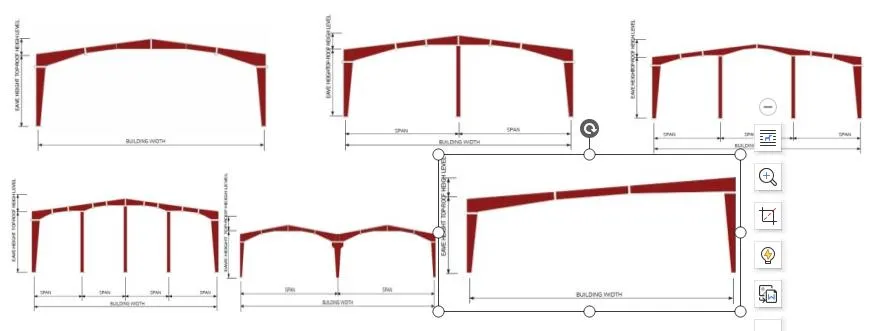
Primary Members / Main Frames
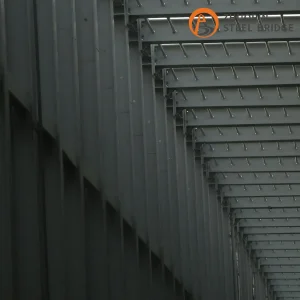
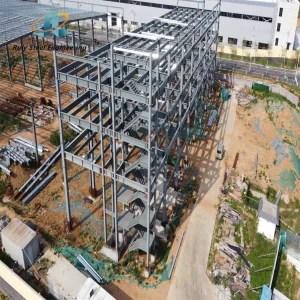
Includes columns, rafters, and support members that carry the main load. Shapes and sizes vary by application.
Secondary Members & Panels
- Secondary Framing: Purlins, girts, eave struts, and bracing (minimum yield strength 345 MPa).
- Roof & Wall Panels: 0.3mm to 0.6mm thickness, galvanized with zinc or zinc-aluminum coating.
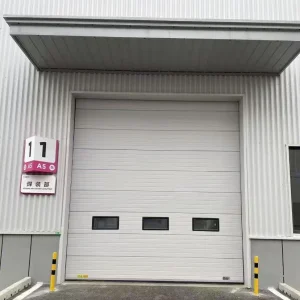
- Accessories: Anchor bolts, gutters, doors, windows, and ventilators.
🏭 Manufacturing & Quality Control
Methodology & Process
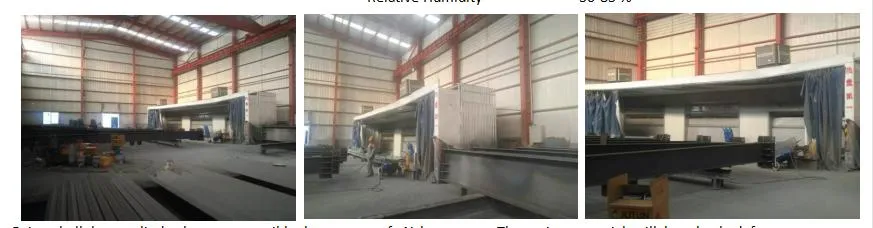
The fabrication process follows strict guidelines from material receiving to final shipping:
- Material Verification: Dimensional and visual inspection of raw plates and beams.
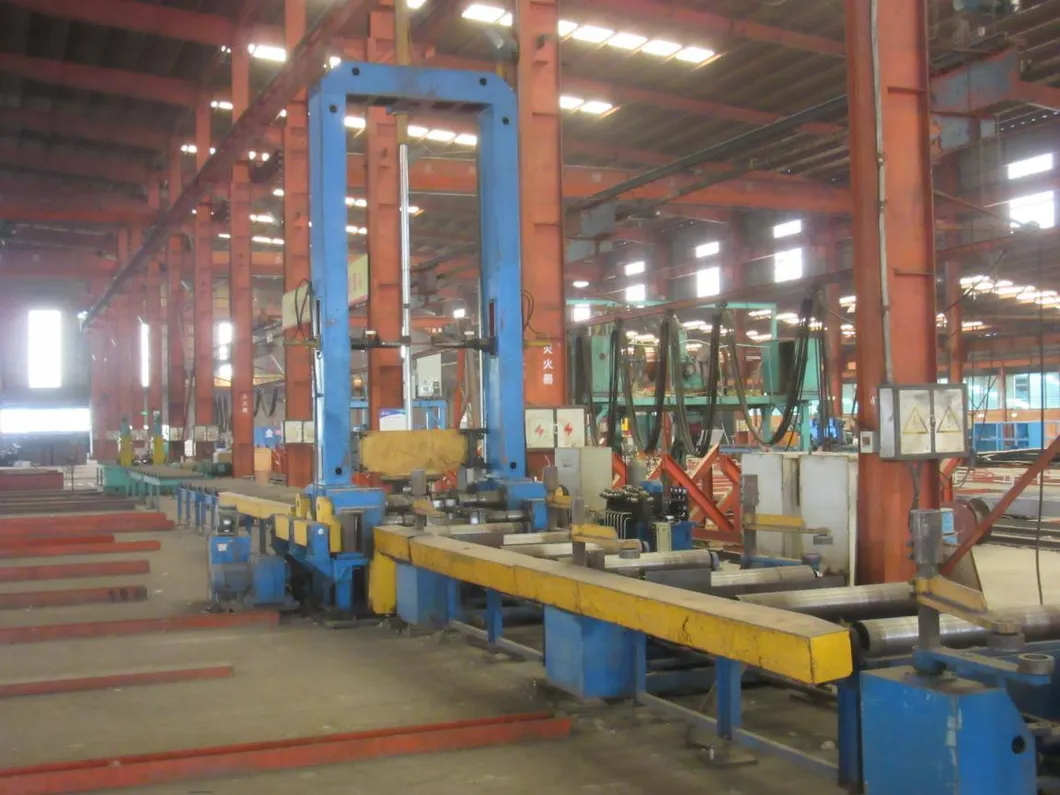
- Plate Processing: CNC cutting, drilling, and plasma cutting for precision.
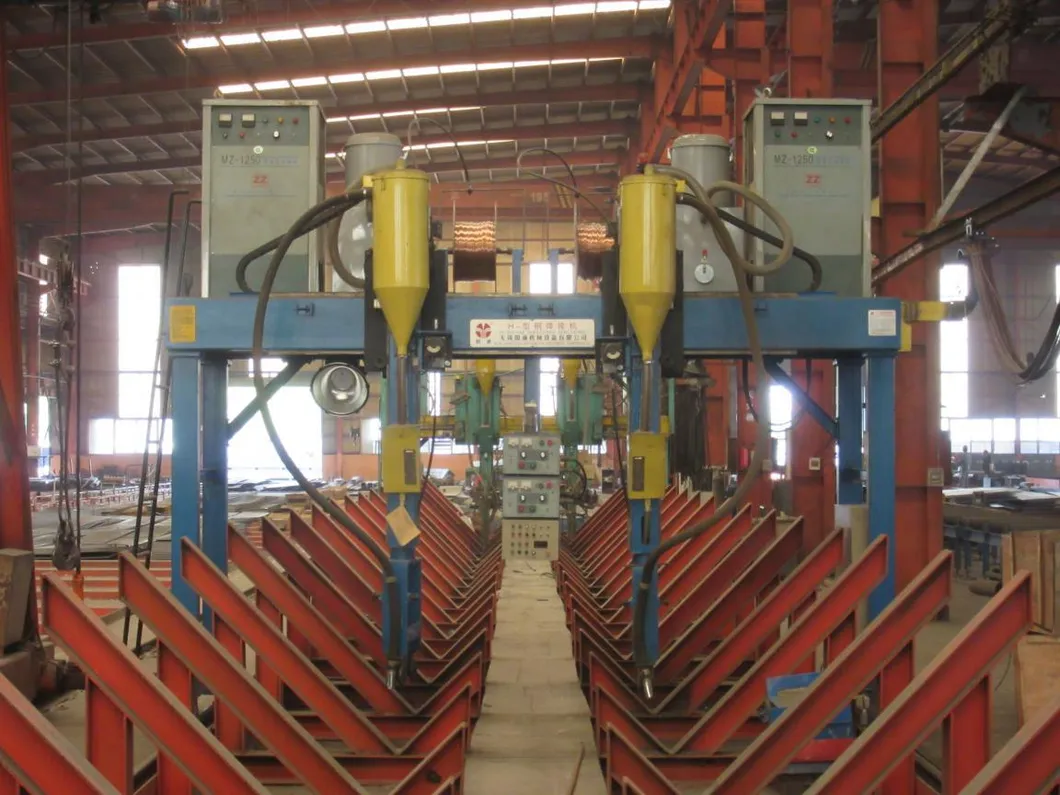
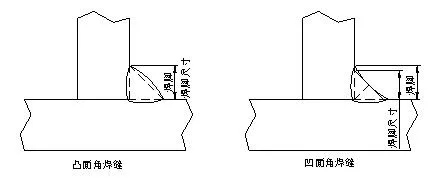
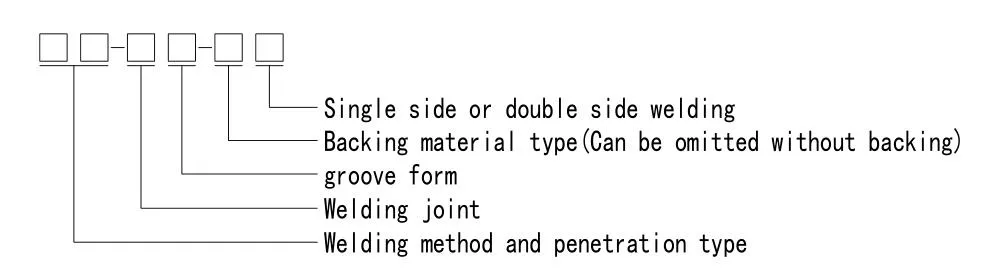
- Fit-up & Welding: Submerged Arc Welding and MIG Welding as per standard GB50661-2011.
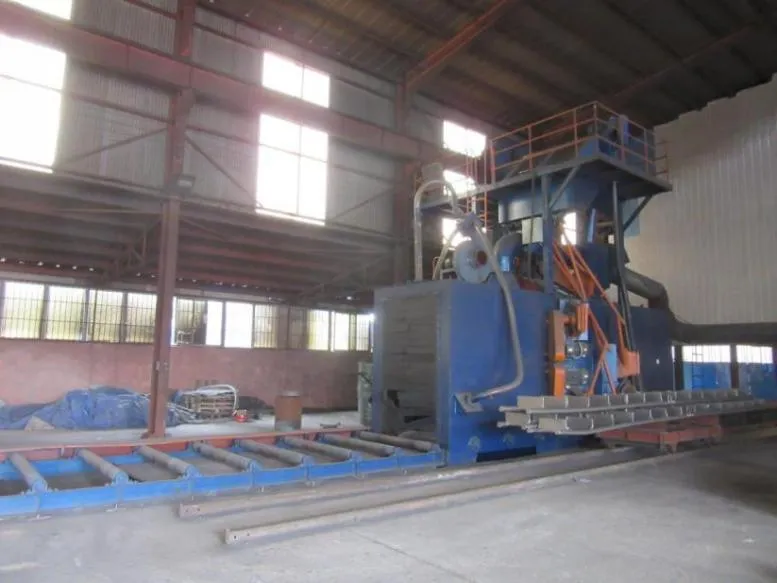
- Surface Treatment: Automated shot blasting (Grade SA 2.5) followed by controlled painting.
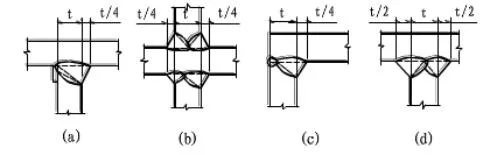
Welding & Beveling Standards
| Form of Fillet Weld Leg |
K (Size) Value |
Application Note |
| Without Groove |
K=(0.7~1)t and ≤15mm |
Standard steel buildings |
| Without Groove |
K=(0.5~0.6)t |
Secondary members |
| With Groove (CJP/PJP) |
K=t/4 and K≤10mm |
General structures |
⚙️ Production Equipment
- Portable CNC Fire-cutting: 5-100mm thickness.
- Radial Drilling Machine: Max diameter φ50mm.
- H-Section Assembly Machine: Flange width 150-800mm.
- Gantry-type Automatic Welding: Submerged arc process.
- 10-Ramming Heads Shot Blasting: Achieves Sa2.5 Grade.
❓ Frequently Asked Questions
What are the main advantages of Pre-Engineered Steel Buildings?
PEBs offer significant cost savings (25%-30% less than conventional steel), much faster erection times (60% faster than concrete), high durability with a 30-year lifecycle, and excellent energy efficiency.
What quality standards are followed during fabrication?
The fabrication follows international standards including ISO9001 and CE. Technical specifications such as GB/T1591-2008 for material and GB50661-2011 for welding are strictly adhered to.
Can these buildings be customized for specific industrial needs?
Yes, PEBs are highly flexible. They can be equipped with crane systems, mezzanine floors, specialized insulation, skylights, and various ventilation systems to meet specific industrial or commercial requirements.
How is the surface of the steel protected against corrosion?
All steel components undergo professional shot blasting to Grade Sa2.5 to remove rust. This is followed by a high-quality painting system (primer and finish coats) totaling 125μm to 150μm in thickness.
What is the typical construction timeline?
A standard project typically has a construction period of around 60 days, thanks to the pre-fabricated nature of the components which only require bolt connection at the site.
Are pre-engineered buildings environmentally friendly?
Yes, they are considered a green solution. Steel is 100% recyclable, and the construction process involves less waste and a lower carbon footprint compared to traditional methods.
 PYO Homes