In the digital age, reliable and fast data transmission is the bedrock of societal advancement. As 5G rollout accelerates globally and 6G concepts transition from theories to deployment blueprints, the physical systems hosting these high-frequency network elements have undergone a paradigm shift. Traditional telecom structures are no longer just basic lattice masts. Today, they represent multi-faceted steel structure base stations engineered to handle heavy payloads, complex environmental stressors, and localized zoning restrictions.
At Hangzhou PYO Homes Co., Ltd., we understand that structural integrity translates directly into network uptime. Originally established in 2011 in Hangzhou, China, as a regional supplier of light steel framing, we have continuously adapted to meet global trends. Today, we are positioned as an elite B2B exporter of heavy-duty prefabricated structural steel elements, including multi-story telecommunication hub bases, smart towers, and high-performance industrial enclosures. Our modern manufacturing processes meet severe international standards, catering directly to telecommunications operators, EPC (Engineering, Procurement, and Construction) companies, and municipal infrastructure developers across Asia, the Middle East, Africa, and South America.
Global procurement teams face strict regulatory guidelines and climate-driven challenges when sourcing base stations. Coastal regions encounter heavy salt spray and high humidity, which demand superior hot-dip galvanization to prevent rust. Conversely, mountainous regions present challenging logistics where base stations must be designed with lightweight yet highly rigid modular assemblies for easy overland transport and on-site crane assembly.
Additionally, modern base stations are frequently integrated into mixed-use commercial zones, requiring aesthetic versatility, integrated safety features, and compliance with strict local building codes (such as Eurocodes, ASTM, and Chinese GB Standards). Our engineering division addresses these unique procurement criteria through custom structural calculations, ensuring optimal performance for wind speeds exceeding 160 km/h and localized seismic threats.
Every steel base station and industrial structure engineered by Hangzhou PYO Homes Co., Ltd. is designed with advanced raw material selections. We rely heavily on high-strength carbon structural steels that offer a balance between ductility, ease of welding, and load-bearing performance.
| Steel Grade (Standard) | Yield Strength (Min) | Tensile Strength | Recommended Application Scenarios |
|---|---|---|---|
| Q355B (GB/T 1591) / S355JR (EN 10025) | 355 MPa | 470-630 MPa | Base station structural frameworks, heavy-duty beams, and lattice tower columns. |
| Q420 (GB/T 1591) / S420 (EN 10025) | 420 MPa | 520-680 MPa | High-tension joints, anchor flanges, and extreme height lattice tower bases. |
| Q235B (GB/T 700) / S235JR (EN 10025) | 235 MPa | 370-500 MPa | Secondary bracing, ladder components, platforms, and antenna mounts. |
| ASTM A572 Grade 50 | 345 MPa | 450 MPa | Export-grade pre-engineered buildings and heavy-duty structural columns. |
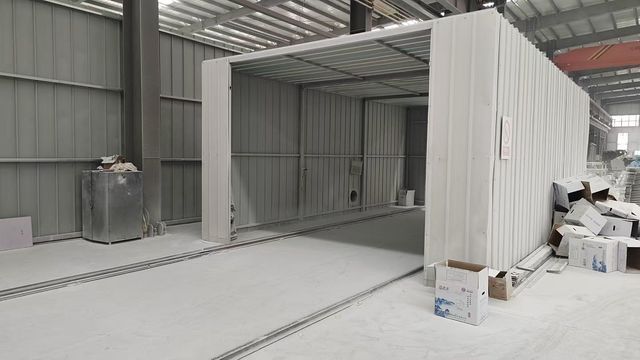
To assure a design lifetime exceeding 50 years in severe atmospheres, all fabricated elements undergo hot-dip galvanization conforming to BS EN ISO 1461 and ASTM A123 standards. Our average zinc coating thickness ranges between 85μm to 120μm, ensuring a self-healing cathodic layer that protects internal steel from galvanic corrosion.
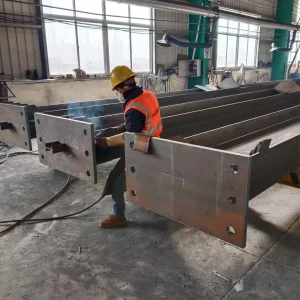
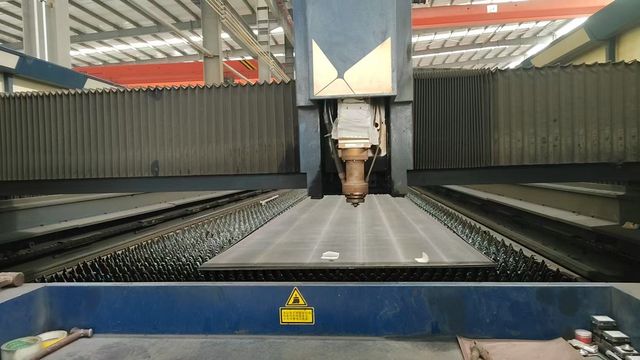
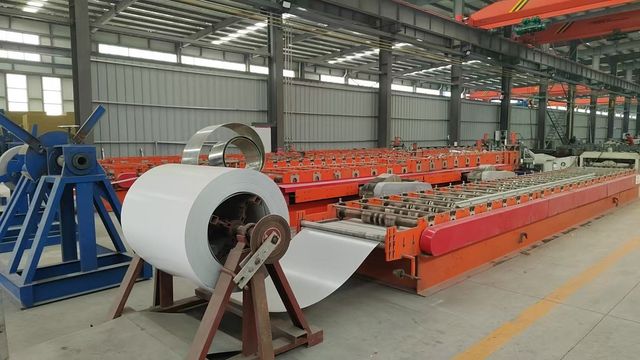
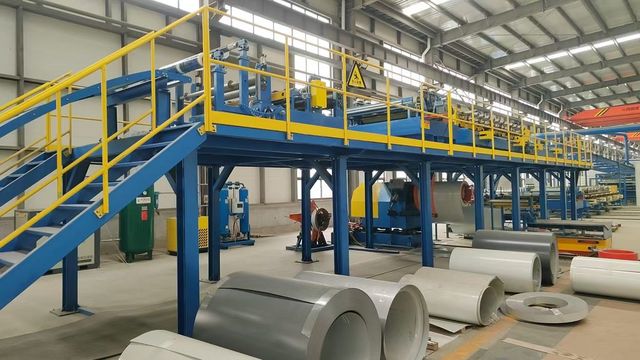
Located in Hangzhou, China, our manufacturing plant leverages digitized production lines to achieve extreme dimensional accuracy. By utilizing Tekla Structures for 3D BIM modeling, we export numeric control data directly to our CNC cutting and drilling workstations. This minimizes manual errors and ensures fast assembly at final job sites.
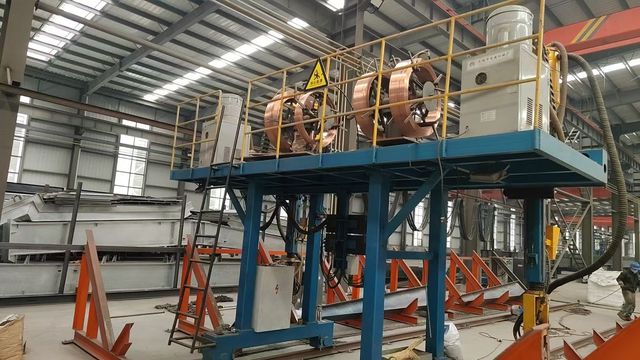
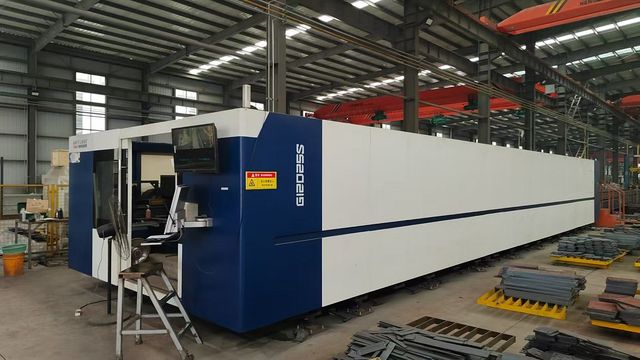
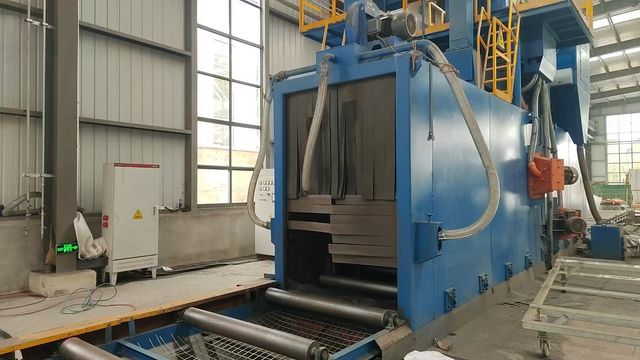
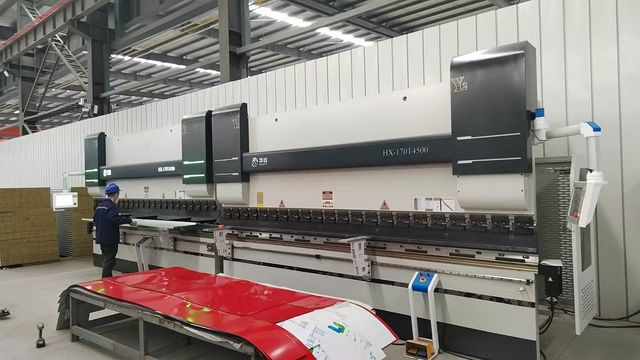
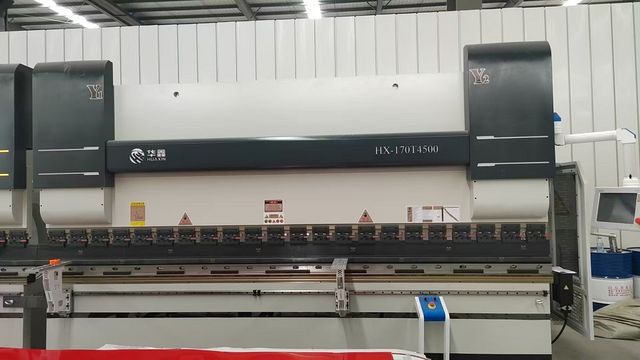
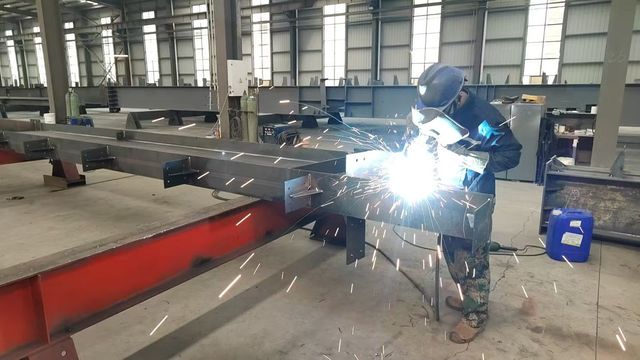
Our Factory 4.0 infrastructure focuses on three core metrics: Precision (utilizing advanced high-speed CNC centers like the FT800 machining series to tap connection plates), Traceability (every steel component is barcoded from receipt of raw plate to final galvanization), and Welding Excellence (certified by AWS D1.1 and EN ISO 3834 standards, with 100% Ultrasonic Testing of critical butt joints).
Navigating global supply chain volatility is a critical priority for infrastructure projects. Hangzhou PYO Homes Co., Ltd. has established long-term strategic relationships with tier-one domestic steel mills (such as Baosteel and Ansteel). This guarantees raw material access even during periods of heavy market restrictions.
Our proximity to Ningbo and Shanghai ports permits efficient container and bulk cargo logistics. For oversized components, our shipping design experts optimize layout volumes so that columns, trusses, and base station assemblies pack efficiently into 40ft High Cube containers. This reduces ocean freight costs and keeps delivery times within predictable parameters.
Telecom infrastructure must adjust to diverse environments. From rural deserts to heavy industrial logistics zones, the structural design must meet specific challenges.
For operations near oceans, coastal base stations face high humidity and chloride exposure. We supply C5-corrosion-class protected structures, adding epoxy-based topcoats over hot-dip galvanized steel to extend maintenance-free operations to 30+ years.
For base stations on rugged peaks, foundations are challenging. We design lightweight, high-yield steel frames that distribute stress effectively. This reduces the concrete footprint and speeds up manual assembly on remote slopes.
Urban sites require low visual impact and compact footprints. Our smart poles and aesthetic monopoles carry 4G/5G antennas, fiber distributors, street lighting, and environmental monitors on a single footprint.
At Hangzhou PYO Homes Co., Ltd., quality control spans every stage of manufacturing. Once the structural elements are cut and welded, we conduct test assemblies to verify verticality and connection alignment before shipping.

 PYO Homes