Explore our core engineering catalog, featuring heavy-duty portal frames, prefabricated distribution hubs, processing machinery foundations, and specialized recycling center enclosures.
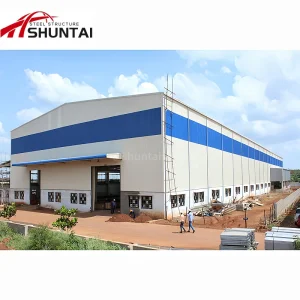
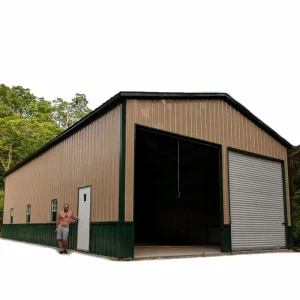
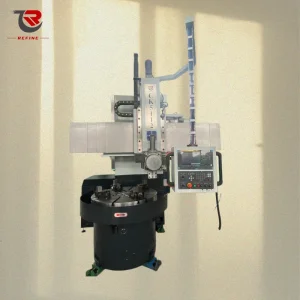
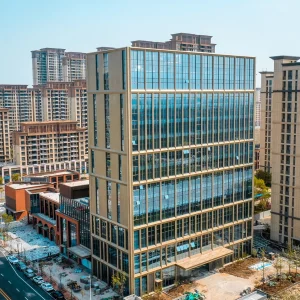
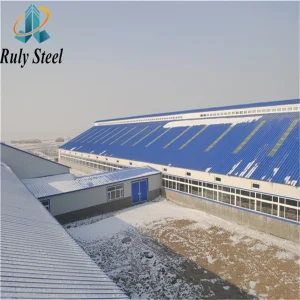
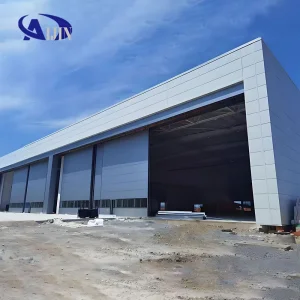
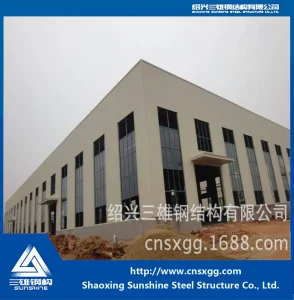
As heavy industries migrate toward carbon neutrality, the design and structural execution of scrap processing, metal separation, and material recovery facilities require next-generation engineering. Standard warehouses fail to survive the relentless dynamic loads, corrosive chemical environments, and heavy crane operations characteristic of modern recycling facilities.
We deliver structural systems designed from the ground up to match custom machinery footprints, high-clearance sorting systems, and heavy-duty overhead crane specifications. From initial CAD modeling to Finite Element Analysis (FEA), our pre-engineered steel buildings guarantee code compliance, structural efficiency, and physical durability.
Recycling and scrap treatment environments subject structures to continuous vibration, high humidity, airborne particulates, and corrosive runoffs. Our engineering team utilizes advanced protective coatings, including hot-dip galvanization, multi-layered epoxy primers, and polyurethane finishes to prevent structural rust and chemical degradation.
The global push for decarbonization and ESG compliance has placed steel, copper, and general metal recycling centers at the forefront of industrial growth. Sustainable industrial operations require structures that can withstand intense operational wear while offering modular flexibility.
Nations are localizing metal collection and processing to secure supply lines. High-capacity modular steel processing plants are key components of this strategy, enabling efficient processing of industrial scrap and end-of-life electronics.
Secondary steel production utilizes electric arc furnaces (EAF) powered by recycled scrap, saving up to 75% energy compared to blast furnace routes. Modern recycling infrastructure requires massive, open-span bays to house high-speed shredders and optical sorters.
Heavy duty shredding equipment and crane machinery impose heavy dynamic and harmonic forces on buildings. Our engineering integrates robust column systems, crane runways, and isolated concrete-to-steel foundation tie-ins to absorb these forces safely.
Every material processing facility operates differently. We offer a comprehensive suite of structural systems tailored to the exact sorting machinery layout, heavy-duty logistics flow, and material storage requirements.
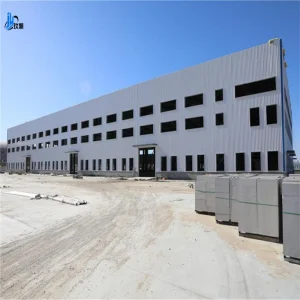
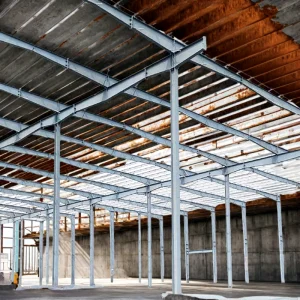
For sorting halls, storage sheds, and logistics centers, unobstructed floor space is essential. Our light and heavy portal frame designs utilize tapered web H-sections to provide clear spans of up to 50 meters or more. This allows wheel loaders, excavators, and dump trucks to move freely without column collision risks.
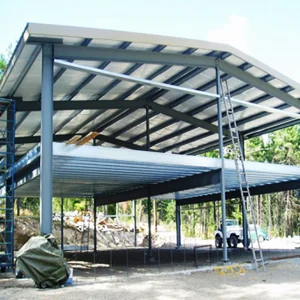
For operations combining sorting, processing, and executive administration within a single footprint, our multi-story hybrid solutions use composite metal decks and structural framing to separate dirty processing zones from clean offices.
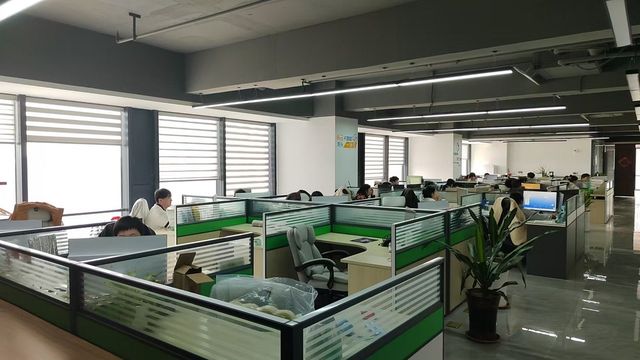
Established in 2011 in Hangzhou, China, Hangzhou PYO Homes Co., Ltd. is a modern, technology-oriented enterprise specializing in the engineering, fabrication, and global export of high-performance prefabricated steel structures. Originally a regional supplier of light steel framing components, we have grown into a globally trusted partner for industrial plant, commercial facility, and agricultural building construction.
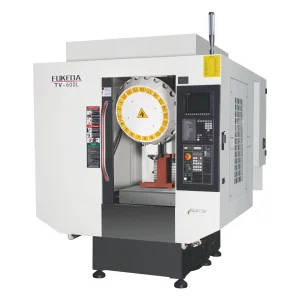
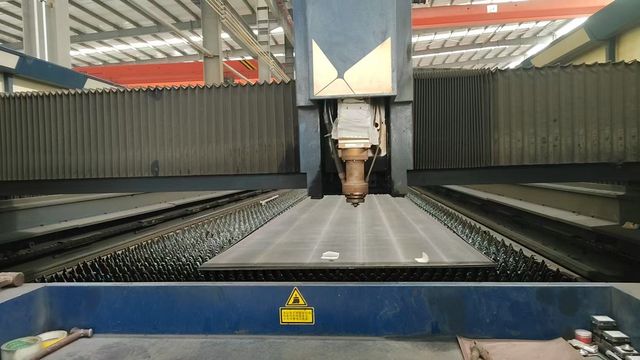
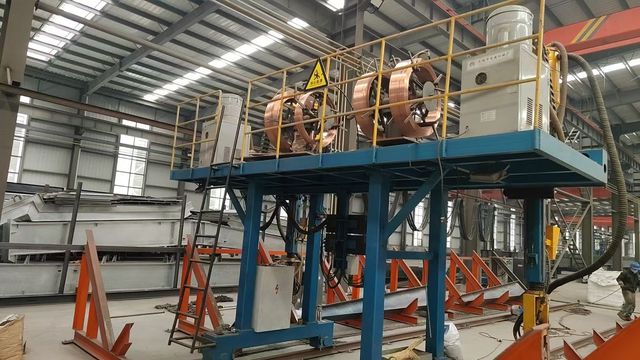
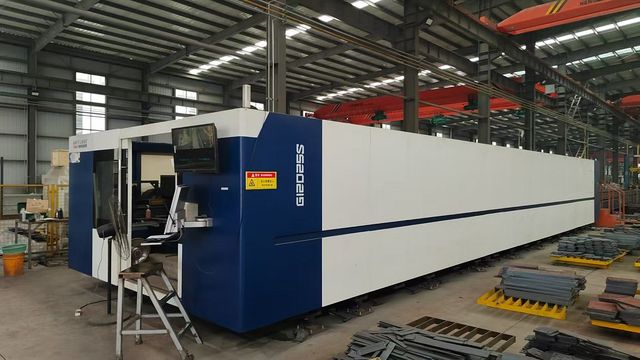
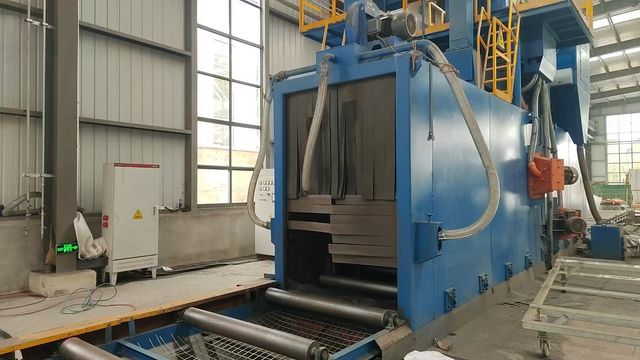
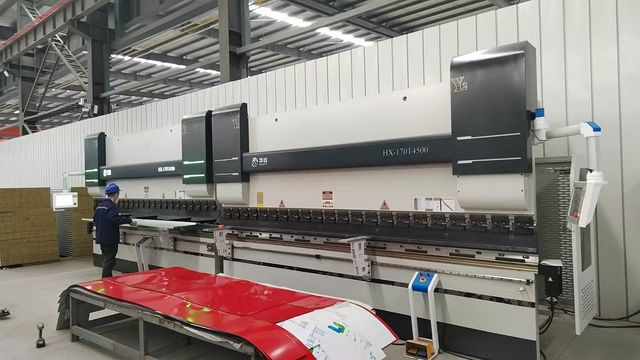
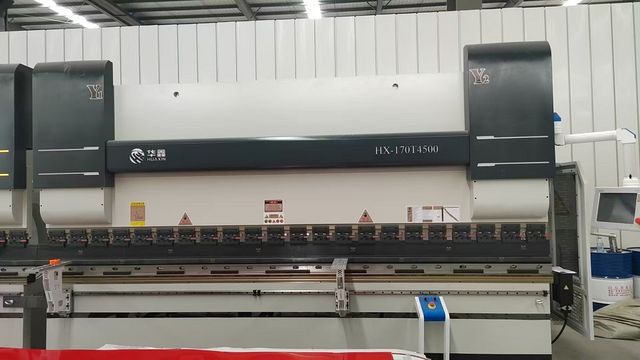
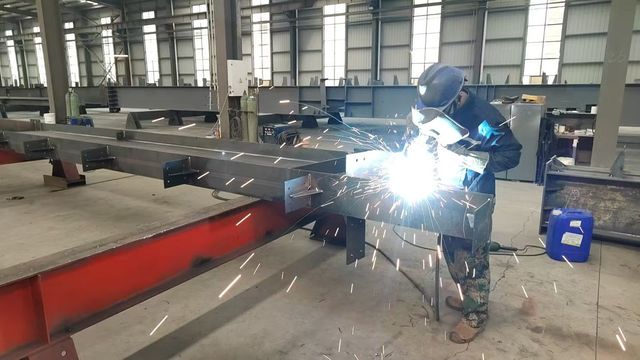
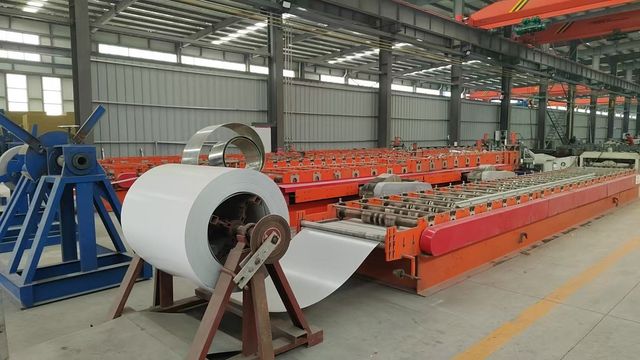
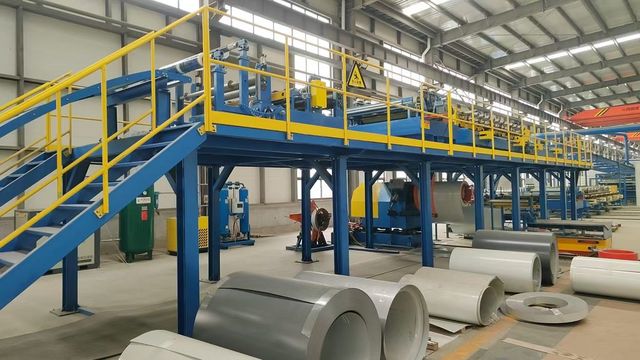
With over a decade of dedication to international engineering standards, PYO Homes designs and fabricates industrial warehouses, modular logistics centers, aircraft hangars, waste treatment facilities, and custom manufacturing plants. We utilize advanced production machinery—including high-precision CNC cutting tables, automatic submerged arc welding systems, and multi-angle drilling and tapping machines—to deliver mill-grade accuracy across all components.
Our structures serve key markets in Asia, the Middle East, Africa, and South America. We prioritize structural safety, seismic resistance, and long-term durability. By managing every phase of production, from initial structural optimization and material selection to global logistics and installation support, we ensure our clients receive robust, cost-effective building envelopes that stand the test of time.
Navigating local building regulations is one of the most critical aspects of global project delivery. At Hangzhou PYO Homes, we prioritize structural alignment with local environmental variables (such as wind loads, seismic activity, and snow weights) and international structural codes.
Our engineering team works fluently with international building codes, including the AISC (American Institute of Steel Construction), Eurocode 3 (Design of steel structures), and GB50017 (Chinese National Standard). This ensures smooth permitting and approvals from municipal authorities.
We analyze historical weather and geological data for each site location. If your facility is located in a high-wind coastal zone, a sub-zero northern climate, or a seismically active area, we adjust beam gauges, cross-bracing schedules, and foundation anchors accordingly.
For recycling plants handling wet municipal waste, mining slag, or organic compost, we design specific structural paint systems (C3 to C5 corrosive classes) using hot-dip galvanization (ISO 1461) and zinc-rich epoxy paint coatings.
Steel recycling systems operate differently based on geography, local municipal practices, and land availability. Here is how PYO Homes designs steel structures for localized application scenarios:
In municipal regions where real estate is at a premium, recycling structures must optimize vertical space. PYO Homes offers multi-story structural steel frame workshops that house high-speed sorting decks, automated optical sorting stations, and overhead baler systems, all while maintaining a minimal ground footprint. Sound barriers and insulated sandwich panels (PU/Rockwool) are integrated into the walls to comply with urban noise ordinances.
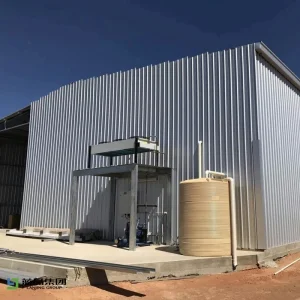
For vast rural collection centers, cost-effectiveness is key. We deploy light-gauge, pre-engineered portal frames with open sides or simple sheet cladding. These structures protect expensive shredding and compacting equipment from weather damage without the cost of fully closed facilities. These buildings can be erected in weeks using simple bolted connections, keeping local labor requirements minimal.
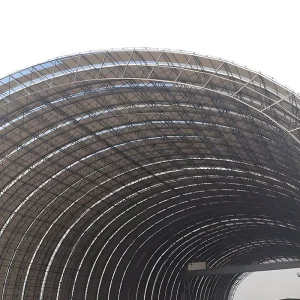
In high-tonnage mining and smelting sites, structures must tolerate extreme heat, heavy vibration, and overhead crane handling. PYO Homes designs buildings with heavy H-beams, high-strength lateral bracing, and built-in crane rails capable of holding 10 to 50-ton cranes. Specialized steel roof trusses are designed to support ventilation hoods and dust extraction filtration systems.
Exporting raw scrap metals requires dockside storage structures exposed to high saltwater corrosion and hurricane-force winds. We configure these marine buildings with hot-dip galvanized steel framing and premium PVDF coated cladding panels to prevent rust, along with wind-resistant portal frames engineered to withstand regional gale winds.
The industrial construction sector is evolving rapidly. We are continually updating our manufacturing processes to meet the demands of tomorrow. Here is our strategic roadmap:
We are actively increasing the use of structural steel produced from low-emission, electric arc furnace (EAF) mills. This allows us to offer our clients certified low-carbon building structures that contribute toward corporate ESG goals and LEED certifications.
We are introducing RFID and QR code tracking to every manufactured beam. Upon arrival at the construction site, local build crews scan the codes to immediately access 3D BIM assembly drawings, reducing installation time and errors.
Our engineering software uses generative algorithms to find the ideal strength-to-weight ratio for complex industrial layouts. This reduces raw material usage, saves shipping weight, and lowers overall project costs without compromising structural safety.
Our pre-engineered steel buildings are designed for a service life of at least 50 years under standard operating conditions. By using hot-dip galvanization and high-quality multi-layer paint coatings, we ensure the structural frame remains protected against corrosion, impact, and fatigue.
Yes. Through our OEM/ODM design services, our engineering team works directly with your equipment manufacturer's CAD drawings to design the building around the machines. We ensure proper clearances for shredders, balers, conveyor belts, and overhead crane rails.
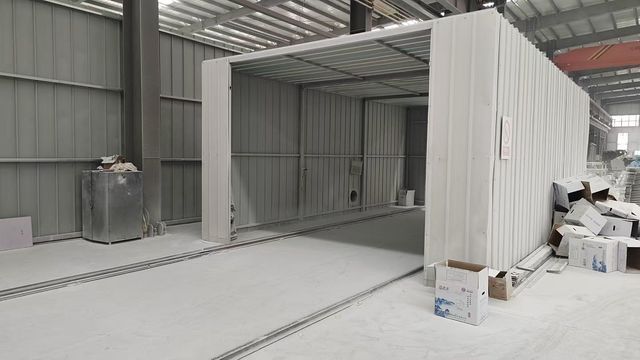
All structural elements are fabricated, cut, welded, and painted at our factory in China, then carefully loaded into standard shipping containers (OT - Open Top or GP - General Purpose) or flat racks. We bundle parts to prevent movement and paint damage during sea freight, ensuring clean assembly on site.
We regularly design according to the American Institute of Steel Construction (AISC) standards, Eurocodes (EN 1993), and the Chinese national steel structure design code (GB50017). We can provide calculated load profiles to help your local engineers secure construction permits.
We isolate vibrating machinery (like scrap shearers and heavy shredders) from the main building frame. The machinery is typically mounted on separate concrete foundation blocks with vibration-damping pads, while the steel building frame is engineered to absorb residual dynamic and harmonic loads.
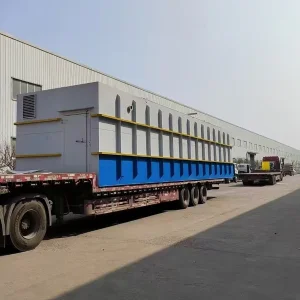
Our additional industrial catalog features heavy-duty waste treatment buildings, wastewater processing facilities, specialized agriculture barns, and high-precision machinery components.
 PYO Homes