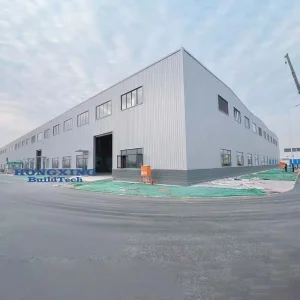
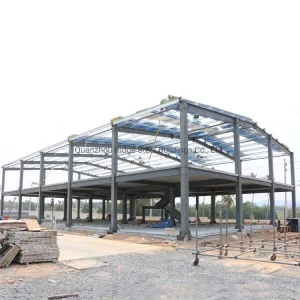
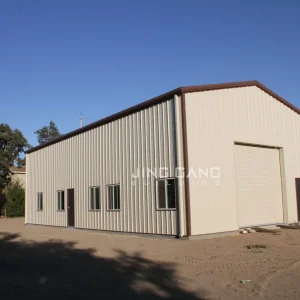
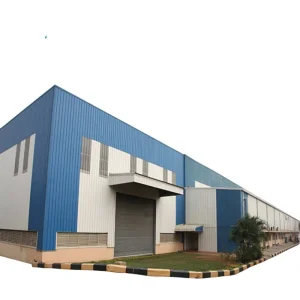
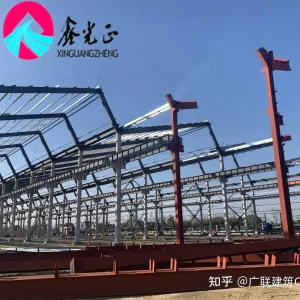
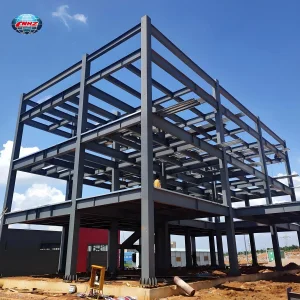
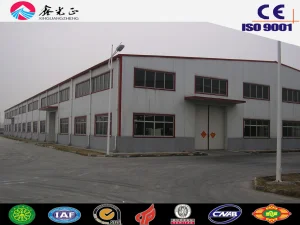
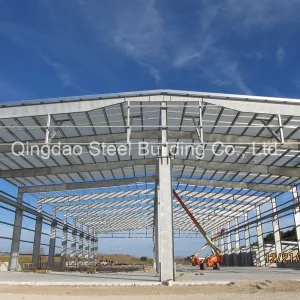
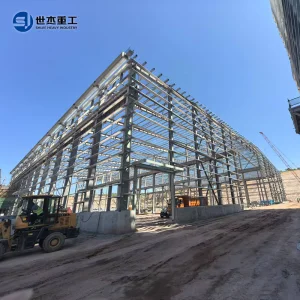
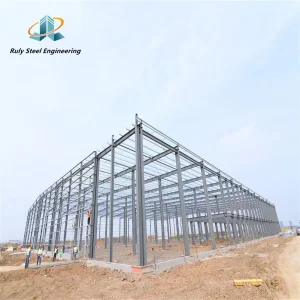
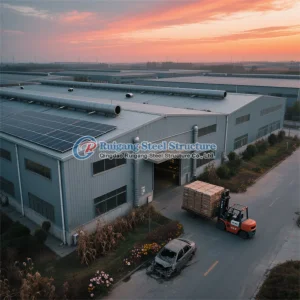
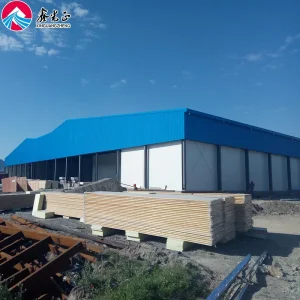
In an era of rapid industrialization and global supply chain shifts, the demand for CE Certified Steel Structure Workshop Facilities has never been higher. As a seasoned expert in industrial infrastructure, I observe that the market is moving decisively toward "Smart Pre-Engineering." Clients are no longer just looking for a building; they are looking for a structural solution that integrates speed, sustainability, and seismic compliance.
The global construction sector is currently grappling with the "Triple Challenge": meeting tightening local environmental regulations, reducing project timelines, and ensuring the structural longevity of facilities in varied climatic conditions. Hangzhou PYO Homes Co., Ltd. addresses these challenges by applying rigorous international quality control standards, ensuring that every project, whether in Southeast Asia or the Middle East, meets the same high bar as domestic projects in industrialized markets.
Procuring steel structure facilities requires a deep understanding of E-E-A-T principles. It is not merely about price; it is about risk mitigation. Buyers typically prioritize three pillars: Engineering Verification, Material Certifications (such as Q235/Q345 steel standards), and Installation Efficiency.
Our experience shows that successful procurement strategies involve a partnership model. When engaging with suppliers, buyers should look for providers who offer full-lifecycle support—from 3D structural modeling and site preparation analysis to the final handover. The industry is currently shifting away from opaque, low-bidder models toward value-driven partnerships where Technical Feasibility Reports and Transparent Supply Chain Mapping are standard.
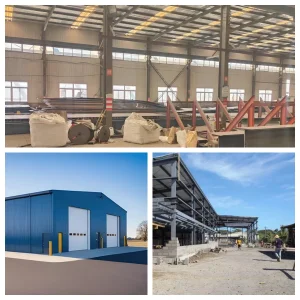
Modern steel workshop construction is a high-tech endeavor. We are witnessing the dominance of several key technologies:
Compliance is the cornerstone of trust. A "CE Certified" label on our structural facilities isn't just a marketing badge; it is an assurance of structural safety, material traceability, and manufacturing precision. As experts in the field, we ensure our designs align with local building codes, whether it be ASTM, Eurocodes, or local seismic standards. Understanding that every region has unique climate challenges—be it heavy snow loads in colder regions or high wind resistance requirements for tropical zones—is part of our fundamental engineering approach.
Q: Why is CE certification critical for international steel structure projects?
A: CE certification mandates a rigorous production control system. It ensures that the steel components you receive are not only structurally sound but also fully compliant with European Union safety, health, and environmental protection requirements, which are recognized globally as the gold standard for construction materials.
Q: How does pre-engineered steel construction reduce project timelines?
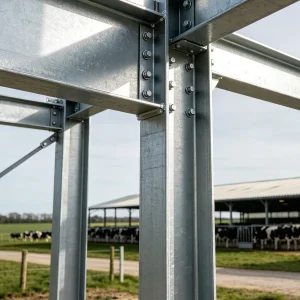
A: By shifting fabrication from the construction site to a controlled factory environment (Pre-Engineered Building/PEB concept), we eliminate weather-related delays and human error. Components are designed to be bolted together, significantly reducing the "on-site" assembly phase.
Q: Can these facilities be expanded in the future?
A: Absolutely. Our modular design philosophy is built with "Expansion Readiness" in mind. Future-proofing your facility is standard practice in our design phase, allowing for easy expansion as your business grows.
 PYO Homes