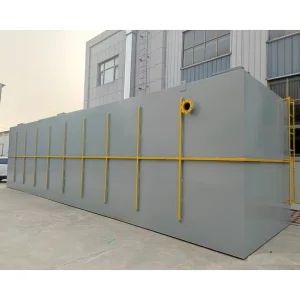
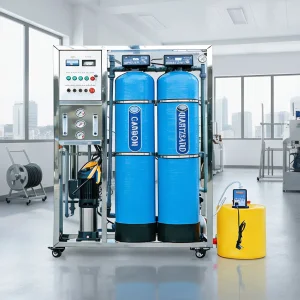
Explore our heavy-duty industrial structural plants designed to stand up to Latvia's coastal climates and harsh winter demands.
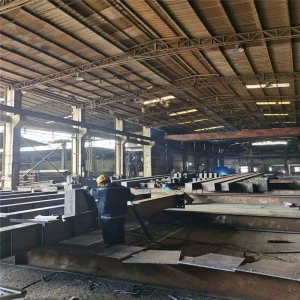
Latvia, strategically situated as a central transit hub in the Baltic region, is undergoing a rapid industrial and commercial transformation. With major logistical arterial routes connecting Scandinavia, Western Europe, and Eastern markets, cities such as Riga, Liepāja, and Ventspils are seeing massive demand for heavy-duty industrial warehouses, manufacturing facilities, and chemical processing complexes.
The local Baltic environment demands structures engineered to meet Eurocode 3 standards. These must withstand complex variables, including heavy coastal snow accumulation, maritime corrosion, and wind load challenges near the Baltic Sea.
Our prefabricated heavy-duty industrial plants deliver high structural integrity, using hot-dip galvanized and custom-finished coatings designed specifically for long-term corrosion prevention. This guarantees that your investments remain structurally sound and maintenance-free for decades.
Globally, the construction of heavy-duty industrial plants is rapidly transitioning towards modular pre-engineered buildings (PEBs). Traditional on-site fabrication is increasingly replaced by prefabricated off-site manufacturing due to its efficiency, waste minimization, and quality assurance.
Modern developers prioritize fast assembly cycles, lower lifetime structural maintenance, and seismic resilience. As international logistics and supply chains integrate, manufacturers must ensure their products align with global environmental declarations and international building standards.
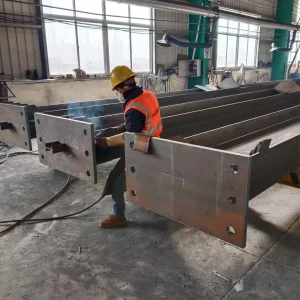
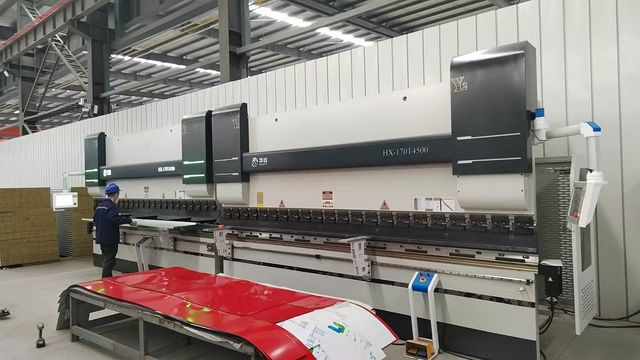
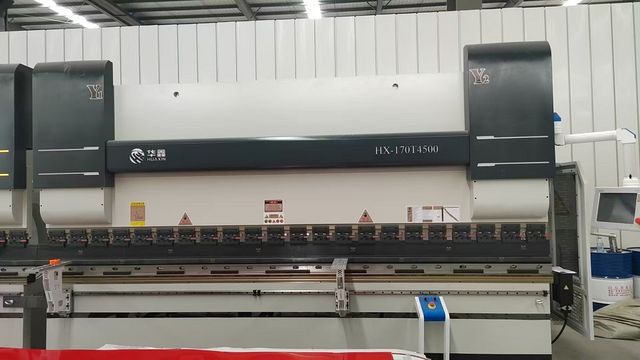
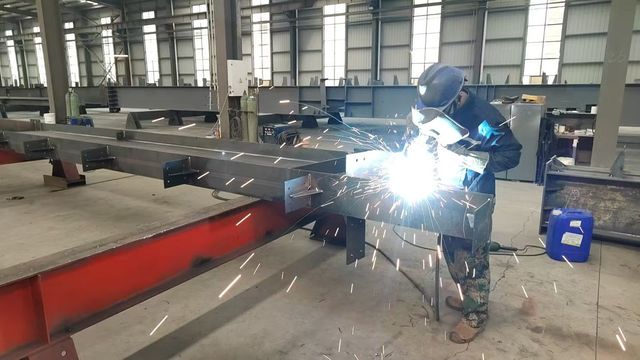
By utilizing advanced CNC processing, automated sub-arc welding, and predictive assembly analysis, we ensure that every column, beam, and connection flange fits precisely on-site, eliminating costly delays in assembly.
Year of Establishment
Annual Steel Tonnage Capacity
Eurocode Compliant Engineering
Structural Lifespan Design
Hangzhou PYO Homes Co., Ltd. is a modern and technology-oriented enterprise specializing in steel structure construction, positioned as a Steel Structure Building Manufacturer | Industrial Plant & Warehouse Construction Solutions provider. The company is dedicated to delivering high-performance, durable, and cost-efficient steel building systems for industrial plants, logistics warehouses, commercial facilities, and infrastructure projects worldwide.
Established in 2011 in Hangzhou, China, PYO Homes began as a regional supplier of light steel framing components. With the rapid growth of industrial construction and demand for faster, more efficient building methods, the company expanded into full-scale steel structure engineering and manufacturing. By 2016, PYO Homes had developed comprehensive capabilities covering design, fabrication, and installation of pre-engineered steel buildings.
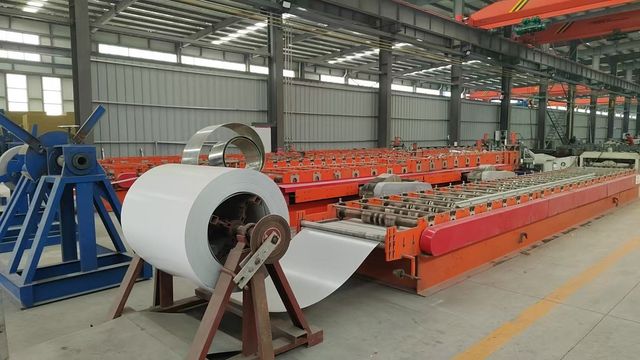
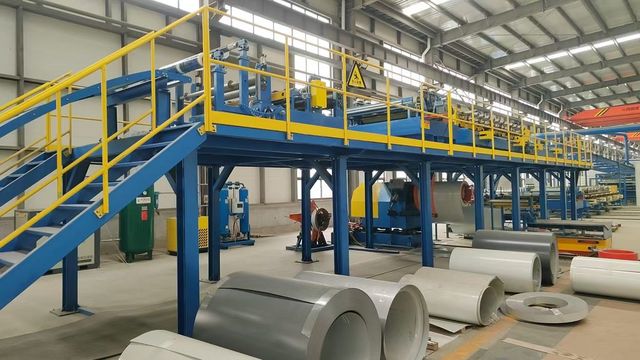
Through continuous investment in advanced machinery such as CNC cutting, automated welding lines, and precision forming equipment, the company ensures strict quality control and high production efficiency. Its product range includes steel frame workshops, large-span warehouses, multi-story industrial plants, and customized structural solutions tailored to client specifications.
Today, Hangzhou PYO Homes Co., Ltd. serves clients across Asia, the Middle East, Africa, and South America. With a strong focus on innovation, structural safety, and sustainable construction practices, the company continues to provide reliable steel structure building solutions that meet the evolving needs of global industrial development.
We leverage modern design suites, including Tekla Structures, AutoCAD, and SAP2000, to perform rigorous stress and deflection simulations. This allows us to provide customized solutions that meet local wind, snow, and seismic load parameters in Latvia and northern Europe.
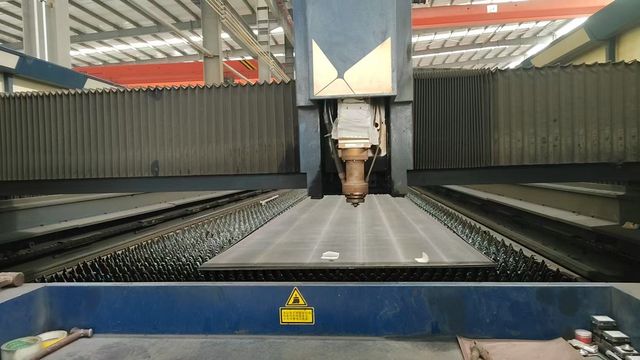
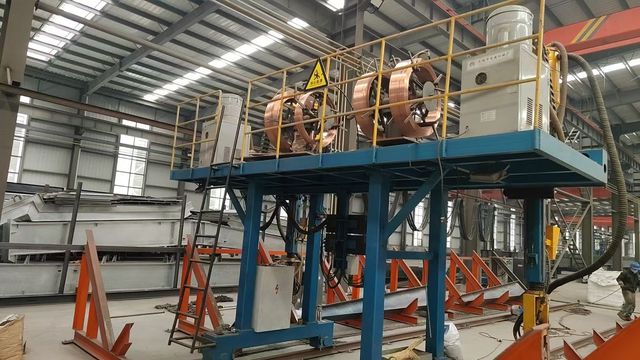
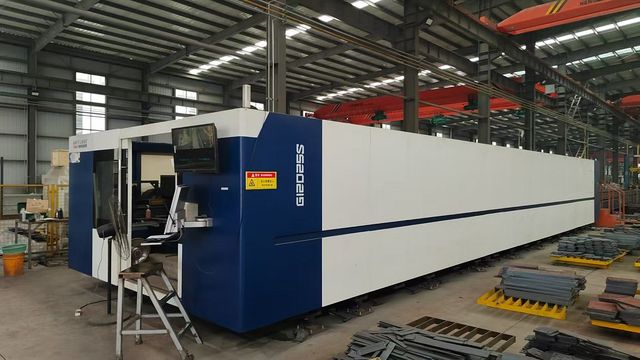
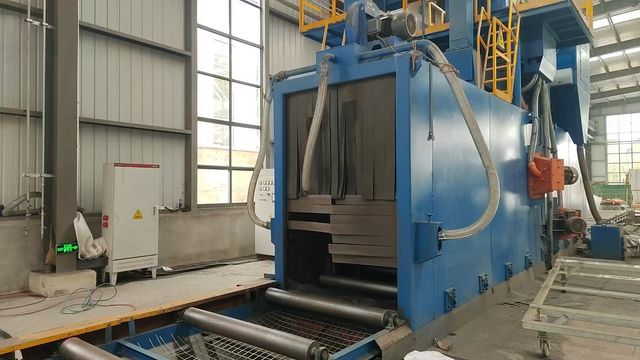
A data-backed comparison showing how PYO Homes' prefabricated structural steel solutions outperform standard traditional construction methods.
| Feature Parameter | PYO Heavy Duty PEB Steel Systems | Traditional Concrete / Masonry Construction |
|---|---|---|
| Structural Weight | Optimized light-weight structural configurations reducing foundation loads by 30-40% | Heavy concrete load configurations requiring deep, expensive pile foundation designs |
| Erection Timeline | Prefabricated assembly on-site; up to 50% faster installation cycles | Lengthy curing times, weather-dependent masonry work, intensive on-site labor requirements |
| Corrosion Resistance | Hot-dip galvanization (ISO 1461) + epoxy midcoat/polyurethane finish for Baltic C4/C5 areas | Vulnerable to rebar carbonization, salt mist infiltration, and concrete cracking |
| Seismic & Wind Resistance | Ductile structural steel frames designed for wind speeds up to 150 km/h | Brittle behavior under extreme seismic loads without costly reinforced frames |
| Sustainability & Recycle | 100% recyclable structural steel, lower carbon footprint at end-of-life | High waste generation, non-recyclable structural masonry debris |
Ensuring specialized structural and engineering configurations that support Baltic regional industries.
Latvia's ice-free ports (Riga, Ventspils, Liepāja) handle significant coal, fertilizer, and agricultural products. Heavy steel storage hangars, bulk terminals, and conveyor supports must withstand both corrosive marine atmospheres and mechanical impacts from heavy machinery.
Forestry represents a cornerstone of Latvia's economy. High-span, column-free prefabricated workshops are essential to house massive sawmills, wood pellet processing machinery, and covered drying zones, protecting raw timber from sub-zero humidity.
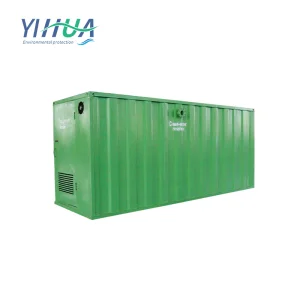
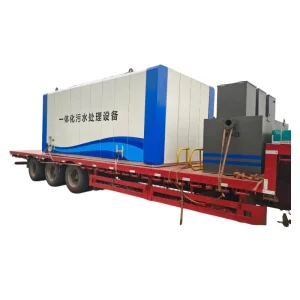
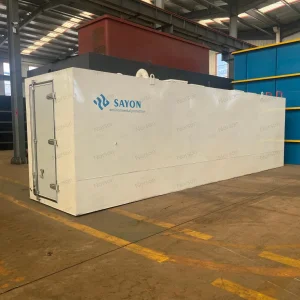
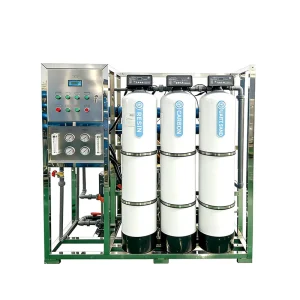
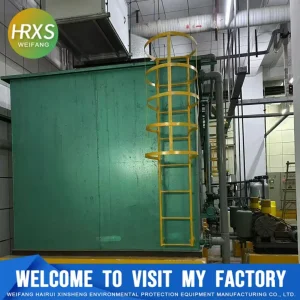
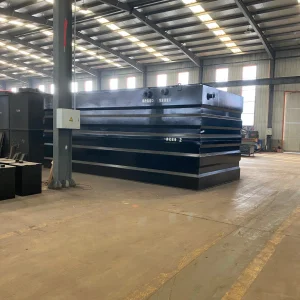
Under strict EU environmental regulations, municipalities and chemical processors in Latvia must modernize sewage treatment systems. Prefabricated containerized and underground stainless steel water purification plants provide fast deployment with low carbon output.
Driven by the Rail Baltica corridor, there is an urgent demand for logistics complexes. Heavy-duty pre-engineered steel columns and trusses provide the load-bearing strength needed to support high-bay racking systems and overhead cranes.
How we are preparing for the future of industrial fabrication through AI structural layout, green steel integration, and low-waste prefabricated solutions.
Using machine learning to analyze local wind and snow loads, our design engine creates the lightest possible structural layouts that meet safety standards, saving up to 15% in material costs.
We are expanding the sourcing of electric arc furnace (EAF) steel, backed by Environmental Product Declarations (EPD) to support our Baltic clients in meeting carbon emission standards.
By shifting to 3D robotic welding, we achieve structural tolerances under 1.5mm, ensuring fast and smooth installation during cold weather in Latvia.
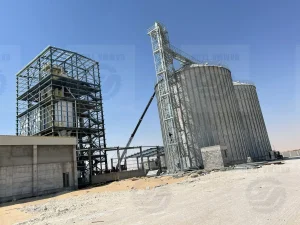
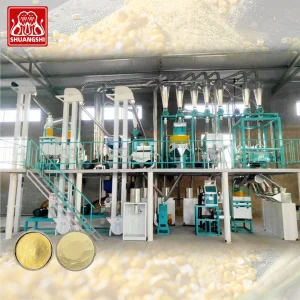
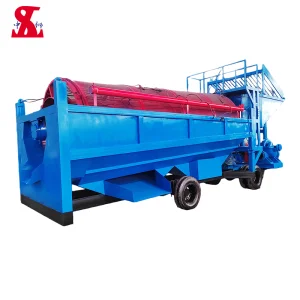
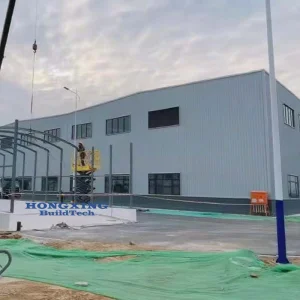
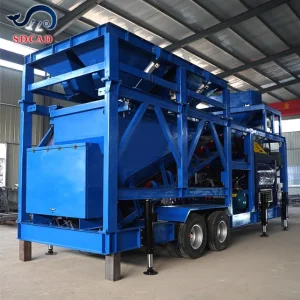
Explore our wider range of high-performance water treatment systems, concrete batching plants, and processing equipment customized for industrial sites across Latvia.
Get answers to common engineering, logistics, and compliance questions when purchasing heavy-duty steel buildings for the Baltic region.
Our engineering team designs structures according to Eurocode 3 standards (EN 1993 for steel structures) and EN 1090 requirements. We provide full mill certificates, welding procedure specifications (WPS), and non-destructive testing reports. This simplifies structural verification for local building inspectors in Latvia.
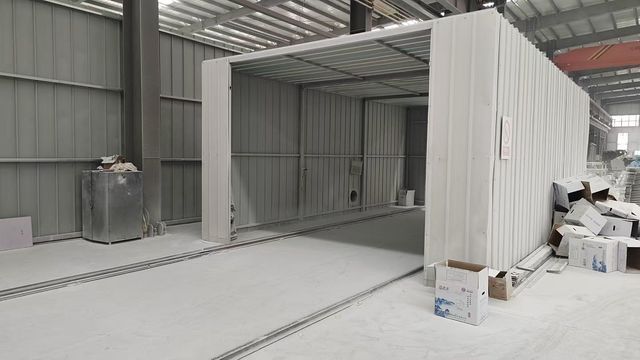
For coastal areas like Ventspils and Liepāja, we recommend hot-dip galvanization according to ISO 1461 standards, yielding zinc coating thicknesses greater than 85μm. For heavy industrial use, we apply a multi-layer system that includes a zinc-rich epoxy primer, an epoxy micaceous iron oxide intermediate coat, and a polyurethane topcoat to achieve ISO 12944 C4 or C5 corrosion ratings.
We model local snow accumulation patterns according to the LVS EN 1991-1-3 Latvian National Annex. This determines the required rafter slopes and purlin spacing to safely prevent drift load accumulation. In addition, we utilize cold-resistant structural steel grades like S355JR or S355J2, which retain impact strength at low winter temperatures.
Fabrication typically takes 45 to 60 days, depending on project scale and complexity. Materials are packed into open-top or standard 40ft containers to prevent damage during transit. Ocean shipping from Shanghai or Ningbo to the Port of Riga generally takes between 35 and 45 days, and we coordinate full customs documentation to support import clearance.
Yes. We supply 3D assembly models, detailed structural drawings, and installation guides. For larger projects, we can send field service engineers to help guide local contractors. This ensures correct torque tightening on structural bolts and precise alignment of all components.
 PYO Homes